How to Prune Arctic alpine fleabane?
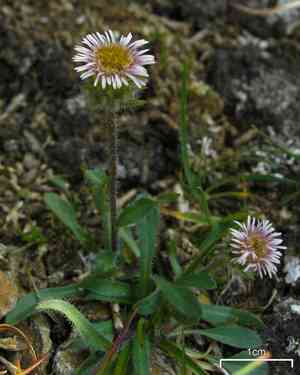
Arctic alpine fleabane, recognized for its daisy-like blossoms and compact stature, flourishes optimally when pruned in early spring or late winter. Eliminate any deceased or compromised stalks, and thin out congested development to enhance airflow and mitigate the potential for disease. Consistent trimming fosters more robust flowering and a more vibrant appearance. Verify that all cuts are precise and positioned close to a bud to avert stem dieback. Always employ disinfected implements to lessen the chance of infection.
What Are the Benefits of Pruning Arctic Alpine Fleabane?
What Are the Benefits of Pruning Arctic Alpine Fleabane?
Trimming arctic alpine fleabane encourages robust development by eliminating dead or diseased sections, maintains its form, and boosts overall plant vitality. Furthermore, it aids the plant in resisting pests and illnesses, ensuring its thriving in its distinct habitat.
What Is the Best Time for Pruning Arctic Alpine Fleabane?
What Is the Best Time for Pruning Arctic Alpine Fleabane?
Trimming in early spring or late winter is optimal for arctic alpine fleabane as this period aligns with its inactive phase. During dormancy, the plant is not actively growing, which reduces stress and fosters healthier regrowth. Additionally, pruning before the growing season starts allows arctic alpine fleabane to direct its energy into producing strong new growth and abundant blooms. This timing also lowers the chance of disease and pest infestation, as pruning wounds have ample time to heal before the warm and potentially wet periods of spring and summer.
What Tools Do I Need to Prune Arctic Alpine Fleabane?
Hand Pruners
Excellent for precise cuts on arctic alpine fleabane, particularly useful for removing faded flowers or dead stems. Their compact size allows for easy access to the plant's base without causing harm.
Snips or Scissors
Ideal for detailed trimming and deadheading to encourage healthy growth. Utilize these tools to make clean, sharp cuts to prevent damage to the delicate stems of arctic alpine fleabane.
Bypass Pruners
Beneficial for slightly thicker stems, ensuring a clean cut which helps prevent disease and promotes healing. The bypass type is preferred because it operates like scissors and is less likely to crush the stems.
How to Prune Arctic Alpine Fleabane
Inspect
Carefully examine arctic alpine fleabane for any diseased or withered leaves, noting their positions on the plant.
Tools
Gather and sanitize pruning implements such as sharp scissors or pruning shears to prevent the spread of pathogens.
Remove diseased
Cut off any diseased leaves first by trimming back to healthy tissue or to the stem's base if necessary; discard these leaves away from the plant to avoid contamination.
Remove withered
Trim away all withered leaves, cutting close to the main stem or at the start of a healthy leaf node; this will promote better airflow and reduce disease risk.
Dispose
Properly dispose of all pruned material to prevent the spread of disease, either by bagging and discarding or by composting according to local guidelines.
Common Pruning Mistakes with Arctic Alpine Fleabane
Improper technique
A common error is using dull or dirty tools, which can cause jagged cuts and encourage disease. Always ensure pruning tools are sharp and sterilized to make clean cuts.
Over-pruning
Another mistake is excessive pruning, which can stress arctic alpine fleabane and reduce its flowering potential. It's crucial to avoid removing too much foliage. Aim to trim only about one-third of the plant at a time.
Poor timing
Pruning at the wrong time (e.g., during periods of active growth) can hinder arctic alpine fleabane's development and delay blooming. Although season-specific advice is omitted here, being mindful of the plant's growth phases is crucial.
Ignoring dead or damaged parts
Failing to remove dead, damaged, or diseased parts can hinder arctic alpine fleabane's overall health. Regularly checking and removing these parts ensures better airflow and nutrient distribution throughout the plant.
Common Pruning Tips for Arctic Alpine Fleabane
Use clean, sharp tools
Always use clean and sharp pruning tools to ensure precise and healthy cuts, which minimize the risk of infection and promote quicker healing.
Prioritize deadheading
Regularly remove spent flowers to encourage continuous blooming and prevent the plant from expending energy on seed production.
Cut above a leaf node
When making cuts, always prune just above a leaf node or bud. This practice encourages new growth and helps maintain the plant's natural shape.
Assess plant structure
Before pruning, thoroughly assess arctic alpine fleabane's structure to identify crossing or crowded branches. Removing these can improve airflow and light penetration, promoting overall plant health.
Mulching
After pruning, consider applying a layer of mulch around the base to retain moisture, suppress weeds, and provide nutrients as it decomposes.



