How to Transplant Wandering daisy?
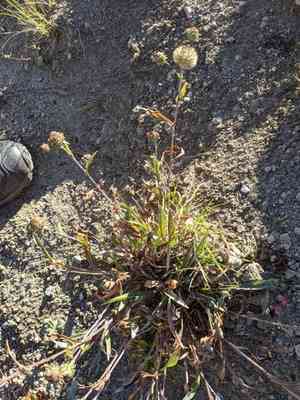
For wandering daisy, the prime period for relocation spans from the start of warmer weather to the middle of the growing season, facilitating superior root establishment. These plants flourish in soil that drains effectively and receives partial sun exposure. Sufficient hydration after transplanting guarantees a smooth adaptation.
Essential Preparations Before Relocating Wandering Daisy
Optimal Period for Moving Wandering Daisy?
The best time to move wandering daisy is during the spring, when nature begins its renewal. Transplanting wandering daisy in this revitalizing phase helps the plant settle well and prepare for strong growth. This takes advantage of mild temperatures and increased moisture, promoting robust root development. This strategic timing also provides the entire growing season for the plant to establish itself, leading to greater health and resilience. By choosing this window, you'll give wandering daisy the best start in its new spot, ensuring a vibrant display.
Recommended Spacing Between Wandering Daisy Plants?
When rehoming wandering daisy, aim for a comfortable distance of 12-18 inches (30-46 cm) between plants. This allows them ample room to thrive without competing for nutrients and light.
Ideal Soil Mixture for Wandering Daisy Transplanting?
Prepare a well-draining soil, rich in organic material, for wandering daisy. A generous blend enhanced with compost, or a balanced slow-release fertilizer, will provide wandering daisy with an excellent beginning.
Choosing a New Location for Your Wandering Daisy?
Select a sunny location for your wandering daisy where they can receive at least 6 hours of sunlight daily. If your garden experiences a mix of sun and shade, a spot with partial sun will also keep wandering daisy flourishing.
Tools Required Before Transplanting Wandering Daisy?
Gardening Gloves
To safeguard your hands while handling soil and the plant.
Spade or Shovel
For excavating wandering daisy from its original spot and preparing the new planting hole.
Garden Fork
To loosen the soil surrounding the plantâs root ball.
Watering Can or Hose
For hydrating wandering daisy before and after the transplanting process.
Pruning Shears
To trim any dead or excess growth prior to transplanting.
Wheelbarrow or Garden Cart
To transport wandering daisy and soil.
Measuring Tape
To ensure correct spacing between transplanted plants.
How to Extract Wandering Daisy from the Ground?
How to Extract Wandering Daisy from the Ground?
From Ground: Hydrate wandering daisy to moisten the soil. Dig a wide trench around the plant using a shovel or spade, keeping the root ball intact. Gently work the spade beneath the root ball to lift the plant.From Pot: Water wandering daisy, then turn the pot on its side and gently tap the edges to loosen the plant. Slide the root ball out, preserving the soil around the roots.From Seedling Tray: Water the seedling. Use a fork or your fingers to carefully lift wandering daisy from its compartment, ensuring minimal root disturbance.
Step-by-Step Guide for Relocating Wandering Daisy
Prepare New Site
At the new location, dig a hole twice as wide and roughly the same depth as the root ball of wandering daisy.
Inspect Roots
Examine the root ball for any signs of circling or damage and gently untangle compacted roots.
Position wandering daisy
Center wandering daisy in the hole, ensuring itâs at the same depth as it was previously.
Backfill Soil
Partially fill the hole with native soil and water thoroughly to settle the roots. Once water is absorbed, fill in the rest of the hole.
Stake If Necessary
For taller wandering daisy varieties, insert a stake to support the plant and ensure it remains upright.
Final Watering
Water wandering daisy again to moisten the soil, which helps reduce transplant shock.
Mulch
Apply a layer of mulch around the base of wandering daisy to retain moisture and regulate soil temperature.
Post-Transplant Care for Wandering Daisy
Initial Care
For the first few weeks, ensure wandering daisy receives adequate water to prevent stress while it establishes.
Mulching
Maintain the mulch layer to conserve moisture and suppress weeds.
Pruning
Remove any damaged or diseased foliage to direct wandering daisy's energy towards root development.
Monitoring
Watch for pests or signs of disease that might affect wandering daisy during its temporary vulnerability post-transplant.
Supporting
Check stakes and ties regularly to ensure they are effective and do not restrict growth.
Addressing Common Issues with Wandering Daisy Transplantation.
When is the best timeframe to transplant wandering daisy?
Transplant wandering daisy in the pleasantness of spring, ideally between early to late spring, for optimal establishment.
How far apart should I space wandering daisy when transplanting?
Allow wandering daisy ample room to spread, maintaining a gap of 12-18 inches (30-45 cm) to thrive.
Why are my transplanted wandering daisy's leaves wilting?
Wilting could indicate shock or insufficient water. Ensure soil moisture is consistent, especially after transplanting.
What soil conditions does wandering daisy prefer for transplanting?
Provide wandering daisy with well-draining soil, rich in organic matter; it dislikes soggy conditions.
Should I fertilize wandering daisy after transplanting?
Hold off on feeding wandering daisy. Allow the roots to settle for a few weeks, then use a balanced fertilizer sparingly.
How much sunlight does wandering daisy need post-transplant?
Guide wandering daisy towards success with a spot that provides full to partial sunlight throughout the day.
Can I transplant wandering daisy during the summer?
While feasible, summer transplanting carries risks. Prefer the recommended spring period to give wandering daisy a gentle start.
What should I do if wandering daisy isn't thriving after transplant?
Examine it closely! If distressed, check for proper sunlight, watering, and spacing. Sometimes patience is key.
How deep should I plant wandering daisy's roots in new soil?
Place wandering daisy's roots gently into a hole similar in depth to its previous space, avoiding any deeper placements.
Is there a particular method to water wandering daisy after transplanting?
Water wandering daisy with a gentle approach at the base, keeping the soil consistently moist but never waterlogged.



