Enhancing Your Garden Design with the Wandering daisy Plant: A Landscaping Guide
1
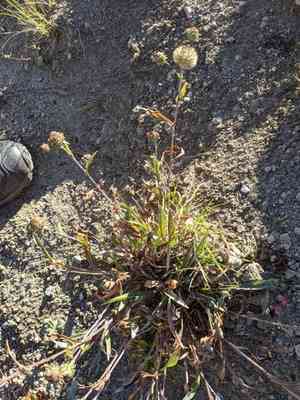
The wandering daisy is recognized for its distinct aesthetic charm, making it a prominent feature in any garden.
2
Wandering daisy offers practical advantages like minimal upkeep and robust resilience.
3
Strategic placement of the wandering daisy can establish striking centerpieces within your landscape architecture.
Appreciating the Visual Qualities of Wandering Daisy
Discovering the distinct aesthetic charm of Wandering daisy
Wandering daisy is notable for its delicate petals and vivid hues. Its visual appeal stems from the intricate design of its blossoms, which lend an elegant yet natural touch to any setting. The plant's form and abundant foliage offer a harmonious addition that enhances the visual dynamics of garden spaces.
Color schemes and blooming periods
Wandering daisy displays a beautiful spectrum of colors that transform with the seasons. During spring and summer, it flowers profusely, with each bloom showcasing a mix of shades ranging from soft pastels to deep, rich tones. This seasonal shift not only keeps the garden visually appealing but also ensures a dynamic landscape throughout the year.
Integrating Wandering daisy with other plants for contrast and balance
When incorporating Wandering daisy into your garden, consider pairing it with plants that provide contrasting textures and colors. For instance, it pairs well with taller, more rustic plants like ornamental grasses, which highlight its delicate structure. Additionally, the harmonious blend of Wandering daisy's vibrant flowers with the varied foliage of companion plants can create a balanced and visually attractive garden bed.
Practical Advantages of Including Wandering Daisy in Your Garden
Resilience and low-maintenance characteristics
One of Wandering daisy's prominent features is its hardiness. It flourishes in diverse soil types and withstands both dry and wet conditions, making it a robust choice for garden enthusiasts. Furthermore, Wandering daisy requires minimal upkeep, as it is relatively resistant to pests and diseases. A periodic trim and basic watering schedule are typically sufficient to keep it healthy and vibrant.
Wandering daisy's contribution to sustainable landscaping
Wandering daisy plays a significant role in fostering sustainable landscaping. Its ability to thrive with minimal water makes it an excellent option for xeriscaping – a landscaping approach that reduces the need for irrigation. Moreover, Wandering daisy helps prevent soil erosion and lessens reliance on chemical pesticides, contributing to a healthier, more sustainable garden environment.
Attracting wildlife: the ecological benefits
Wandering daisy is not only beneficial for the garden but also for the local ecosystem. Its colorful flowers attract pollinators like bees and butterflies, which are vital for environmental health. Additionally, Wandering daisy provides habitat and food for various beneficial insects and small wildlife, enhancing biodiversity in your garden.
Design Advice: Positioning Wandering Daisy for Maximum Impact
Optimal locations and conditions for planting Wandering daisy
To maximize Wandering daisy's potential in your landscape, selecting the right spot is crucial. Wandering daisy thrives best in areas receiving full to partial sunlight. Plant it in well-draining soil to prevent root rot, and consider elevation if your garden has varied topography. Areas along pathways, garden edges, or around water features are also excellent spots to plant Wandering daisy for visual appeal.
Creating focal points with Wandering daisy in landscape design
Utilize Wandering daisy to establish stunning focal points in your garden. Plant it in clusters to form concentrated bursts of color that capture attention. Placing Wandering daisy in strategic positions, such as the center of a flowerbed or near architectural elements like garden statues or pergolas, can elevate your landscape's overall aesthetic. Its vibrant flowers make it a natural centerpiece.
Integrating beauty and utility in your garden layout
When designing your garden with Wandering daisy, aim to combine aesthetics with practicality. Use Wandering daisy to fill gaps in garden borders or as ground cover to maintain a cohesive look. The plant's low-maintenance nature also means it can be placed in less accessible areas without requiring constant care. Balance it with hardscape elements like patios or stone pathways for a beautiful yet functional garden layout.
Maintaining Wandering Daisy in Your Garden: Key Recommendations
Fundamental tips for ensuring robust growth and flowering
To ensure Wandering daisy flourishes, follow some basic care guidelines. Water the plant regularly during dry periods, but avoid overwatering as it can lead to root rot. Deadhead spent flowers to encourage new blooms and maintain a neat appearance. Apply a balanced, slow-release fertilizer in spring to support its growth throughout the blooming season.
Seasonal care and preventative measures
Seasonal care is vital for Wandering daisy's health. In the fall, cut back the stems to prepare the plant for winter. Mulching around the base in colder climates can help protect roots from frost. During spring and summer, watch for any signs of pests or disease and take prompt action if needed. Regular pruning will promote a more prolific flowering season.



