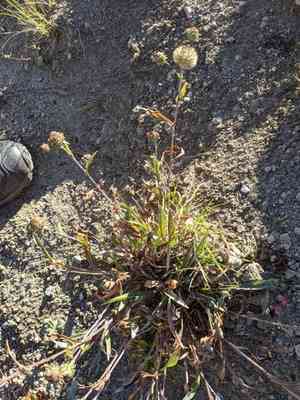
Wandering daisy (Erigeron glacialis)
Also known as: Subalpine Fleabane, Glacier Fleabane
The wandering daisy, a perennial flower native to the northwestern United States, likely earns its name from its ability to spread via underground rhizomes, creating the impression that it "wanders" across the landscape.
In This Article
Attributes of Wandering daisy
Lifespan
Perennial
Plant Type
Herb
Plant Height
70 cm
Spread
15 cm to 38 cm
Leaf Color
Green
Flower Size
2 cm to 4 cm
Flower Color
Yellow Purple
Images of Wandering daisy
Quickly Identify Wandering daisy
1
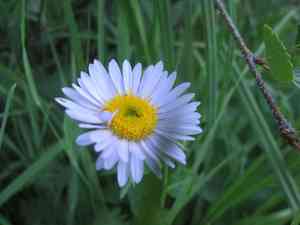
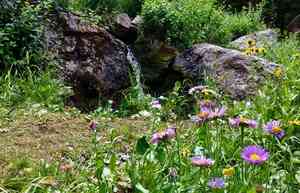
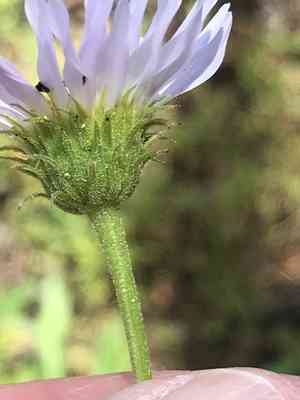
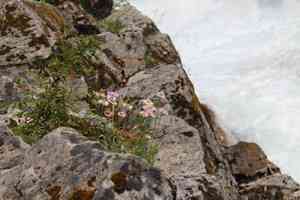
To identify Erigeron glacialis, look for daisy-like flowers with numerous white to lavender petals and a yellow center. The plant typically grows in clusters and has lance-shaped, green leaves. It is commonly found in rocky or alpine environments.
Scientific Classification of Wandering daisy
Phylum
Vascular plants
Class
Dicotyledons
Order
Asterales
Family
Daisy
Genus
Fleabanes
Species
Wandering daisy
Planting and Growing of Wandering daisy
Care Difficulty
Easy
Watering Schedule
Every 4 days
Sunlight Requirements
Full sun
Sunshine Duration
6-10 hours
Ideal Temperature
60-75℉
Soil Type
Potting Mix, Peat Mix
Soil pH
6.5-7.5
Fertilizer Type
Balanced
Pruning Season
Spring, Summer
Pruning Area
Branches, Leaves
Pruning Frequency
2 times a year
Repotting Season
Spring
Pot Type
Plastic, Ceramic
 How to Water Wandering daisy?
Erigeron glacialis appreciates a consistent but moderate watering regimen. It's important to water until the soil is moist but not waterlogged, typically about 250ml at a time, ensuring that the excess drains away, preventing root rot and promoting healthy growth.
What are the symptoms of an underwatered Wandering daisy?
›
What should I do if my Wandering daisy is not getting enough water?
›
What are the symptoms of an overwatered Wandering daisy?
›
How to save an overwatered Wandering daisy?
›
 What Are the Sunlight Requirements for Wandering daisy?
Erigeron glacialis' ideal light exposure ranges from full sun to partial sun. This range encourages vigorous growth, a strong plant architecture, and a maximal floral display, presenting its charming daisy-like florets.
How much light is ideal?
›
How to achieve optimal lighting conditions?
›
Benefits of ideal lighting conditions?
›
 What Is the Ideal Temperature Range for Wandering daisy?
Erigeron glacialis thrives best in temperate environments where the temperature ranges from 60°F to 75°F. This range ensures the plant's metabolic processes function efficiently, supporting healthy growth and vibrant blooms.
 What Soil is Best for Wandering daisy?
Ensuring that Erigeron glacialis is planted in well-drained soil prevents root rot and promotes healthy root development. This plant thrives in soil that doesn't retain excess water, providing the aeration roots need. Providing nutrient-rich soil supports the vigorous growth and vibrant foliage of Erigeron glacialis. It ensures the plant has access to essential nutrients, leading to robust flowering. While Erigeron glacialis does not like to sit in water, maintaining moderate moisture levels helps it uptake nutrients efficiently. It balances hydration with the need for aerated soil.
 How to Fertilize Wandering daisy?
Erigeron glacialis requires balanced fertilization for optimal growth. Use a diluted liquid fertilizer at half the recommended strength—about 1/4 teaspoon per gallon of water—administered 2 times a month. This ensures the plant receives essential nutrients without risk of over-fertilization.
 How to Prune Wandering daisy?
Ensure that your pruning shears or scissors are sharp and sterilized between uses. This prevents the spread of pathogens that can harm Erigeron glacialis and inhibit healthy growth. Perform pruning tasks during dry weather to minimize the risk of spreading fungal infections. Wet conditions can encourage the growth of molds and mildew on fresh cuts.
More About Pruning Techniques→
 How to Propagate Wandering daisy plant?
1
Before beginning propagation, it's crucial to prepare a soil mixture that is well-draining and nutrient-rich. Mix equal parts of potting soil, perlite, and peat moss to create the ideal environment for root and seed development.
2
When sowing seeds, place them lightly on the surface of the prepared soil and cover them with a thin layer of fine soil. Ensure the seeds are evenly spaced to prevent overcrowding and promote healthy growth once germination begins.
3
For division propagation, carefully uproot a healthy, mature plant, and divide it into smaller sections. Each section should have roots and stems attached. Replant these sections promptly in prepared pots with fresh soil to encourage quick establishment.
 How to Repot Wandering daisy plant?
1
Observe the plant signaling the need for repotting: roots protruding from drainage holes or compacted soil are clear indicators. Ideally, undertake this in early spring when Erigeron glacialis resumes active growth, ensuring minimal stress.
2
Select a pot 1-2 inches larger in diameter than the current one, ensuring it has adequate drainage holes. This helps prevent root rot and allows room for root expansion, promoting healthy growth.
3
Choose a mix of well-draining sandy soil rich in organic matter to simulate its natural alpine environment. This mix promotes good water drainage, provides nutrients, and prevents root rot.



