How to Propagate Wandering daisy?
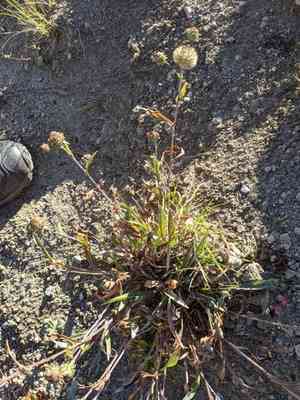
Wandering daisy, a species within the Asteraceae family, flourishes in adequately drained soil and bright to moderate sunlight, reflecting its indigenous alpine and subalpine environments. For effective propagation, gather cuttings from robust, non-blooming stems. Employ sharp, sanitized instruments to reduce harm and the risk of illness. Cuttings establish roots most effectively with elevated humidity and warmth, so contemplate positioning them beneath a plastic enclosure and frequently misting. Guarantee the utilization of a highly aerated, sterile potting substrate to foster robust root growth. Perseverance and diligent attention will result in thriving new specimens.
Optimal Time for Wandering Daisy Propagation
Propagation Method
Cutting
Propagation Period
Spring,Summer
Tools for Wandering Daisy Propagation
Sharp pruners or scissors
These implements are vital for making clean, precise cuts when taking wandering daisy cuttings. A clean cut helps prevent infection and promotes better root formation. Sharp pruners or scissors minimize harm to the parent plant, ensuring the health and viability of both the cutting and the original plant.
Rooting hormone powder or gel
This product stimulates root growth from wandering daisy cuttings, increasing the likelihood of successful propagation. The hormone encourages faster root development, which is critical for the survival and stability of new plants during the transition period.
Sterilizing solution (e.g., alcohol or bleach solution)
Used to sanitize propagation tools before and after use to prevent disease transmission from contaminated tools to wandering daisy. Ensuring tools are sterile helps maintain the overall health of the plant cutting by minimizing infection risk.
Potting mix or appropriate rooting medium
An airy, sterile potting mix suitable for cuttings ensures that new wandering daisy roots can grow unhindered. The medium should drain well yet retain enough moisture to support root growth without causing rot or fungal diseases.
Small pots or trays
These are necessary for planting wandering daisy cuttings. Using individual pots or segregated sections within trays helps manage the health of each cutting separately, allowing for customized care and monitoring as the cuttings begin to root.
Plastic covers or humidity domes
These tools help maintain a humid environment around wandering daisy cuttings, a crucial factor in enhancing the root development process. The cover prevents excessive water loss, helping cuttings stay hydrated and encouraging new root growth.
Propagating Wandering Daisy Guide
Propagation Type
Easy
Caring for Your Newly Propagated Wandering Daisy
Caring for Your Newly Propagated Wandering Daisy
After propagation, keep wandering daisy soil moist but not waterlogged, ensuring proper drainage to prevent root rot. Position the plant in partial shade, avoiding direct midday sun. As wandering daisy establishes roots and grows, gradually acclimate it to more sunlight. Protect it from extreme temperatures and continue to monitor soil moisture levels.
Common Propagation Mistakes for Wandering Daisy
Overwatering during propagation
Excessive watering of wandering daisy can lead to root rot, severely hindering root development in new propagations. Saturated soil deprives roots of necessary oxygen, resulting in weakened and diseased plants.
Using non-sterilized mediums or tools
Propagating with contaminated tools or soil can introduce pathogens to wandering daisy, leading to infections that impede growth. Sterile environments are crucial to prevent disease transmission during the sensitive stages of propagation.
Ignoring root system specifics
Assuming all daisies have identical root needs can lead to improper handling of wandering daisy's delicate roots during division. This can cause significant root damage, affecting the plant's ability to recover and grow successfully.
Tips for Propagating Wandering Daisy
Gentle handling
During division, handle wandering daisy with extreme care to avoid damaging the roots. Damaged roots can lead to poor establishment and growth after propagation.
Appropriate moisture levels
Maintain a consistently moist (but not wet) environment for wandering daisy when propagating. This encourages root growth without the risk of waterlogging, which is harmful to root development.
Use of root hormone
Applying a root hormone to wandering daisy cuttings can greatly enhance root development. This promotes healthier, more robust growth in new plantings.



