How to Transplant Leafy fleabane?
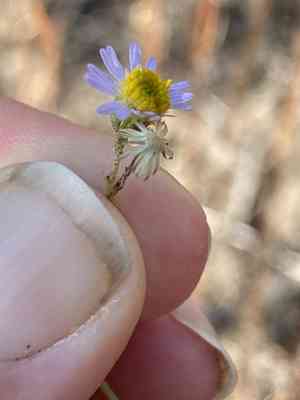
The most favorable time to transplant leafy fleabane spans from early spring's melting snow to the threshold of summer's heat, fostering robust development. Select a location bathed in sunlight with soil that drains effectively. Careful manipulation guarantees a smooth relocation.
What Preparations are Needed Before Transplanting Leafy Fleabane?
What is the Ideal Time for Transplanting Leafy Fleabane?
The perfect period for moving leafy fleabane spans from early spring through its concluding weeks. This timeframe offers prime growth conditions and minimizes transplant shock. Relocating leafy fleabane in spring promotes vigorous development and flourishing, thanks to cooler temperatures and increased moisture, vital for root establishment. Embrace this moment, and you'll foster abundant growth for leafy fleabane, just as nature awakens!
How Much Space Should You Leave Between Leafy Fleabane Plants?
Before introducing your lovely leafy fleabane to its new home, ensure they have ample room to thrive! Position them approximately 8-12 inches apart (20-30 cm). This provides each plant sufficient space to spread its foliage and absorb nutrients without competing with nearby plants.
What is the Best Soil Mix for Leafy Fleabane Transplanting?
Your leafy fleabane will flourish in soil that drains well! Incorporate some organic compost into the existing soil for a nourishing start. A balanced, slow-release fertilizer will provide your leafy fleabane the boost it needs to settle into its new location. Healthy roots lead to thriving plants!
Where Should You Relocate Your Leafy Fleabane?
Sunlight is beneficial for your leafy fleabane, so select a sunny spot where it can receive at least 6 hours of direct light daily. If your garden offers intermittent sun, partial shade will also suffice, but remember, more sun generally means more blooms!
What Equipments Should You Prepare Before Transplantation Leafy Fleabane?
Gardening Gloves
To safeguard your hands while handling soil and plants.
Trowel
For excavating and relocating leafy fleabane seedlings or young plants.
Shovel or Garden Spade
Essential for digging out the plant if moving from the ground and for preparing the new site.
Watering Can or Garden Hose
To hydrate the leafy fleabane after its relocation.
Root Pruning Shears
For trimming roots if necessary during the transplanting process.
Wheelbarrow or Garden Cart
To transport the leafy fleabane and soil, especially when moving larger specimens.
Organic Mulch
To apply around the base of leafy fleabane post-transplant to help retain moisture.
Measuring Tape
To assist in correctly spacing the transplants if planting multiple leafy fleabanes.
How Do You Remove Leafy Fleabane from the Soil?
How Do You Remove Leafy Fleabane from the Soil?
From Ground: First, moisten the leafy fleabane plant to soften the soil, making it easier to manage. Use a shovel or spade to dig a wide circle around the leafy fleabane, being careful to avoid damaging the root ball. Gently work your tool under the roots to free the plant from the soil.From Pot: Water the soil in the pot to loosen the root ball. Turn the pot on its side, tap the bottom, and apply gentle pressure around the edges. Carefully slide the leafy fleabane out, supporting the plant and root ball with your hand.From Seedling Tray: Gently push from the bottom of the cell to lift the leafy fleabane seedling. Hold the seedling by its leaves, not the stem, to prevent harm. Transplant immediately to prevent the roots from drying out.
Step-by-Step Guide for Transplanting Leafy Fleabane
Prepare New Site
Excavate a hole at the new spot that is twice the width and the same depth as the leafy fleabane's root ball.
Root Inspection
Examine the leafy fleabane's root ball for signs of circling or girdled roots and gently separate them. Trim any excessively long or damaged roots.
Positioning leafy fleabane
Place the leafy fleabane in the center of the hole, ensuring it stands upright and at the same soil level as before.
Refilling the Hole
Carefully backfill the hole with the excavated soil. Gently firm the soil around the base of the leafy fleabane to secure it and eliminate air pockets.
Watering
Immediately water the leafy fleabane thoroughly to settle the soil around the roots and hydrate the plant.
Applying Mulch
Spread a layer of organic mulch around the base of the leafy fleabane, keeping it a few inches away from the stem to prevent rot.
How Do You Care For Leafy Fleabane After Transplanting?
Monitoring
Observe the leafy fleabane for indications of transplant shock, such as wilting or leaf drop, and take necessary corrective actions.
Regular Watering
Maintain consistent moisture levels in the soil surrounding the leafy fleabane, being careful not to overwater.
Mulch Benefits
Replenish the mulch as needed to preserve soil moisture and regulate temperature.
Staking Support
Provide support for the leafy fleabane if it is tall or susceptible to wind damage, using stakes and soft ties.
Pruning
Trim any dead or damaged growth to direct the leafy fleabaneâs energy towards establishing new roots and growth.
Troubleshooting Common Issues with Leafy Fleabane Transplantation.
How do I correctly space leafy fleabane when transplanting?
Space leafy fleabane ideally at 8-12 inches (20-30 cm) apart to allow ample room for growth and air circulation.
What's the ideal timing for transplanting leafy fleabane?
The optimal time for transplanting leafy fleabane is from the beginning of early spring until the start of summer.
Why is my leafy fleabane wilting after transplanting?
Wilting may occur if roots were overly disturbed. Ensure gentle handling and sufficient water post-transplant.
How deep should I plant leafy fleabane when transplanting?
Transplant leafy fleabane so the root ball is level with the soil surface, not deeper, to prevent stem rot.
Can I transplant leafy fleabane in full sun exposure?
Yes, leafy fleabane thrives in full sun to partial shade. Just ensure the soil remains moist after transplanting.
What should I do if leafy fleabane doesn't flower after transplanting?
Allow leafy fleabane time to establish, ensure adequate sunlight, and avoid excessive fertilization which can hinder blooming.
How do I prepare the soil before transplanting leafy fleabane?
Enrich the soil with compost and ensure it drains well to create an optimal environment for leafy fleabane.
Is it necessary to prune leafy fleabane when transplanting?
Pruning isn't essential, but removing damaged or overly long roots can promote healthy new growth.
How often should I water leafy fleabane after transplanting?
Water leafy fleabane regularly, keeping the soil consistently moist until established, then reduce frequency.
Should I fertilize leafy fleabane immediately after transplanting?
Wait a few weeks before fertilizing to avoid root burn; let leafy fleabane acclimate to its new location first.



