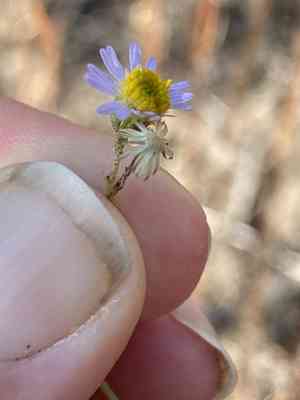
Leafy fleabane (Erigeron foliosus)
Also known as: Leafy Fleabane, Blue Leaf Fleabane, California Fleabane
California buckwheat (Eriogonum fasciculatum) is a perennial herb native to California. It thrives from Oregon to Baja California in North America and is known for attracting butterflies and moths.
In This Article
Attributes of Leafy fleabane
Lifespan
Perennial
Plant Type
Herb
Plant Height
10 cm to 1.02 m
Spread
30 cm to 60 cm
Leaf Color
Green to gray-green
Flower Size
1 cm to 1.5 cm
Flower Color
Yellow Purple White Pink Blue
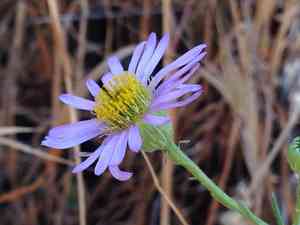
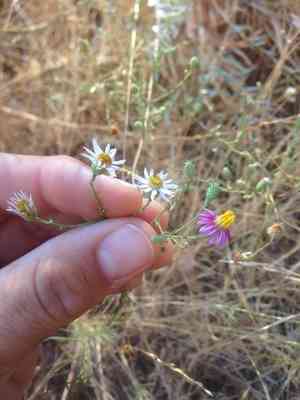
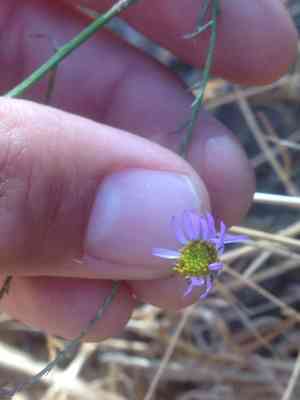
Images of Leafy fleabane
Quickly Identify Leafy fleabane
1
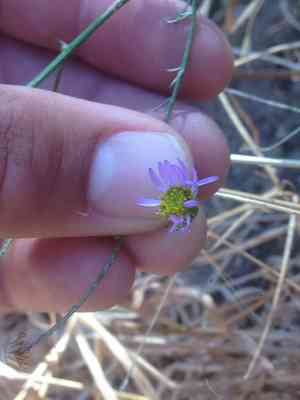
Look for long, narrow leaves and tall stems topped with clusters of small, daisy-like flowers with white to lavender ray florets and yellow centers.
Scientific Classification of Leafy fleabane
Phylum
Vascular plants
Class
Dicotyledons
Order
Asterales
Family
Daisy
Genus
Fleabanes
Species
Leafy fleabane
Planting and Growing of Leafy fleabane
Care Difficulty
Easy
Watering Schedule
Every 2 days
Sunlight Requirements
Full sun
Sunshine Duration
6-10 hours
Ideal Temperature
60-75℉
Soil Type
Potting Mix, Peat Mix
Soil pH
6.5-7.5
Fertilizer Type
Balanced
Pruning Season
Spring, Summer
Pruning Area
Branches, Leaves
Pruning Frequency
2 times a year
Repotting Season
Spring
Pot Type
Plastic, Ceramic
 How to Water Leafy fleabane?
When watering Erigeron foliosus, aim to moisten the soil evenly without causing waterlogging. The principle here is to let the soil dry out slightly between waterings. This means watering thoroughly until water drains from the bottom, but ensure excess water is not sitting, as this can lead to root rot. Keep an eye on the soil's top inch; if it feels dry, it’s likely time to water.
What are the symptoms of an underwatered Leafy fleabane?
›
What should I do if my Leafy fleabane is not getting enough water?
›
What are the symptoms of an overwatered Leafy fleabane?
›
How to save an overwatered Leafy fleabane?
›
 What Are the Sunlight Requirements for Leafy fleabane?
Erigeron foliosus thrives in areas with full sun to partial sun. Adequate light encourages lush foliage and abundant blooms, enhancing its aesthetic and health.
What is the best location for Erigeron foliosus?
›
How can I maximize sunlight exposure?
›
What are the benefits of ideal sunlight for the plant?
›
 What Is the Ideal Temperature Range for Leafy fleabane?
The ideal temperature range for Erigeron foliosus, also known as leafy fleabane, is between 60°F and 75°F. This range provides optimal growing conditions, ensuring that the plant can carry out photosynthesis efficiently, promoting healthy leaf and flower development.
 What Soil is Best for Leafy fleabane?
Erigeron foliosus thrives in a well-draining soil that prevents water from pooling around the roots. This is crucial as it minimizes root rot and ensures the plant remains healthy and vibrant. This plant requires soil with moderate fertility. An overly rich soil can lead to excessive foliage growth at the expense of blooms, while nutrient-poor soil may stunt its overall growth. Maintaining a soil pH close to neutral ensures optimal nutrient uptake, preventing any nutrient deficiencies that might adversely affect Erigeron foliosus's growth and flowering.
 How to Fertilize Leafy fleabane?
Erigeron foliosus, also known as leafy fleabane, prefers a balanced approach to fertilization. When applying liquid fertilizer, use a solution diluted to half the recommended strength. Apply approximately 200 ml of this diluted fertilizer around the base of the plant to avoid overfeeding yet still support healthy growth.
 How to Prune Leafy fleabane?
To start pruning your Erigeron foliosus, first identify any dead or unhealthy stems. Use clean, sharp pruning shears to cut these stems back to the base. Focus on shaping the overall plant by trimming back excessively long or leggy growth. This will help the plant maintain a compact form and encourage new blooms. Remember to always cut just above a leaf node, which helps promote regrowth.
More About Pruning Techniques→
 How to Propagate Leafy fleabane plant?
1
Before sowing, soak the seeds of Erigeron foliosus in water for 24 hours. This helps soften the seed coat and facilitates faster germination. Sow the seeds in a seed tray filled with moist soil, ensuring they are not buried too deep.
2
Select healthy, non-flowering stem tips to take cuttings from Erigeron foliosus. Cut below a node, ensuring each cutting is about 4-6 inches long. Remove the lower leaves to prevent rot and dip the cut end in rooting hormone to encourage root development.
3
Plant the treated cuttings in a pot with a well-drained mix. Ensure the pot is in a humid, warm area and keep the soil consistently moist. Covering the pot with a plastic bag can help maintain humidity, aiding the rooting process.
 How to Repot Leafy fleabane plant?
1
Erigeron foliosus shows signs of needing a repot when the roots start to outgrow the pot, becoming evident through roots emerging from drainage holes or the plant appearing top-heavy. Additionally, a noticeable reduction in growth rate or yellowing foliage indicates it’s time for a new pot.
2
When selecting a pot for Erigeron foliosus, ensure it has ample drainage holes to prevent water stagnation, which can lead to root rot. Opt for a pot slightly larger than the current one to encourage healthy root expansion, promoting robust growth and vibrant blooming.
3
Opt for a well-draining, sandy soil mix to ensure Erigeron foliosus gets the proper aeration and drainage. This soil type replicates its natural habitat, preventing waterlogging and fostering a healthy root system, keeping your plant thriving and stress-free.
Learn More About Leafy fleabane Diseases
Anthracnose
Bacterial Leaf Spot
Bacterial Soft Rot
Bacterial Wilt
Chemical Injury
Crown Gall
Cyst Nematode
Damping-off
Downy Mildew
Drought Stress
Fusarium Wilt
Gray Mold
Leaf Spot
Mosaic
Nutrient Deficiency
Nutrient Toxicity
Powdery Mildew
Root Rot
Root-knot Nematode
Rusts
Sooty Mold
Spider Mites
Temperature Stress
Thrips Damage
White Mold



