How to Prune Leafy fleabane?
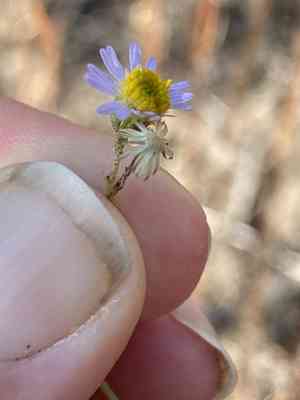
Leafy fleabane, a resilient perennial featuring slender foliage and blossoms resembling daisies, thrives with strategic trimming to foster its well-being and robustness. Consistently remove faded blooms to stimulate continuous flowering. Reducing the stems by approximately one-third in late spring can refine the plant's form and boost its floral output. The most suitable time for pruning is throughout spring and summer, coinciding with its active development periods. Trimming also aids in managing its expansion and averting self-propagation, which is crucial for preserving the garden's visual appeal.
Advantages of Trimming Leafy Fleabane
Advantages of Trimming Leafy Fleabane
Trimming leafy fleabane can promote robust development and help preserve a desired form. Consistent cutting fosters a more vigorous and structured plant, boosting its overall health and visual appeal.
Optimal Period for Pruning Leafy Fleabane
Optimal Period for Pruning Leafy Fleabane
Pruning in spring enables leafy fleabane to recover swiftly as it enters a phase of strong growth. This also allows leafy fleabane time to mend before the rigors of summer heat. Pruning in early summer aids in maintaining the plant's shape and size and can stimulate a second bloom in varieties that flower repeatedly. Avoid pruning in late summer or fall, as this can encourage new growth that might not harden before winter frosts. Correct timing ensures leafy fleabane remains healthy and exhibits optimal flowering.
Necessary Tools for Pruning Leafy Fleabane
Hand Pruners
Perfect for making precise cuts on leafy fleabane's slender stems during thinning or shaping. Use bypass pruners instead of anvil types to prevent crushing stem tissues.
Shears
Leafy fleabane might need trimming to maintain its form and encourage denser growth. Sharp shears can provide a clean cut across multiple stems simultaneously without causing harm.
Gloves
Though not a direct pruning tool, gloves are crucial for safeguarding hands from scratches when handling leafy fleabane.
How to Prune Leafy Fleabane
Remove infected parts
While inspecting leafy fleabane, carefully eliminate any leaves or stems showing disease symptoms. Use clean, sharp pruning shears, making cuts at the base of the affected material to prevent pathogen spread to healthy sections. Sanitize shears after each cut if infection is present to avoid spreading diseases to other plants or uninfected areas of leafy fleabane.
Clear away debris
Gather and dispose of all diseased and withered leaves and stems from around the base of leafy fleabane to prevent potential reinfection or decay that could attract pests. Disposal should be away from the garden or compost to avoid contaminating other plants or compost material.
Snip faded parts
Trim back any withered leaves and stems to encourage healthier growth and appearance by carefully cutting them at their origin point or back to a set of healthy leaves. A clean cut will help leafy fleabane recover faster and promote new, vigorous growth.
Thinning out
Thin out dense growth areas if needed to improve air circulation, which can help reduce fungal disease incidence. Make selective cuts to remove some stems within crowded areas, ensuring adequate space between remaining stems for light penetration and airflow around leafy fleabane.
Post-pruning care
After pruning, water leafy fleabane sufficiently to aid recovery, but avoid overhead watering to minimize fungal disease risk. Also, consider applying a balanced fertilizer to provide leafy fleabane with essential nutrients to stimulate new growth.
Common Pruning Errors with Leafy Fleabane
Excessive cutting
New gardeners might remove too much foliage from leafy fleabane, which can weaken the plant and reduce its ability to photosynthesize effectively. Pruning should be done in moderation.
Incorrect tools
Using dull or dirty tools can result in jagged cuts and introduce pathogens to leafy fleabane. It is crucial to use clean, sharp pruning shears.
Ignoring deadheading
Failure to deadhead, or remove spent flowers from leafy fleabane, can lead to fewer blooms in the next season by allowing the plant to prioritize seed production.
Disregarding plant shape
Pruning without considering leafy fleabane's natural shape can result in an unbalanced and unattractive appearance. Pruning should maintain or enhance the plant's form.
Overlooking health check
Neglecting to inspect leafy fleabane for signs of disease or pest damage before pruning can lead to missed opportunities to improve the plant's health and vigor.
General Pruning Advice for Leafy Fleabane
Selective pruning
When pruning leafy fleabane, selectively remove specific areas that are overgrown, dead, or diseased. This will help maintain the plant's natural shape and encourage healthy growth.
Clean cuts
Make clean, angled cuts when pruning leafy fleabane to promote rapid healing and prevent disease entry. Cuts should be made just above a leaf set or a node.
Regular upkeep
Regularly deadhead leafy fleabane by pinching off or clipping spent flowers. This encourages more blooming and redirects the plant's energy towards growth and health.
Annual thinning
Perform an annual thinning of leafy fleabane to improve air circulation and light penetration, which can reduce disease likelihood and promote more vigorous growth.
Informed recovery
Understand that leafy fleabane can tolerate heavy pruning if necessary, but allow ample time for recovery, providing care and minimizing stress factors.



