The Leafy fleabane Plant Advantage: Maximizing Home and Office Appeal and Wellness
1
Leafy fleabane is recognized for its ability to withstand dry conditions and its low-maintenance nature.
2
This plant aids in maintaining soil integrity by inhibiting erosion.
3
It draws in beneficial insects like bees and butterflies, thereby boosting ecological diversity.
Why is Leafy fleabane Important for Your Garden?
Enhancing Garden Aesthetics
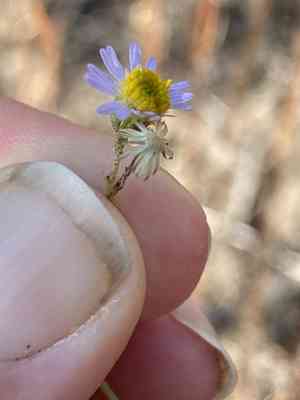
A key advantage of Leafy fleabane is its striking visual appeal. With its lush green foliage and charming, daisy-like blooms, the plant adds a dynamic and vibrant element to any garden. Its flowers, typically featuring white or purple hues, offer a refreshing burst of color, making it an excellent choice for ornamental gardening. Its compact growth habit also allows it to integrate well into various garden designs, from traditional to modern landscapes.
Low Maintenance Requirements
Another significant benefit of Leafy fleabane is its minimal care needs. The plant is drought-tolerant, making it an excellent option for gardens in arid regions or for those seeking low-water plants. Once established, Leafy fleabane requires infrequent watering, thus conserving water resources. Its ability to thrive in diverse soil types further adds to its versatility and ease of cultivation. Its robust nature ensures it can withstand challenging conditions, making it a dependable and sustainable choice for gardeners.
Attracting Pollinators
Plants like Leafy fleabane play a vital role in supporting pollinator populations such as bees and butterflies. Its flowers are a rich source of nectar, drawing in these crucial creatures and assisting in the pollination of other garden plants. By cultivating Leafy fleabane, gardeners can contribute to the health and diversity of their local ecosystems. This attraction fosters a more biodiverse and vibrant garden, which further enhances the aesthetic and ecological value of the space.
Environmental Benefits of Leafy fleabane
Soil Stability and Health
One of the remarkable environmental advantages of Leafy fleabane is its capacity to improve soil stability. The plantâs extensive root system helps prevent soil erosion, making it an excellent choice for slopes and other erosion-prone areas. Additionally, by stabilizing the soil, Leafy fleabane contributes to the overall health of the garden, reducing the loss of valuable topsoil and enhancing soil fertility over time. This function is particularly beneficial in areas susceptible to heavy rains or strong winds.
Supporting Local Wildlife
Leafy fleabane serves as an important habitat and food source for local wildlife. Its dense foliage provides shelter for small animals, while its flowers and seeds offer sustenance for various species. By incorporating Leafy fleabane into garden spaces, gardeners can support a range of local wildlife, enhancing ecological balance and fostering a healthier environment. This symbiotic relationship between plants and animals is essential for maintaining biodiversity in both garden and wild landscapes.
Improving Air Quality
Leafy fleabane also contributes to better air quality. Like many green plants, it absorbs carbon dioxide and releases oxygen through photosynthesis. Additionally, the plant can help filter pollutants from the air, leading to cleaner and healthier surroundings. By growing Leafy fleabane, gardeners can actively enhance the air quality of their immediate environment, benefiting both personal health and the wider community.
Cultivation and Care of Leafy fleabane
Ideal Growing Conditions
To maximize the benefits of Leafy fleabane, itâs important to provide suitable growing conditions. The plant prefers a sunny location but can tolerate partial shade. Well-drained soil is ideal, though Leafy fleabane adapts to various soil types. When planting, ensure adequate spacing between plants to allow for proper air circulation and prevent overcrowding, which can lead to fungal issues.
Propagation and Planting Tips
Leafy fleabane can be easily propagated from seeds or cuttings. For seed propagation, sow seeds in early spring, lightly covering them with soil. If opting for cuttings, take healthy stems in spring or early summer and root them in a well-draining soil mix. Regular weeding and occasional pruning will help maintain the plant's shape and health. Mulching around the base can help retain moisture and suppress weeds, further aiding in the plant's care and maintenance.
Pest and Disease Management
Leafy fleabane is relatively resistant to pests and diseases, but itâs not entirely immune. Common issues include aphids and powdery mildew. Regular monitoring and early intervention can keep these problems in check. Organic treatments such as neem oil for aphids or baking soda solutions for mildew can be effective. Maintaining proper watering and airflow around the plants also helps prevent most issues, ensuring Leafy fleabane remains healthy and vigorous throughout its growing season.



