How to Transplant Bitter fleabane?
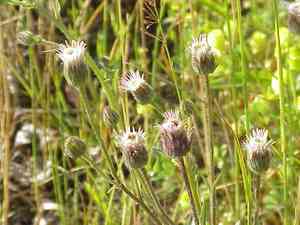
The ideal period for relocating bitter fleabane is during the agreeable coolness of early spring, after the ground has consistently unfrozen, extending until flowers begin to appear. Select a location bathed in sunlight, featuring soil that drains effectively, to encourage vigorous development. Carefully managing the root system aids in a smooth establishment.
What Preparations are Needed Before Relocating Bitter Fleabane?
What is the Optimal Period for Moving Bitter Fleabane?
The best time to move bitter fleabane is from early spring's awakening until the start of summer, ensuring a strong beginning. This timing allows bitter fleabane to flourish, benefiting from the moist spring earth, moderate temperatures, and increasing daylight. This window enables bitter fleabane to establish roots before summer. This period is truly perfect for fostering vigorous bitter fleabane growth!
How Much Clearance Should You Provide Between Bitter Fleabane Plants?
Allow your bitter fleabane ample room to grow! Aim for a spacing of 12 inches (30 cm) to 3 feet (91 cm) between them. This ensures each plant can comfortably extend its roots and foliage. Optimal spacing is like giving your plants their own 'personal space' to develop.
What is the Best Soil Mixture for Bitter Fleabane Relocation?
For your bitter fleabane, well-drained soil is crucial. Incorporate some organic compost to enrich the soil and give your plant a healthy start. A balanced slow-release fertilizer is an excellent choice for novices. It's like preparing a nourishing bed for your plants to rest in!
Where Should You Replant Your Bitter Fleabane?
Your bitter fleabane loves sunlight! Select a location that receives full sun for at least 6 hours daily. A sun-drenched spot will keep your bitter fleabane radiating with happiness. It's like choosing a sunny vacation destination for your plant's permanent residence!
What Equipment Should You Prepare Before Relocating Bitter Fleabane?
Gardening Gloves
To safeguard your hands while handling soil and plants.
Shovel or Spade
For excavating the plant without harming the root ball.
Garden Trowel
For managing smaller plants and detailed tasks.
Watering Can or Hose
To hydrate the plant before and after moving.
Pruning Shears
To remove any dead or excessive growth.
Wheelbarrow or Garden Cart
To transport the removed plant and fresh soil if necessary.
Measuring Tape
To accurately space out the new planting locations.
How Do You Extract Bitter Fleabane from the Soil?
How Do You Extract Bitter Fleabane from the Soil?
From Ground: First, water the bitter fleabane plant to moisten the soil. Then, dig a wide trench around the plant using a shovel or spade, ensuring the plant's root ball remains intact. Carefully work the spade beneath the root ball to lift the plant from its original spot.From Pot: Water the bitter fleabane plant to loosen the soil. Turn the pot on its side and gently tap to dislodge the root ball. Support the plant's base and tilt to slide the plant out.From Seedling Tray: Water the cell containing the bitter fleabane plant to make the soil pliable. Use a garden trowel or your fingers to gently lift the seedling with its soil clump, being careful not to damage the roots.
Step-by-Step Guide for Relocating Bitter Fleabane
Preparation
Ensure all necessary tools are at hand, and wear gardening gloves to protect your hands.
Removal
Depending on the bitter fleabane's starting point, follow the appropriate removal process to carefully lift the plant, preserving its root structure.
Transplant Hole
Dig a hole in the new location that is twice the width of the root ball and of similar depth.
Placing
Position the bitter fleabane into the hole, ensuring it is at the same depth as it was previously.
Backfilling
Refill the hole around the root ball, pressing soil gently but firmly, making sure there are no air pockets.
Watering
Water the bitter fleabane thoroughly to settle the soil and hydrate the roots.
Supporting
If the bitter fleabane is larger or top-heavy, stake the plant to provide additional support.
How Do You Care For Bitter Fleabane After Relocation?
Immediate Care
Keep the soil consistently moist for the initial few weeks to encourage root development, but be careful not to overwater.
Mulching
Apply a layer of mulch around the base of bitter fleabane to help retain soil moisture and warmth.
Monitoring
Regularly check bitter fleabane for signs of stress, such as wilting or discolored leaves, and address them promptly.
Pruning
Trim any damaged or dead parts of bitter fleabane to encourage healthy new growth.
Stabilization
Ensure supports or stakes are secure and adjust them as the bitter fleabane grows.
Troubleshooting Common Issues with Bitter Fleabane Relocation.
When's the best time to relocate bitter fleabane?
Choose to move bitter fleabane during the mild weather of early to late spring, allowing for root establishment before extreme heat or cold.
How far apart should I space bitter fleabane plants?
Aim for an ideal spacing between 12 inches (30 cm) and 3 feet (91 cm), ensuring each bitter fleabane has ample room to thrive.
Why are my relocated bitter fleabane plants wilting?
Wilting after relocation could be due to transplant shock. Ensure adequate watering and avoid direct sun until they recover.
What soil conditions benefit bitter fleabane after relocation?
After relocating bitter fleabane, they flourish best in well-drained soil, rich in organic matter, with a neutral to slightly alkaline pH level.
Should I water bitter fleabane immediately after relocating?
Yes, give bitter fleabane a good initial watering to settle the soil around the roots and eliminate air pockets.
How deep should the hole be when relocating bitter fleabane?
Dig a hole that's just deep enough so bitter fleabane's root ball sits level with the soil surface.
Can bitter fleabane handle full sun after relocating?
Initially, bitter fleabane prefers partial shade to acclimate to their new surroundings. Gradually introduce them to more sun over several days.
How do I handle bitter fleabane's roots during relocation?
Gently loosen bitter fleabane's roots before planting. This promotes outward growth and better establishment in their new location.
What's the ideal temperature for relocating bitter fleabane?
Relocate bitter fleabane when temperatures are moderate, avoiding frost and extreme heat to protect developing roots.
Is mulching necessary after relocating bitter fleabane?
Mulching helps conserve moisture and regulate soil temperature, assisting bitter fleabane in adapting to their new home.



