How to Prune Bitter fleabane?
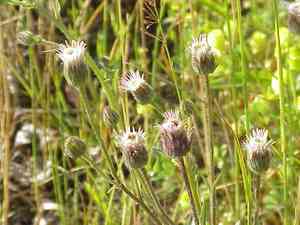
A resilient perennial, bitter fleabane thrives in bright sunlight, producing blossoms resembling daisies. Trimming is crucial for fostering denser development and an increased number of flowers. Following its spring or summer bloom, promptly remove spent flowers to stimulate a subsequent flowering period. In late summer or early autumn, cut back older leaves to facilitate fresh growth. Refrain from extensive pruning, as bitter fleabane only withstands gentle shaping. The advantages of pruning encompass averting diseases, revitalizing specimens, and enhancing garden aesthetics.
What Are the Benefits of Pruning Bitter Fleabane?
What Are the Benefits of Pruning Bitter Fleabane?
Trimming bitter fleabane stimulates its development and aids in maintaining a compact, pleasing shape. Strategic cuts can foster a denser habit, ensuring bitter fleabane looks its best while flourishing.
What Is the Best Time for Pruning Bitter Fleabane?
What Is the Best Time for Pruning Bitter Fleabane?
Pruning bitter fleabane during late spring to early summer aligns well with its growth cycle, as it allows for recovery and regrowth in optimal conditions. This timing ensures that pruning does not disrupt the plant's flowering phase, as bitter fleabane typically blooms in summer and might set seeds later in the season. It also provides the plant with enough time to heal before the potential stresses of winter. Pruning in the recommended seasons avoids removing nascent growth that occurs in the spring, ensuring that the plant maintains its vigor and has ample opportunity to grow throughout the season. Additionally, by trimming bitter fleabane after the risk of frost has passed, gardeners help preserve new buds and shoots that can be damaged by cold temperatures. This timing not only aids in overall health and aesthetics but also encourages a robust bloom in the flowering period.
What Tools Do I Need to Prune Bitter Fleabane?
Bypass Pruners
Perfect for making clean cuts on bitter fleabane, helping to keep its form and remove dead or diseased foliage without crushing plant tissues.
Gardening Shears
Useful for trimming and shaping bitter fleabane's soft stems and foliage. Easy to handle for quick snipping.
Gloves
Protects hands while pruning bitter fleabane, ensuring safety from any potential skin irritants or sharp edges.
How to Prune Bitter Fleabane
Disinfect
Before starting, sanitize your pruning tools with a solution of 1 part bleach to 9 parts water to prevent the spread of disease to or from bitter fleabane.
Remove diseased leaves
Identify and carefully remove any diseased leaves from bitter fleabane, using sharp secateurs. Make precise cuts to remove the entire leaf, including the base of the leaf stem, to prevent further infection.
Remove withered leaves
Prune away withered or dead leaves, which can be gently plucked by hand if they come away easily, or use pruning shears for a clean cut. This focuses bitter fleabane's energy on healthy growth.
Trim diseased stems
Locate stems with signs of disease and prune them back to healthy tissue. If the entire stem is affected, it should be cut back to the base. Ensure cuts on bitter fleabane are made at a 45-degree angle to promote healing and water runoff.
Cleanup
Collect and dispose of all removed plant debris from bitter fleabane off-site to prevent reinfection or the spread of diseases. Clean your tools after finishing the job.
Common Pruning Mistakes with Bitter Fleabane
Over pruning
Removing too much foliage from bitter fleabane in a single pruning session can stress the plant and potentially lead to reduced vigor and flowering.
Improper cut locations
Cutting bitter fleabane either too close to the main stem or too far away from the buds can harm the plant. Incorrect cut locations may lead to disease or poor regrowth.
Using dull tools
Dull pruning tools can damage the stems of bitter fleabane by crushing rather than cutting cleanly, which can lead to disease and poor healing.
Ignoring dead or diseased tissue
Failing to remove dead or diseased tissue from bitter fleabane may allow disease to spread or weaken the overall health of the plant.
Common Pruning Tips for Bitter Fleabane
Sterilize tools
Use sterilized pruning shears to prevent the spread of disease when cutting back bitter fleabane.
Prune to healthy growth
When pruning bitter fleabane, cut back to just above a set of healthy leaves or buds to promote robust new growth.
Thinning out
Thin out crowded stems to improve air circulation, which helps to reduce the risk of disease in bitter fleabane.
Maintain plant shape
Follow the natural shape of bitter fleabane when pruning to maintain its appearance and encourage balanced growth.
Discard prunings
Dispose of all pruning debris to reduce the risk of disease and pests around bitter fleabane.



