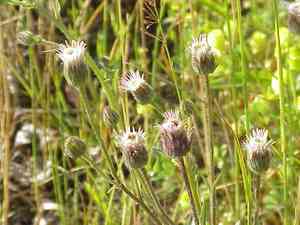
Bitter fleabane (Erigeron acris)
Also known as: Northern daisy
Bitter fleabane, a member of the buttercup family, thrives in environments such as wastelands, quarries, dunes, and rocky areas. This perennial is particularly admired for its fluffy seed head, which bears a striking resemblance to that of the common dandelion.
In This Article
Attributes of Bitter fleabane
Lifespan
Perennial, Annual, Biennial
Plant Type
Herb
Plant Height
30 cm to 91 cm
Spread
30 cm to 45 cm
Leaf Color
Green
Flower Size
2.5 cm
Flower Color
White Pink Purple
Images of Bitter fleabane
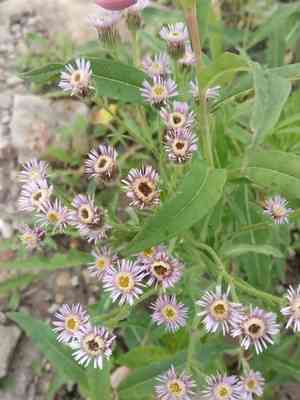
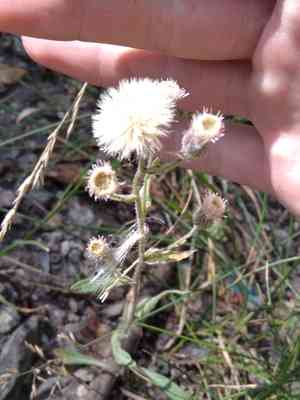
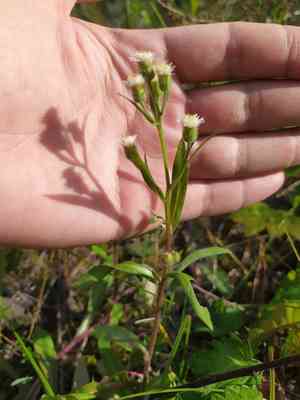
Quickly Identify Bitter fleabane
1
Delicate, daisy-like flowers with pink to white rays and yellow centers, around 1 inch (2.5 cm) in diameter.
2
Distinct dry fruits, achene with brown color and silken-haired pappus for aerial dispersal.
3
Spatula-shaped basal leaves with lobes, becoming lance-shaped, smooth-edged, and 2-4 inches (5-10 cm) long.
4
Single, unbranched stem, green to reddish, 0.08-0.2 inches (2-5 mm) thick, with slight ridges.
5
Erect growth habit with medium green foliage and stems reaching up to 16 inches (40 cm) in height.
Scientific Classification of Bitter fleabane
Phylum
Vascular plants
Class
Dicotyledons
Order
Asterales
Family
Daisy
Genus
Fleabanes
Species
Bitter fleabane
Planting and Growing of Bitter fleabane
Care Difficulty
Easy
Watering Schedule
Every 2 days
Sunlight Requirements
Full sun
Sunshine Duration
6-10 hours
Ideal Temperature
60-75℉
Soil Type
Potting Mix, Peat Mix
Soil pH
6-8
Fertilizer Type
Balanced
Pruning Season
Spring, Summer
Pruning Area
Branches, Leaves
Pruning Frequency
2 times a year
Repotting Season
Spring
Pot Type
Plastic, Ceramic
 How to Water Bitter fleabane?
For Erigeron acris, a moderate watering approach works best; about 200 ml per session. Ensure the soil feels lightly damp but not soggy. Water deeply until excess begins to drain from the bottom.
What are the symptoms of an underwatered Bitter fleabane?
›
What should I do if my Bitter fleabane is not getting enough water?
›
What are the symptoms of an overwatered Bitter fleabane?
›
How to save an overwatered Bitter fleabane?
›
 What Are the Sunlight Requirements for Bitter fleabane?
Partial to full sun is ideal for Erigeron acris, supporting strong growth and flowering. Ensuring proper light gives the plant energy for photosynthesis and maintains vibrant colors.
More About Sunlight Requirements Techniques→
What is the best location for Erigeron acris?
›
How can I adjust the lighting for Erigeron acris?
›
What benefits does the ideal lighting provide for Erigeron acris?
›
 What Is the Ideal Temperature Range for Bitter fleabane?
Erigeron acris thrives best in temperatures ranging between 60°F and 75°F. These conditions simulate its native habitats, allowing for optimal growth and flowering. Maintaining these temperatures ensures the plant can perform photosynthesis efficiently, leading to healthy foliage and vibrant blooms.
 What Soil is Best for Bitter fleabane?
Erigeron acris thrives in well-drained soil, preventing root rot and allowing roots to access oxygen effectively. This condition promotes healthy growth and vibrant blooms. A soil with moderate fertility levels ensures robust growth without excessive foliage. This balance supports flowering and resilience against environmental stressors. Soil that retains some moisture without becoming waterlogged is ideal. It supports consistent hydration, crucial for maintaining the plant's health during dry spells.
 How to Fertilize Bitter fleabane?
For Erigeron acris, it is ideal to apply a balanced fertilizer at a rate of 5 grams per square meter. Avoid excessive application as this plant thrives in relatively nutrient-poor conditions by nature.
 How to Prune Bitter fleabane?
Begin by identifying and removing any dead or damaged stems and leaves. Cut at a 45-degree angle just above a node to encourage new growth. This helps the plant focus energy on healthy parts, boosting overall vitality. Trim excess growth to shape the plant, ensuring even light distribution to all parts. Keep the natural growth habit in mind for a balanced look. Proper shaping promotes a more appealing and structurally sound plant. Pinch back the tips of new growth to promote bushier growth patterns. This method helps Erigeron acris achieve a denser appearance, which is particularly advantageous in garden settings aiming for full coverage.
More About Pruning Techniques→
 How to Propagate Bitter fleabane plant?
1
Start by preparing a seedbed or seed tray filled with a well-draining potting mix. The medium should be moist but not waterlogged. Level the surface to ensure even seed distribution and gently press down the soil to eliminate air pockets.
2
Scatter Erigeron acris seeds evenly over the seedbed. Cover them lightly with a thin layer of soil or sand. It's important to maintain soil contact without burying the seeds too deeply, as they require light to germinate.
3
Keep the soil consistently moist by misting it lightly. Avoid overwatering, which can wash away seeds or lead to fungal issues. Maintain a temperature of around 15-20°C to encourage optimal germination rates.
 How to Repot Bitter fleabane plant?
1
Signs that Erigeron acris needs repotting include roots poking out of the drainage holes and slowed growth. Spring or early summer is ideal, allowing the plant to settle during its active growing period.
2
Select a pot one size larger, with drainage holes, to prevent root rot. The material should retain some moisture without being waterlogged, aiding in creating an ideal growth environment.
3
Use a well-draining sandy loam soil. This mix ensures proper aeration and prevents waterlogging, promoting healthy root growth and preventing fungal issues.
Learn More About Bitter fleabane Diseases
Anthracnose
Bacterial Leaf Spot
Bacterial Wilt
Crown Gall
Cyst Nematode
Damping-off
Downy Mildew
Drought Stress
Fusarium Wilt
Gray Mold
Leaf Curl
Leaf Spot
Mosaic
Nutrient Deficiency
Nutrient Toxicity
Powdery Mildew
Root Rot
Root-knot Nematode
Rusts
Sooty Mold
Spider Mites
Temperature Stress
Thrips Damage
White Mold



