The Bitter fleabane Plant Advantage: Maximizing Home and Office Appeal and Wellness
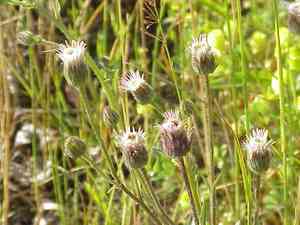
1
Bitter fleabane is recognized for its inherent pest-deterring qualities.
2
Bitter fleabane has historically found application in botanical treatments and traditional healing practices.
3
Bitter fleabane contributes to ecological variety by offering a home for beneficial insects.
The Ecological Significance of Bitter fleabane
How Does Bitter fleabane Bolster Biodiversity?
A key ecological advantage of Bitter fleabane is its contribution to local biodiversity. This plant draws in various pollinators, such as bees and butterflies, which are vital for ecosystem health. By supplying nectar and pollen, Bitter fleabane aids in sustaining the populations of these crucial species. Furthermore, Bitter fleabane acts as a host plant for several insect types, thereby playing a central role in the food web.
What Makes Bitter fleabane an Effective Insect Deterrent?
Bitter fleabane is well-known for its inherent insect-repelling qualities. The plant emits an aroma that is off-putting to many insects, especially fleas, which is the origin of one of its common names. Gardeners and homeowners can utilize Bitter fleabane as a natural remedy to ward off pests, lessening the reliance on chemical insecticides that can harm the environment.
Traditional Applications of Bitter fleabane in Herbal Remedies
What Are the Historical Applications of Bitter fleabane?
Bitter fleabane possesses a rich history of utilization in herbal medicine. Historically, it has been employed to address various ailments due to its purported anti-inflammatory and antimicrobial characteristics. While contemporary scientific investigation is still catching up with these traditional uses, many cultures have long esteemed Bitter fleabane for its healing capabilities.
How Is Bitter fleabane Employed in Folk Medicine?
In folk medicine, Bitter fleabane is frequently prepared as a tea, tincture, or integrated into topical applications. These traditional customs underscore the plant's function in promoting overall well-being. It is crucial to note that these applications are based on historical practices rather than current scientific evidence, and one should consult with a knowledgeable herbalist when using Bitter fleabane for health-related purposes.
Gardening and Landscaping Advantages
How to Integrate Bitter fleabane into Your Garden?
Bitter fleabane is a versatile plant that can enhance both the aesthetic and practical aspects of a garden. It can flourish in diverse soil conditions, making it an excellent option for gardeners seeking to add variety to their plant collections. Moreover, its insect-repelling attributes can safeguard other plants in your garden from pests.
What Are the Care Guidelines for Bitter fleabane?
Bitter fleabane is relatively low-maintenance, requiring minimal intervention once established. Consistent watering and occasional trimming can help the plant thrive. It is also resistant to most pests and diseases, making it a robust addition to any garden.
Sustainability and Ethical Considerations
Why Opt for Bitter fleabane for Sustainable Gardening?
Incorporating Bitter fleabane into your gardening practices represents a step towards sustainability. The plant's natural ability to repel insects diminishes the need for chemical pesticides, fostering a healthier environment. Furthermore, Bitter fleabane can be a component of native planting schemes, which benefit local wildlife and ecosystems.
What Are the Ethical Collection Practices for Bitter fleabane?
When gathering Bitter fleabane, it is essential to employ ethical methods to ensure its continued availability. This involves taking only what is necessary and allowing sufficient plant material to remain and reproduce. Ethical harvesting helps sustain the plant's population and guarantees that future generations can also benefit from its numerous uses.



