How to Transplant Pine-bush?
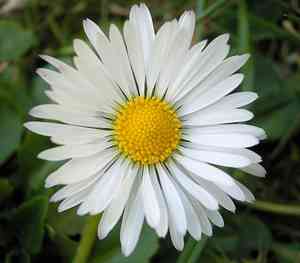
Pine-bush flourishes when relocated between the beginning and end of summer, since warmer ground aids in root development. Select a bright, adequately drained site for peak performance. Verify the chosen area replicates its native environment for a smooth adaptation.
What Preparations are Needed Before Transplanting Pine-bush?
What is the Ideal Time for Transplanting Pine-bush?
The best period for relocating pine-bush, a perennial, spans from early to late summer. This season provides a good mix of warmer ground temperatures and ample daylight, which aids root development and lessens stress. Moving pine-bush at this time guarantees strong growth and successful establishment, allowing the plant sufficient time to adjust before winter dormancy.
How Much Space Should You Leave Between Pine-bush Plants?
When moving pine-bush, make sure to position each plant 2-3 feet (60-90 cm) apart. This provides them with adequate room to develop and flourish without becoming overcrowded.
What is the Best Soil Mix for Pine-bush Transplanting?
Prepare soil that drains well, incorporating a base fertilizer low in nitrogen but rich in phosphorus and potassium. Adding organic compost can also help improve the soil quality for pine-bush.
Where Should You Relocate Your Pine-bush?
Place pine-bush in a sunny spot where it can receive direct sunlight for at least 6-8 hours daily. This plant thrives best with abundant direct sun exposure.
What Equipments Should You Prepare Before Transplantation Pine-bush?
Gardening Gloves
To safeguard your hands while handling soil and the plant.
Shovel or Spade
For excavating around the plant and creating a new planting site.
Trowel
Useful for more precise digging and positioning the plant in its new spot.
Watering Can or Hose
To hydrate the plant before and after its relocation.
Mulch
To assist in retaining soil moisture after transplanting.
How Do You Remove Pine-bush from the Soil?
How Do You Remove Pine-bush from the Soil?
From Ground: First, moisten the pine-bush plant to dampen the soil. Then, dig a wide trench around the plant using a shovel or spade, ensuring the plant's root ball stays intact. Carefully work the spade beneath the root ball to lift the plant from its original spot.From Pot: Gently tap the pot's sides to loosen the soil. Turn the pot sideways and carefully slide the pine-bush plant out, supporting the main stem. If the plant is stuck, use a trowel to loosen the edges. Ensure the root ball remains undamaged.From Seedling Tray: Use a trowel to carefully lift the pine-bush seedling from the tray, minimizing root disturbance. Hold the seedling by its leaves, not the stem, to prevent harm.
Step-by-Step Guide for Transplanting Pine-bush
Site Preparation
Select a location with suitable sunlight and sufficient space for your pine-bush plant to reach its full size. Clear the area of weeds and debris.
Digging Hole
Excavate a hole that is twice as wide and the same depth as the pine-bush plant's root ball.
Plant Placement
Position the pine-bush plant in the hole, making sure the top of the root ball is level with the ground surface. Adjust the plant until it stands upright.
Backfilling
Fill the hole with soil, gently pressing down to remove air pockets. Firmly but gently pat the soil around the base of the pine-bush plant.
Watering
Thoroughly water the pine-bush plant to help it settle into its new location.
How Do You Care For Pine-bush After Transplanting?
Watering
Keep the soil around the pine-bush consistently moist, but not waterlogged, for the initial weeks after transplanting to encourage strong root development.
Mulching
Apply a layer of mulch around the base of the pine-bush plant to conserve moisture and regulate soil temperature.
Monitoring
Regularly inspect the pine-bush plant for indications of stress, such as wilting or yellowing leaves, and adjust care as necessary.
Troubleshooting Common Issues with Pine-bush Transplantation.
When is the best time to transplant pine-bush?
Early to late summer is ideal for relocating pine-bush to ensure successful establishment.
How much space should I leave between each pine-bush?
Ensure a spacing of 2-3 feet (60-90 cm) between each pine-bush for optimal growth.
How deep should I plant pine-bush during transplanting?
Plant pine-bush at the same depth it was in its original container for stability.
What type of soil is best for transplanting pine-bush?
Well-draining, sandy soil is ideal for pine-bush to prevent root rot and promote healthy growth.
How often should I water pine-bush after transplanting?
Water pine-bush immediately after transplanting, then keep the soil consistently moist for the first few weeks.
Should I prune pine-bush before transplanting?
Lightly prune pine-bush to remove any damaged or dead branches before transplanting to stimulate new growth.
Can I fertilize pine-bush immediately after transplanting?
Wait a few weeks after relocating pine-bush before applying a balanced fertilizer to avoid root burn.
How can I reduce transplant shock for pine-bush?
Water thoroughly and provide mulch around the base to retain moisture and moderate soil temperature.
Is it necessary to acclimate pine-bush before transplanting?
Gradually expose pine-bush to its new location for a week to reduce stress and ensure acclimation.
What is a common sign of transplant stress in pine-bush?
Wilting or drooping leaves can indicate transplant stress; ensure proper watering and shading as needed.



