How to Prune Pine-bush?
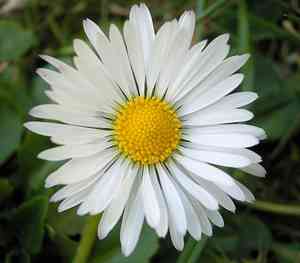
Pinus-bush is a resilient woody plant recognized for its acicular foliage and golden blossoms. Essential trimming methods involve excising deceased or compromised limbs and reducing congested sections to enhance airflow. The ideal period for pruning is in early spring, coinciding with the plant's developmental phase. Consistent trimming fosters more robust development and boosts floral production. Verify that all cuts are precise to avert illness. Always employ disinfected implements for superior outcomes.
Advantages of Trimming Pine-bush
Advantages of Trimming Pine-bush
Trimming pine-bush encourages robust development, maintains its form, and improves its overall look. It also aids in managing plant size and increasing resistance to pests and illnesses, ensuring healthy growth and optimal visual appeal.
Optimal Time for Trimming Pine-bush
Optimal Time for Trimming Pine-bush
Trimming pine-bush in early spring is ideal as it coincides with the start of the plant's active growth phase. Pruning at this time allows the plant to recover quickly and direct energy towards new growth. Furthermore, pruning before the plant flowers helps avoid disrupting its blooming cycle, leading to a more vibrant floral display. Early spring pruning also minimizes the chance of disease and pest infestation, as the plant is more dormant compared to warmer months.
Required Tools for Trimming Pine-bush
Bypass Pruners
Perfect for making clean cuts on live branches up to ¾ inches thick, ensuring minimal harm and faster recovery.
Loppers
Useful for cutting thicker branches, typically between 1 and 2 inches in diameter, with extended handles for increased leverage.
Pruning Saw
Essential for cutting branches thicker than 2 inches, providing clean, smooth cuts and preventing unnecessary plant damage.
Hand Shears
Ideal for light trimming and shaping of smaller branches and twigs, allowing for precise cuts.
How to Trim Pine-bush
Adhere to Sanitation Practices
Clean your pruning tools with a disinfectant before starting to prevent the spread of disease.
Remove Diseased Leaves
Thoroughly inspect pine-bush, and prune any diseased leaves by cutting them off near their base, ensuring all affected parts are removed.
Remove Withered Leaves
Identify withered leaves on pine-bush, and trim them off neatly at the base to encourage new growth and prevent infection.
Cut Dead Branches
Locate dead branches on pine-bush and use sharp, clean pruning shears to cut them back to the nearest healthy branch or the main stem.
Prune Diseased Branches
Examine for any diseased branches; cut them off well below the affected area into healthy tissue to prevent further spread of disease. Dispose of all pruned parts properly.
Common Trimming Errors with Pine-bush
Excessive Pruning
Removing too much of pine-bush at once can stress the plant and lead to poor growth or even death. Aim to trim no more than 20-30% of the plant's overall foliage in a single session.
Incorrect Cut Placement
Making cuts too close to the main stem or trunk can damage the plant and hinder its ability to heal. Always cut just above a node or bud, which promotes healthier regrowth.
Improper Tool Usage
Using dull or dirty tools can cause jagged cuts and introduce diseases. Ensure pruning shears and saws are sharp and sanitized before each use.
Neglecting to Remove Dead or Diseased Parts
Failing to prune out dead, diseased, or damaged branches can lead to spread of disease and obstruct healthy growth. Regularly inspect pine-bush and carefully remove problematic parts.
Uneven Trimming
Inconsistently trimming one side of the plant can result in an unbalanced shape. Strive for symmetry to maintain the plant's natural form.
Trimming at Incorrect Growth Stages
Trimming during peak blooming periods can reduce the number of flowers. Avoid pruning when pine-bush is producing its characteristic blooms.
General Trimming Advice for Pine-bush
Utilize clean, sharp tools
Always use clean and sharp pruning tools to make precise cuts and reduce the risk of infections.
Cut above nodes
Make cuts just above a node or bud to encourage vigorous new growth and ensure the plant heals efficiently.
Remove overcrowded branches
Thin out densely packed branches to improve air circulation and light penetration, helping prevent fungal issues and promoting overall plant health.
Respect the natural shape
Prune in a way that respects the natural shape of pine-bush, avoiding overzealous cutting that could distort its form.
Monitor for pests and diseases
Regularly inspect pine-bush for signs of pests or diseases, and promptly prune away affected areas to prevent spread.
Incremental pruning
Instead of a single heavy pruning session, consider incremental pruning over time to reduce stress on the plant and ensure steady growth.



