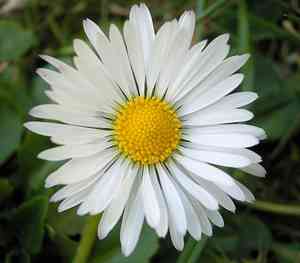
Pine-bush (Ericameria pinifolia)
Also known as: Pine-bush, Pine Goldenbush
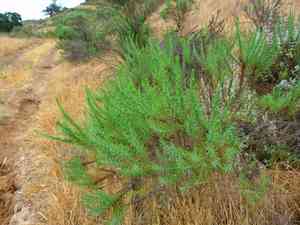
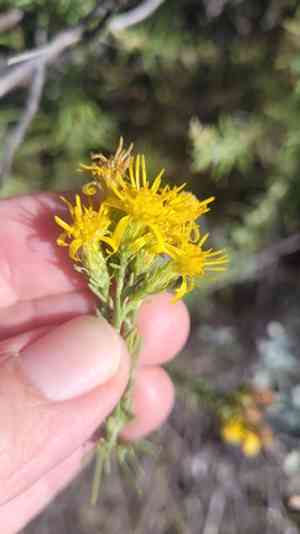
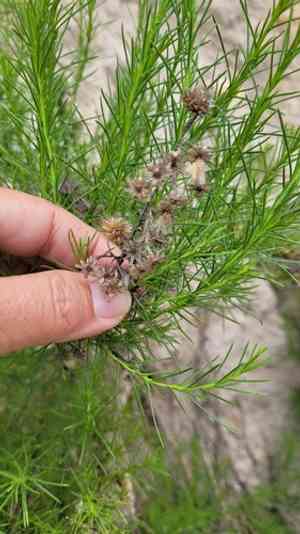
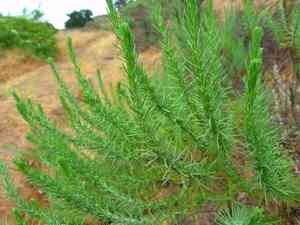
Pine-bush is a unique shrub characterized by its narrow, needle-like leaves that give it a conifer-like look. Its sturdy, woody branches bear clusters of small, vibrant yellow flowers that stand out against the green foliage. Adapted to arid environments, pine-bush's drought-resistant features are crucial for its survival. Its deep root system, small waxy leaves, and efficient water storage help it thrive in dry conditions.
In This Article
Attributes of Pine-bush
Lifespan
Perennial
Plant Type
Shrub
Plant Height
3-6 feet
Spread
4-5 feet
Leaf Color
Green
Flower Size
Approximately 0.5 inches
Flower Color
Bright Yellow
Images of Pine-bush
Quickly Identify Pine-bush
1
The plant can be identified by its needle-like leaves resembling those of pine trees, and its bright yellow flowers that bloom in clusters. It typically grows as a shrub reaching heights of around 3-6 feet.
Scientific Classification of Pine-bush
Phylum
Vascular plants
Class
Dicotyledons
Order
Asterales
Family
Daisy
Genus
Goldenbushes
Species
Pine-bush
Planting and Growing of Pine-bush
Care Difficulty
Moderate
Watering Schedule
Every 2 days
Sunlight Requirements
Full sun
Sunshine Duration
6-10 hours
Ideal Temperature
50-75℉
Soil Type
Potting Mix, Peat Mix
Soil pH
6.5-7.5
Fertilizer Type
Balanced
Pruning Season
Spring, Summer
Pruning Area
Branches, Leaves
Pruning Frequency
2 times a year
Repotting Season
Spring
Pot Type
Plastic, Ceramic
 How to Water Pine-bush?
Ericameria pinifolia prefers a gentle but thorough watering approach. With each session, provide around 250 ml of water, ensuring that the soil is moist but not waterlogged. Water until you notice moisture draining from the bottom of the pot, indicating that the root zone is adequately hydrated without excess.
What are the symptoms of an underwatered Pine-bush?
›
What should I do if my Pine-bush is not getting enough water?
›
What are the symptoms of an overwatered Pine-bush?
›
How to save an overwatered Pine-bush?
›
 What Are the Sunlight Requirements for Pine-bush?
Ericameria pinifolia thrives in full sun conditions, which provide the intense sunlight needed for flourishing. Continuous sun exposure boosts photosynthesis, ensuring strong growth and prolific flowering for aesthetic and ecological benefits.
What is the best lighting for Ericameria pinifolia?
›
How can I ensure my Ericameria pinifolia gets enough sunlight?
›
What are the benefits of ideal lighting for Ericameria pinifolia?
›
 What Is the Ideal Temperature Range for Pine-bush?
Ericameria pinifolia thrives best in temperatures ranging from 50°F to 75°F. This range offers optimal conditions for photosynthesis and overall plant health. Maintaining these temperatures ensures robust growth, flowering, and resistance to pests and diseases.
 What Soil is Best for Pine-bush?
Ericameria pinifolia thrives in well-draining soil, which prevents waterlogging around its roots. Good drainage ensures oxygen can easily reach the roots, promoting healthier growth and reducing the risk of root rot. This plant is adapted to low-nutrient soils, meaning it does not require rich, fertilized earth. This characteristic makes it an excellent choice for gardeners looking to minimize fertilizer use and sustainably manage garden resources. Ericameria pinifolia prefers soils with a slightly acidic to neutral pH range, which helps to optimize nutrient uptake and maintain the overall health of the plant.
 How to Fertilize Pine-bush?
For Ericameria pinifolia, the recommended amount of fertilizer should be modest. Generally, you should use about half the strength of an all-purpose liquid fertilizer that you would use for typical green plants. This ensures that you do not overwhelm the plant's root system with excessive nutrients.
 How to Prune Pine-bush?
Begin by assessing the plant for any dead or diseased branches and remove them with sharp, clean shears. Next, trim back any leggy or overly long branches to encourage a compact growth habit. Aim to cut just above leaf nodes to promote new growth. Shape the plant symmetrically for a balanced appearance. Make sure that the cuts are at a slight angle to prevent water from collecting on the cut surfaces, reducing the likelihood of rot. The most suitable time for pruning Ericameria pinifolia is during the spring and early summer, coinciding with its active growth period. Avoid pruning during late summer or autumn as it may stimulate new growth vulnerable to winter damage. Proper timing ensures the plant regenerates quickly and maintains health throughout the growing season.
More About Pruning Techniques→
 How to Propagate Pine-bush plant?
1
Collect mature seeds from Ericameria pinifolia flower heads as they start to dry. Clean the seeds by removing any debris or pappus fluff to ensure good contact with the soil.
2
Sow the prepared seeds in a propagation tray filled with well-draining, sandy soil. Lightly cover with soil and water gently to settle the seeds into place.
3
Take cuttings in early summer from non-flowering shoots, dip the cut ends in rooting hormone, and place them in moist, sandy soil. Keep the humidity high by covering with a plastic bag.
 How to Repot Pine-bush plant?
1
Look for roots circling the pot or emerging from drainage holes as a sign. If growth has slowed significantly, it's a strong indicator repotting is necessary.
2
Select a container slightly larger than the current pot, ensuring it has sufficient drainage holes. This helps prevent root rot by allowing excess water to escape.
3
Opt for a well-draining sandy mix to mimic its natural habitat. Sandy soil allows for good drainage, providing the roots with the ideal aeration and avoiding waterlogged conditions.



