How to Propagate Pine-bush?
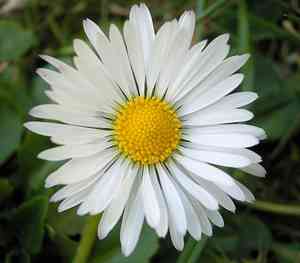
Pine-bush, a robust shrub belonging to the Asteraceae family, can be propagated using semi-hardwood cuttings sourced from vigorous specimens. Make sure the cuttings measure 4-6 inches in length and have their bottom leaves detached. Apply rooting hormone and insert the cuttings into a substrate that drains effectively. Provide elevated humidity and diffused illumination to foster root formation. With perseverance, the plant will develop roots and be ready for relocation.
Optimal Period for Pine-bush Propagation
Propagation Method
Cutting
Propagation Period
Spring,Summer
Tools for Pine-bush Propagation
Pruning Shears
Crucial for obtaining clean, precise cuttings from pine-bush. Sharp shears reduce damage to the parent plant and provide a clean surface for rooting.
Rooting Hormone
Aids in the development of roots in pine-bush cuttings. Enhances the likelihood of successful rooting by stimulating root growth and guarding against fungal infections.
Propagation Trays
Offer an organized space for pine-bush cuttings to develop roots. Trays help maintain moisture and prevent overcrowding, which can lead to disease.
Sterile Potting Mix
Provides a pathogen-free medium for pine-bush cuttings to root. A sterile mix lowers the risk of fungal issues and promotes better root health.
Misting Bottle
Maintains the required humidity around pine-bush cuttings. Regular misting keeps cuttings hydrated without waterlogging the soil, vital for root development.
Heating Mats
Delivers consistent bottom warmth to encourage root growth in pine-bush cuttings. Heating mats maintain a stable temperature beneficial for faster, more effective rooting.
Humidity Dome
Creates a high-humidity microclimate for pine-bush cuttings. A humidity dome reduces water loss and helps maintain the necessary moisture for successful propagation.
Clean, Sharp Knife
Useful for making any final adjustments to pine-bush cuttings. A sharp knife ensures clean cuts, which are less prone to disease.
Propagating Pine-bush: A Guide
Propagation Difficulty
Moderately Difficult
Caring for Your Newly Propagated Pine-bush
Caring for Your Newly Propagated Pine-bush
Once the cutting has rooted, typically within a few weeks, gradually introduce the new pine-bush plant to its environment by exposing it to more direct sunlight. Transplant it to its permanent spot in well-draining soil. Water the plant regularly until it establishes a strong root system. Pine-bush thrives best in full sun with minimal water once established, making it a low-maintenance addition to your garden.
Common Errors to Avoid When Propagating Pine-bush
Overwatering
Excessive watering can cause root rot and fungal diseases, severely impacting the plant's health.
Incorrect Soil Type
Using dense, poorly draining soil can suffocate roots and hinder growth.
Improper Light Conditions
Insufficient light can lead to weak, elongated growth, reducing the chances of successful propagation.
Incorrect Cutting Techniques
Using dull tools or improper methods can damage stems and decrease rooting success.
Advice for Propagating Pine-bush
Moderate Watering
Ensure the soil remains moist but not waterlogged to prevent root diseases.
Well-Draining Soil
Utilize a well-draining soil mix to foster healthy root development and prevent waterlogging.
Adequate Sunlight
Position cuttings in a location with ample sunlight to encourage robust growth and rooting.
Sterile Cutting Tools
Employ clean, sharp tools to make precise cuts and minimize the risk of infection.



