How to Transplant Fendler's sandwort?
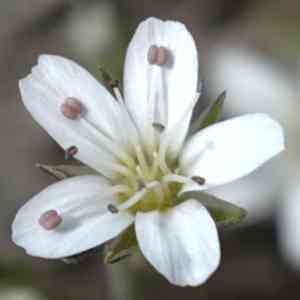
The ideal period for relocating Fendler's sandwort is between the beginning and end of spring, which guarantees its best development. Choose a bright spot with good drainage to encourage robust root systems. Should it be necessary, provide moderate watering to keep the soil damp, assisting in its successful settling.
What Preparations are Needed Before Transplanting Fendler's Sandwort?
What is the Ideal Time for Transplanting Fendler's Sandwort?
The best time to move fendler's sandwort is from early to late spring. This period ensures the ground is warm enough to encourage root development and growth. Relocating during this window promotes stronger establishment and better adaptation to new surroundings, which is vital for perennial plants. This strategic timing maximizes survival rates and long-term vitality.
How Much Space Should You Leave Between Fendler's Sandwort Plants?
For new gardeners, when relocating fendler's sandwort, aim to position each plant 12-18 inches (30-45 cm) apart. This provides ample room for growth and ensures adequate air circulation.
What is the Best Soil Mix for Fendler's Sandwort Transplanting?
Prepare well-draining, sandy or rocky soil enriched with a phosphate-rich base fertilizer. This replicates fendler's sandwort's natural habitat and supports robust root growth.
Where Should You Relocate Your Fendler's Sandwort?
Select a sunny location for fendler's sandwort, as it flourishes in full sun. Ensure the site receives at least 6-8 hours of direct sunlight daily.
What Equipments Should You Prepare Before Transplantation Fendler's Sandwort?
Gardening Gloves
To safeguard your hands while handling soil and the plant.
Trowel or Small Shovel
For excavating the plant from its initial spot and for digging a hole in the ground at the new site.
Garden Fork
To assist in loosening the soil around the plant, making removal easier.
Watering Can or Hose
To hydrate the plant and the new hole both before and after relocation.
Wheelbarrow
Useful for moving the plant if it is large or the distance is significant.
Compost or Organic Mulch
To enrich the soil and offer a supportive environment for the relocated plant.
How Do You Remove Fendler's Sandwort from the Soil?
How Do You Remove Fendler's Sandwort from the Soil?
From Ground: First, moisten the fendler's sandwort plant's soil with water. Then, dig a wide trench around the plant using a trowel or small shovel, ensuring the plant's root ball remains intact. Carefully work the tool beneath the root ball to lift the plant from its original position.From Pot: Water the fendler's sandwort plant to make the soil easier to manage. Gently tap the pot's sides to loosen the soil. Hold the plant at its base and carefully slide it out of the pot, ensuring the root ball stays whole.From Seedling Tray: Water the seedlings to prevent shock. Use a pencil or similar tool to gently push from the tray's bottom to release the fendler's sandwort seedling along with its root ball.
Step-by-Step Guide for Transplanting Fendler's Sandwort
Prepare the New Location
Dig a hole in the ground that is twice the width and depth of the fendler's sandwort plant's root ball. Fill the hole with water and allow it to drain to create a moist environment for the roots.
Remove the Plant from the Original Location
Follow the appropriate removal procedure detailed above based on whether the fendler's sandwort plant is in the ground, a pot, or a seedling tray.
Inspect and Trim the Roots
Examine the roots of the fendler's sandwort plant for any damage and prune any excessively long or tangled roots to encourage healthy development.
Transplant into New Hole
Place the fendler's sandwort plant in the center of the prepared hole, ensuring the top of the root ball is level with the ground surface. Backfill the hole with soil, gently firming it around the roots to eliminate air pockets.
Water the Plant
Thoroughly water the fendler's sandwort plant after transplanting to help settle the soil around the roots and initiate the establishment process.
Add Mulch (Optional)
Apply a layer of organic mulch around the base of the fendler's sandwort plant to retain moisture and regulate soil temperature.
How Do You Care For Fendler's Sandwort After Transplanting?
Watering
Keep the soil around the fendler's sandwort consistently moist, but not waterlogged, for the initial few weeks post-transplant to aid in developing strong roots.
Monitoring
Regularly check the fendler's sandwort plant for indications of stress, such as wilting or yellowing foliage, and adjust care as necessary.
Protection
Shield the fendler's sandwort plant from harsh weather conditions like frost or extreme heat by utilizing garden cloths or suitable covers.
Feeding
Avoid fertilizing immediately after transplanting to prevent root burn. Wait a few weeks and use a balanced, slow-release fertilizer to support growth.
Troubleshooting Common Issues with Fendler's Sandwort Transplantation.
When is the best time to transplant fendler's sandwort?
Early to late spring is ideal for relocating fendler's sandwort for optimal growth.
How far apart should fendler's sandwort plants be spaced?
Space fendler's sandwort plants 12-18 inches (30-45 cm) apart to allow for healthy development.
What type of soil is best for fendler's sandwort?
Fendler's sandwort thrives in well-draining, sandy or rocky soil for optimal health and growth.
How do I prepare the soil for transplanting fendler's sandwort?
Loosen the soil to a depth of 6-8 inches (15-20 cm) to ensure good root penetration.
Should I water fendler's sandwort immediately after transplanting?
Yes, water fendler's sandwort thoroughly right after transplanting to help establish its roots.
How can I prevent transplant shock in fendler's sandwort?
Transplant on a cloudy day or in the early evening to minimize stress on fendler's sandwort.
Is mulching necessary when transplanting fendler's sandwort?
Applying a light layer of mulch can help retain moisture but avoid covering the base of fendler's sandwort.
Do I need to fertilize fendler's sandwort after transplanting?
A balanced, slow-release fertilizer can support fendler's sandwort's growth; apply it sparingly after transplanting.
How deep should I plant fendler's sandwort during transplanting?
Plant fendler's sandwort at the same depth it was growing in its original location for best results.
What should I do if fendler's sandwort starts wilting after transplanting?
Ensure proper watering and avoid overexposure to direct sunlight to help fendler's sandwort recover from wilting.



