How to Prune Fendler's sandwort?
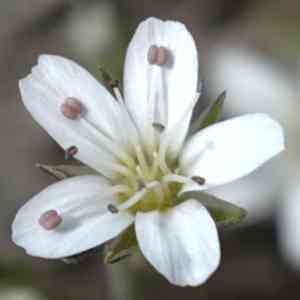
Fendler's sandwort, recognized for its dainty white blossoms and persistent greenery, flourishes with deliberate trimming. The best periods are early spring or late winter, prior to the emergence of new shoots. Snip off any lifeless or injured stalks to preserve the plant's well-being. Gentle shaping fosters a dense structure and boosts flowering. Refrain from severe cutting to avert strain. Consistent pruning aids fendler's sandwort by stimulating robust development and minimizing sparse growth, guaranteeing a strong appearance in your landscape, in accordance with gardening recommendations.
What Are the Benefits of Pruning Fendler's Sandwort?
What Are the Benefits of Pruning Fendler's Sandwort?
Pruning fendler's sandwort helps maintain its form, promotes robust development, and prevents it from becoming leggy. Regular trimming also improves air circulation, decreasing the likelihood of pests and diseases.
What Is the Best Time for Pruning Fendler's Sandwort?
What Is the Best Time for Pruning Fendler's Sandwort?
Trimming fendler's sandwort in early spring or late winter is advised to ensure the plant's vitality and optimal development. These periods are ideal as the plant is typically dormant, minimizing stress from pruning. Additionally, this timing allows for the removal of any dead or damaged branches before new growth begins, which aids in promoting abundant flowering or fruiting. Pruning during these times reduces disease risk and ensures cuts heal more efficiently.
What Tools Do I Need to Prune Fendler's Sandwort?
Pruning shears
Hand pruners are perfect for trimming fendler's sandwort, offering precision for cutting small stems and spent blooms.
Bypass pruners
These pruners deliver a clean cut, crucial for preventing plant harm and illness.
Sharp scissors
Garden scissors can be utilized for detailed shaping and refining the delicate parts of fendler's sandwort.
Small hand saw
A small hand saw is useful for any thicker stems that require cutting back, typically found in more mature plants.
How to Prune Fendler's Sandwort
Identify
Examine fendler's sandwort for any diseased foliage. These may appear discolored, spotted, or shriveled due to fungal or bacterial infections.
Tools
Utilize sterile pruning shears or scissors to prevent disease spread. Sanitize tools with rubbing alcohol before proceeding.
Remove Diseased Leaves
Carefully cut back diseased leaves at their base, near the stem, without harming healthy plant parts.
Inspect Withered Leaves
Check fendler's sandwort for withered leaves. These will look dry, brown, or brittle and no longer serve a purpose.
Remove Withered Leaves
Gently snip off withered leaves at their attachment point to the plant. Ensure no part of the withered leaves remains to maintain the plant's health and appearance.
Common Pruning Mistakes with Fendler's Sandwort
Improper Technique
Many gardeners, especially beginners, might err by using dull or unclean pruning tools. This can result in jagged cuts and heighten disease risk.
Over-Pruning
Excessively trimming fendler's sandwort can stress the plant, reducing its ability to flower and potentially leading to stunted development.
Pruning at Incorrect Locations
Not understanding the proper cutting points can lead to the removal of vital structural branches and buds, impacting the plant's overall form and health.
Common Pruning Tips for Fendler's Sandwort
Use Sharp, Clean Tools
Ensure your pruning shears or scissors are sharp and sterilized to make clean cuts and prevent disease transmission.
Moderation is Key
When trimming fendler's sandwort, it's important to remove no more than one-third of the plant at a time. This ensures the plant retains enough foliage for photosynthesis and health.
Identify and Prune Correctly
Focus on removing dead, diseased, or damaged branches first. Then, cut back any overgrown branches to maintain the plant's shape. Make cuts just above a leaf node or bud to encourage healthy new growth.



