How to Propagate Fendler's sandwort?
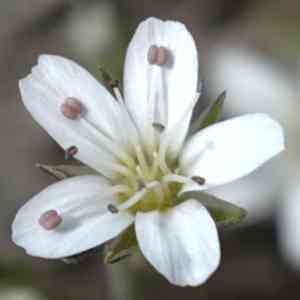
Fendler's sandwort, a robust perennial indigenous to North America, flourishes in arid, stony habitats. To propagate, direct seeding into sandy, well-draining substrate is advisable. Ensure a light covering for the seeds and maintain dampness until sprouting occurs. Improved germination rates can be attained by stratifying the seeds prior to planting. Root sections are also a viable propagation method, but exercise care to avoid excessive moisture.
When Is the Optimal Time to Propagate Fendler's Sandwort?
Propagation Method
Seeding
Propagation Period
Spring
What Equipment Is Used for Fendler's Sandwort Propagation?
Seed Tray
A seed tray is vital for sowing fendler's sandwort seeds. It offers a controlled setting for germination, enabling easy monitoring of moisture levels. Select a tray with good drainage to prevent waterlogging, which can impede the germination process.
Fine Potting Mix
A fine potting mix is essential for sowing fendler's sandwort seeds. It should be a well-draining, sterile medium to prevent diseases. The fine texture ensures good seed-to-soil contact, which is necessary for successful germination.
Spray Bottle
A spray bottle is utilized for gently watering fendler's sandwort seeds. It ensures the seeds remain moist without dislodging them, a key factor for maintaining seed placement integrity and preventing uneven germination.
Humidity Dome
A humidity dome placed over the seed tray helps maintain consistent moisture and temperature levels, creating an optimal microenvironment for fendler's sandwort seeds to germinate. This tool is especially beneficial for retaining humidity, reducing the risk of dry-out.
Heat Mat
A heat mat can provide consistent bottom warmth, which speeds up the germination of fendler's sandwort seeds. Maintaining an ideal soil temperature is critical for promoting uniform and healthy seedling development.
Labeling Stakes
Labeling stakes are used to identify the sown fendler's sandwort seeds. Proper labeling aids in accurate tracking of different propagation stages and prevents confusion, especially if multiple species are being grown simultaneously.
Clean Tweezers
Clean tweezers can be helpful for precisely placing small fendler's sandwort seeds in the potting mix. This tool provides accuracy in handling delicate seeds and minimizes disturbance to the planting media.
Seedling Transplanter
A seedling transplanter is needed for carefully moving fendler's sandwort seedlings to larger containers or their final growing locations. The transplanter helps minimize root disturbance and ensures the seedlings are securely planted without damaging their root systems.
Grow Lights
Grow lights can supplement natural light, providing the necessary light spectrum for healthy seedling growth of fendler's sandwort, especially in low-light conditions or during shorter days of the year. Ensure enough light intensity to support robust growth.
How to Propagate Fendler's Sandwort?
Propagation Difficulty
Easy
How to Care for Your Newly Propagated Fendler's Sandwort?
How to Care for Your Newly Propagated Fendler's Sandwort?
Once the seedlings of fendler's sandwort have established, gradually acclimate them to outdoor conditions. Transplant them into a location with well-draining soil and full to partial sun exposure. Water regularly, allowing the soil to dry out slightly between watering sessions, and protect the young plants from extreme weather conditions until they are more established.
Common Mistakes to Avoid When Propagating Fendler's Sandwort
Overwatering
Excessive watering can lead to root rot and other fungal diseases. Fendler's sandwort prefers well-drained soil, and overwatering inhibits this condition.
Incorrect Soil Type
Using heavy, clay-based soils can suffocate the roots and limit nutrient uptake. Fendler's sandwort thrives in sandy, well-drained soils.
Lack of Sunlight
Fendler's sandwort requires full sun to thrive. Insufficient sunlight hinders its growth and can lead to weak, leggy plants.
Improper Handling of Cuttings
Damaging the stems or leaves during propagation can impede root formation and increase susceptibility to disease.
Tips For Propagating Fendler's Sandwort
Use Well-Draining Soil
Fendler's sandwort grows best in sandy, well-drained soil that mimics its natural habitat. Mixing sand with standard potting soil is beneficial.
Moderate Watering
Water sparingly, allowing the soil to dry out between watering sessions to prevent root rot and promote healthy growth.
Maximize Sun Exposure
Ensure fendler's sandwort is placed in an area with full sunlight to support healthy development and robust growth.
Gentle Handling
Take care when handling cuttings to avoid damaging the plant. Use clean, sharp tools to make precise cuts.



