How to Transplant Fringed centipede grass?
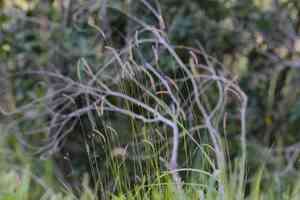
It is most favorable to transplant fringed centipede grass during the mild period of mid-to-late spring, or within the pleasant chill of mid-to-late autumn, to facilitate root development. Select a location bathed in sunlight with soil that drains effectively to encourage its flourishing.
What Preparations are Needed Before Transplanting Fringed Centipede Grass?
What is the Ideal Time for Transplanting Fringed Centipede Grass?
The best time to move fringed centipede grass is during the mild warmth of mid-to-late spring or the cooler period of mid-to-late fall. Relocating fringed centipede grass in these calm seasons allows it to establish roots in moderate soil, avoiding summer's heat and winter's cold. This timely shift encourages strong development, ensuring fringed centipede grass flourishes vigorously in its new spot.
How Much Space Should You Leave Between Fringed Centipede Grass Plants?
Before moving your fringed centipede grass, it's vital to provide them with sufficient room to grow. Aim to space them approximately 6-12 inches (15-30 cm) apart. This will ensure they have enough space to develop without competing for nutrients and water.
What is the Best Soil Mix for Fringed Centipede Grass Transplanting?
Your fringed centipede grass will thrive in well-drained, fertile soil. Incorporate compost or a balanced slow-release fertilizer to create a nourishing base. Remember, healthy roots lead to healthy shoots!
Where Should You Relocate Your Fringed Centipede Grass?
Choose a location for your fringed centipede grass where they will receive abundant sunlight, as they love the sun's warm embrace. A spot that gets over 6 hours of daily sunlight will keep your fringed centipede grass radiating with happiness!
What Equipments Should You Prepare Before Transplantation Fringed Centipede Grass?
Shovel or Spade
To excavate the plant and create a new planting site in the ground.
Watering Can or Hose
To hydrate the plant before and after relocation, ensuring the soil is moist.
Gardening Gloves
To safeguard your hands while handling soil and plants.
Trowel
For minor adjustments to the planting hole or to assist in lifting smaller plants.
Wheelbarrow
To transport the plant and soil without straining your back.
Pruning Shears
To trim any damaged roots or foliage prior to transplanting.
Garden Fork
To loosen the soil around the plant's root mass when extracting it from the ground.
How Do You Remove Fringed Centipede Grass from the Soil?
How Do You Remove Fringed Centipede Grass from the Soil?
From Ground: First, water the fringed centipede grass plant to moisten the soil. Then, carefully dig a wide circle around the plant with a shovel or spade, making sure to keep the root ball intact. Gently work the tool beneath the root ball to lift the plant from its original spot.From Pot: Water the fringed centipede grass plant and allow it to absorb moisture. Afterward, gently tap the pot's sides to loosen the soil. Invert the pot while supporting the plant's base and root ball with your hand, then carefully slide the plant out.From Seedling Tray: Dampen the soil in the tray to facilitate removal. Use a trowel or your fingers to gently lift the seedling by its leaves, not its stem, ensuring a good amount of soil remains with the roots to protect them.
Step-by-Step Guide for Transplanting Fringed Centipede Grass
Plant Preparation
Verify that the fringed centipede grass plant is healthy and ready for relocation. Trim any damaged roots or leaves to direct the plant's energy towards re-establishing in its new spot.
Dig the Hole
Excavate a hole in the ground where you intend to transplant the fringed centipede grass, making it twice as wide and roughly the same depth as the root ball to provide ample room for expansion.
Transplant Positioning
Carefully place the fringed centipede grass into the hole. The top of the root ball should be level with the surrounding soil to prevent water accumulation.
Backfill the Hole
Gently refill the hole with the soil you initially removed, compacting it slightly to eliminate air pockets. Do not press down too firmly as this could harm the roots.
Water
After transplanting, thoroughly water the fringed centipede grass to settle the soil around the roots and remove any remaining air pockets. A slow and deep watering method is ideal.
How Do You Care For Fringed Centipede Grass After Transplanting?
Monitoring Growth
Observe the fringed centipede grass as it adjusts to its new environment. Look for indications of new growth, which signifies successful transplanting.
Mulching
Apply a layer of organic mulch around the fringed centipede grass to help retain soil moisture and moderate temperature extremes.
Regular Watering
Ensure consistent watering for the fringed centipede grass, especially during dry periods, as steady moisture is vital for the first few months after transplant.
Weed Control
Remove any competing weeds that emerge around the fringed centipede grass to prevent them from drawing nutrients and water away from the plant.
Troubleshooting Common Issues with Fringed Centipede Grass Transplantation.
When is the best time to transplant fringed centipede grass?
Optimal periods to move fringed centipede grass are from mid-spring to late spring, or from mid-fall to late fall, to encourage root development during mild temperatures.
How far apart should I space fringed centipede grass when transplanting?
For optimal growth, space fringed centipede grass approximately 6-12 inches (15-30 cm) apart to allow them room to spread and flourish.
Why is my transplanted fringed centipede grass wilting?
Wilting after transplant may be due to shock. Ensure adequate watering, initially avoid intense sun, and maintain soil moisture without overwatering.
How much should I water fringed centipede grass after transplanting?
Water fringed centipede grass generously after transplanting, then maintain consistent moisture, allowing the top inch of soil to dry between waterings.
What kind of soil is best for transplanting fringed centipede grass?
Transplant fringed centipede grass into well-drained soil rich in organic matter to support healthy root development and efficient water drainage.
Should I fertilize fringed centipede grass after transplanting?
Wait 4-6 weeks before fertilizing fringed centipede grass after transplanting to prevent burning delicate new roots with excessive nutrients.
Can I transplant fringed centipede grass in full sun?
Fringed centipede grass thrives in sunny conditions, but during the initial transplant phase, provide some shade to reduce stress and prevent sunburn.
How deep should I plant fringed centipede grass during transplanting?
Plant fringed centipede grass at the same depth it was previously growing to prevent stem rot and encourage root establishment.
What if my transplanted fringed centipede grass isn't growing?
Be patient; fringed centipede grass may experience transplant shock. Maintain consistent care and allow it time to adjust and recover before expecting new growth.
How do I prepare the planting hole for fringed centipede grass?
Dig a hole twice the width of the root ball and equally deep to ensure roots have ample space to spread and access nutrients.



