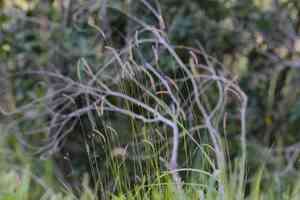
Fringed centipede grass (Eremochloa ciliaris)
Also known as: Buffel Grass
Zoysia grass, originating from regions in Asia, has been introduced to North America. It is suitable for lawns but requires particular climate and soil conditions to thrive.
In This Article
Attributes of Fringed centipede grass
Lifespan
Perennial
Plant Type
Herb
Plant Height
40 cm to 60 cm
Spread
N/A
Leaf Color
Green
Flower Size
3 mm
Flower Color
Yellow Green Purple Brown
Images of Fringed centipede grass
Quickly Identify Fringed centipede grass
1
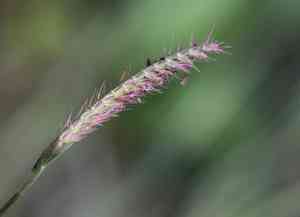
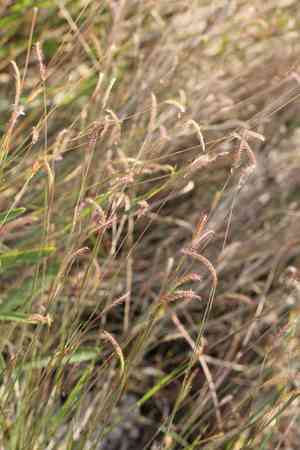
Eremochloa ciliaris can be identified by its dense tufted growth habit, narrow leaves, and distinctive hairy ligule at the leaf base. The flower spikes are also a key characteristic, which appear fluffy.
Scientific Classification of Fringed centipede grass
Phylum
Vascular plants
Class
Monocotyledons
Order
Poales
Family
Grass
Genus
Eremochloa
Species
Fringed centipede grass
Planting and Growing of Fringed centipede grass
Care Difficulty
Easy
Watering Schedule
Every 2 days
Sunlight Requirements
Full sun
Sunshine Duration
4-6 hours
Ideal Temperature
75-85℉
Soil Type
Potting Mix, Peat Mix
Soil pH
6.5-7.5
Fertilizer Type
Balanced
Pruning Season
Spring, Summer
Pruning Area
Branches, Leaves
Pruning Frequency
2 times a year
Repotting Season
Spring
Pot Type
Plastic, Ceramic
 How to Water Fringed centipede grass?
When watering Eremochloa ciliaris, it's essential to ensure the soil is thoroughly wet, reaching a depth of about 15 cm. This translates to approximately 500 ml of water per session, assuming well-draining soil. The goal is to maintain even moisture without waterlogging the plant's roots.
What are the symptoms of an underwatered Fringed centipede grass?
›
What should I do if my Fringed centipede grass is not getting enough water?
›
What are the symptoms of an overwatered Fringed centipede grass?
›
How to save an overwatered Fringed centipede grass?
›
 What Are the Sunlight Requirements for Fringed centipede grass?
Eremochloa ciliaris thrives in full sun conditions, requiring around 8 to 10 hours of exposure. Adequate light encourages dense growth, rich coloring, and robust resistance to environmental stresses.
More About Sunlight Requirements Techniques→
What is the ideal lighting environment for Eremochloa ciliaris?
›
How can I ensure my Eremochloa ciliaris achieves ideal lighting?
›
What are the benefits of ideal lighting for Eremochloa ciliaris?
›
 What Is the Ideal Temperature Range for Fringed centipede grass?
The ideal temperature range for Eremochloa ciliaris falls between 75°F and 85°F. This range provides optimal conditions for growth and metabolic activities. Temperatures within this range ensure that enzymatic processes occur efficiently, which aids in nutrient uptake, photosynthesis, and overall plant health.
 What Soil is Best for Fringed centipede grass?
Eremochloa ciliaris thrives in well-drained soil that prevents water accumulation around its roots. Waterlogged conditions can lead to root rot, while well-drained sites provide optimal conditions for growth and health. Although hardy, Eremochloa ciliaris benefits from soils rich in essential nutrients. Ensuring soil fertility can enhance plant vigor, promote lush foliage, and boost the resistance to environmental stressors. This plant prefers evenly moist conditions without being overly wet. Consistent moisture availability supports steady growth and helps the plant maintain a robust and healthy appearance.
 How to Fertilize Fringed centipede grass?
For Eremochloa ciliaris, a moderate amount of fertilizer is recommended. Use approximately 10 grams of nitrogen-rich fertilizer per square meter to ensure that the grass receives essential nutrients without overwhelming its delicate roots. Adjustments may be necessary depending on soil quality.
 How to Prune Fringed centipede grass?
Start by identifying dead or discolored blades, which should be removed to improve the plant's appearance. Use sharp shears to cleanly cut away old or damaged stems at their base. When thinning out denser areas, ensure to leave the central growth intact to promote a full and lush look. Regular monthly pruning encourages air circulation and sunlight penetration, fostering a healthier plant. While trimming Eremochloa ciliaris, focus on maintaining an even height across the grass. It is often beneficial to step back and assess the overall symmetry periodically during the process. Adjust the cutting height depending on the season; slightly shorter cuts in spring can stimulate vigorous growth, while longer cuts in summer and autumn can provide necessary coverage and protection against heat.
More About Pruning Techniques→
 How to Propagate Fringed centipede grass plant?
1
Collect mature seeds from Eremochloa ciliaris plants. Clean the seeds by removing any chaff or debris, and soak them in water overnight to improve germination rates before planting them in seed trays with a well-draining soil mix.
2
Select healthy stems for cuttings, making cuts just below a node with pruning shears. Remove lower leaves to reduce moisture loss and dip the cut end in rooting hormone to encourage root development before planting.
3
Dig up established clumps of Eremochloa ciliaris, dividing them into smaller sections with a clean knife. Ensure each division has a healthy root system and replant them at the same depth they were growing before.
 How to Repot Fringed centipede grass plant?
1
Eremochloa ciliaris needs repotting when its growth is stunted, which indicates that the roots have outgrown the pot. Another signal is poor water drainage, suggesting compacted roots. Spring and early summer are ideal for repotting, as this is when the plant experiences robust growth, allowing it to recover more swiftly from the process.
2
Select a pot that's 1-2 inches larger in diameter than the current one. Ensure it has sufficient drainage holes to prevent water stagnation, which encourages root rot. A larger pot accommodates the root expansion, supporting the plant’s natural growth and reducing the frequency of future repotting.
3
Opt for a light, well-draining potting mix, ideally sandy or gritty loam. This type of soil prevents waterlogging and ensures adequate aeration within the root zone, promoting healthy root development. A well-balanced soil mix supports the plant’s requirement for nutrients and moisture.



