How to Prune Fringed centipede grass?
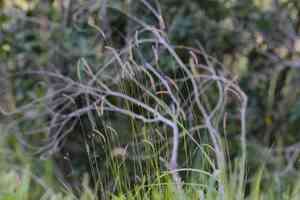
Fringed centipede grass, a warm-weather turf variety, thrives with yearly trimming in early spring or late winter to foster robust, thick development. The primary method entails reducing the grass to approximately 1-1.5 inches tall. This procedure, termed scalping, aids in clearing away dead leaves and thatch, thereby enhancing air and light access. Consistent mowing at the appropriate height throughout the growing period sustains vitality and a vibrant look. Trimming further boosts disease immunity and consistent coloration in this ground cover.
What Are the Benefits of Pruning Fringed Centipede Grass?
What Are the Benefits of Pruning Fringed Centipede Grass?
Trimming fringed centipede grass promotes robust development and maintains its attractive form. By selectively removing parts of fringed centipede grass, gardeners can encourage healthier, denser foliage and manage its size, ensuring a well-kept appearance.
What Is the Best Time for Pruning Fringed Centipede Grass?
What Is the Best Time for Pruning Fringed Centipede Grass?
Trimming or cutting fringed centipede grass during late winter or early spring aligns with the plant's dormant phase. This timing minimizes stress on fringed centipede grass, as its growth is slower and the risk of disease transmission is reduced. Additionally, pruning before the rapid growth period in spring stimulates healthier and more vigorous development. Removing dead or damaged foliage at this time benefits fringed centipede grass's overall health, ensuring resources are directed towards new growth.
What Tools Do I Need to Prune Fringed Centipede Grass?
Manual Grass Shears
For precise trimming and shaping of fringed centipede grass, manual grass shears enable gardeners to carefully cut and maintain the turf's edge without harming the plant.
Lawn Mower with Height Adjustment
To keep fringed centipede grass at its ideal height, a lawn mower with adjustable settings is crucial. This allows for an even cut that adheres to specific horticultural recommendations for the health of fringed centipede grass.
String Trimmer
For areas difficult for a lawn mower to access, especially around obstacles or borders, a string trimmer can be maneuvered to trim fringed centipede grass accurately without causing damage to the plant.
Pruning Shears
For removing any dead or yellowing blades of fringed centipede grass, pruning shears can be used with precision, ensuring clean cuts and maintaining plant health.
Leaf Rake
After pruning, a leaf rake is necessary to collect and remove clippings of fringed centipede grass, which helps prevent disease or pest infestation by keeping the area clean and free from debris.
How to Prune Fringed Centipede Grass
Inspect
Examine fringed centipede grass for indications of disease or wilting. Look for any discoloration, spots, or signs of pest damage on leaves that might suggest illness.
Sanitize
Disinfect your pruning tools with alcohol or a bleach solution to prevent the spread of any diseases during the pruning process.
Prune diseased
Using your sanitized tools, carefully remove diseased leaves from fringed centipede grass by cutting them at the base where they meet the stem. Avoid pulling leaves off to prevent damage to the plant.
Prune withered
Similarly, remove withered leaves from fringed centipede grass by snipping them at the base with your pruning tools. Ensure clean cuts to promote quick healing.
Dispose
Discard all pruned materials (diseased and withered leaves) away from the garden to prevent any potential disease from spreading to other plants.
Common Pruning Mistakes with Fringed Centipede Grass
Over-pruning
Removing too much foliage can stress fringed centipede grass, potentially leading to a weakened plant that's more susceptible to diseases and pests.
Improper cutting technique
Using dull tools or making jagged cuts can damage fringed centipede grass's stems, impeding proper healing and inviting infections.
Neglecting tool hygiene
Not sterilizing tools between plants can spread diseases to fringed centipede grass, which can be especially harmful if the species is sensitive to specific pathogens.
Pruning healthy tissue
Unnecessarily cutting away healthy growth can inhibit fringed centipede grass's vigor and performance, as these grasses rely on their foliage for photosynthesis and energy storage.
Ignoring plant shape
Failing to consider the natural growth habit of fringed centipede grass during pruning can result in an unnatural appearance and hinder its natural growth patterns.
Common Pruning Tips for Fringed Centipede Grass
Appropriate tool selection
Utilize sharp, clean shears or clippers specifically designed for grasses to ensure clean cuts that promote quick healing for fringed centipede grass.
Disease prevention
Disinfect tools before use on fringed centipede grass to prevent the introduction and spread of diseases, especially when pruning multiple plants.
Maintaining plant form
Prune with the natural shape of fringed centipede grass in mind to maintain an aesthetically pleasing form without disrupting its growth habits.
Pruning minimally
Limit pruning to the removal of dead or damaged foliage to conserve the energy reserves of fringed centipede grass and encourage continued healthy growth.
Post-pruning care
After pruning fringed centipede grass, provide adequate water and nutrients to support recovery and regrowth, ensuring the plant remains vigorous.



