The Fringed centipede grass Plant Advantage: Maximizing Home and Office Appeal and Wellness
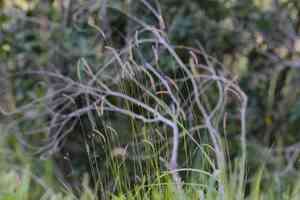
1
Fringed centipede grass tolerates dry conditions exceptionally well, ideal for arid regions.
2
It possesses superior capabilities for preventing soil erosion.
3
Fringed centipede grass provides a resilient and easy-to-care-for ground cover solution.
Why Consider Fringed Centipede Grass for Your Garden?
Drought Resilience
A standout characteristic of Fringed centipede grass is its remarkable drought resilience. Unlike many other turf varieties needing frequent irrigation, this grass thrives with minimal moisture. This makes it an ideal selection for regions experiencing dry spells or for gardeners aiming to conserve water. Its deep root structure enables it to access water from lower soil strata, sustaining it through prolonged arid periods.
Soil Erosion Prevention
Soil erosion is a prevalent issue that can lead to significant landscape damage and the depletion of fertile topsoil. Fringed centipede grass plays a vital role in mitigating this problem due to its dense, interconnected root network. These roots help bind the soil, preventing it from being washed away by rain or wind. This not only aids in preserving soil structure but also boosts the overall health of your garden.
How Fringed Centipede Grass Enhances Your Landscape's Health?
Minimal Upkeep
Fringed centipede grass is renowned for its low maintenance demands. Once established, it requires little to no fertilization or mowing, making it perfect for gardeners seeking a low-effort, high-reward ground cover. Its slow growth rate further reduces the need for frequent trimming. Additionally, Fringed centipede grass is relatively resistant to pests, meaning you won't need to invest heavily in pest control measures.
Adaptability to Various Soil Types
Another significant advantage of Fringed centipede grass is its ability to adapt to diverse soil conditions. Whether your garden features sandy, loamy, or clay soil, this versatile plant can establish and flourish with minimal soil amendments. This adaptability makes it a flexible choice for various landscaping projects, regardless of the existing soil composition.
What Are the Ecological Benefits of Fringed Centipede Grass?
Biodiversity Enhancement
Fringed centipede grass contributes to boosting local biodiversity by offering a habitat for various insects and small wildlife. Its dense foliage and root systems provide shelter and food sources for numerous species, fostering a balanced and thriving ecosystem in your garden. By incorporating Fringed centipede grass into your landscape, you can support local wildlife and contribute to environmental conservation efforts.
Reduced Carbon Footprint
Beyond its immediate ecological advantages, Fringed centipede grass also helps in lowering your garden's carbon footprint. As a robust and low-maintenance plant, it lessens the need for synthetic fertilizers and pesticides, minimizing chemical runoff into nearby water sources. Furthermore, its capacity to sequester carbon through its extensive root system aids in absorbing CO2 from the atmosphere, contributing to climate change mitigation.
Where Can You Utilize Fringed Centipede Grass in Your Garden?
Lawn Alternative
Fringed centipede grass can serve as an excellent substitute for traditional lawns, offering a lush, green appearance without the high maintenance requirements. Its durability and resistance to foot traffic make it suitable for areas with moderate use. Moreover, its aesthetic appeal can enhance the visual charm of your garden, creating a beautiful and functional outdoor space.
Erosion-Prone Zones
For areas in your garden susceptible to soil erosion, such as slopes or embankments, Fringed centipede grass can be particularly advantageous. Its robust root system effectively stabilizes the soil, preventing erosion and land degradation. By planting Fringed centipede grass in these vulnerable spots, you can maintain the structural integrity of your landscape while improving its overall look.
How to Plant and Care for Fringed Centipede Grass?
Planting Advice
To begin with Fringed centipede grass in your garden, prepare the soil by removing any weeds and ensuring it drains well. Plant the grass plugs or seeds in a sunny location, as Fringed centipede grass thrives in full sunlight. Ensure proper spacing between plants to allow for adequate growth and root system establishment.
Care Instructions
Once established, Fringed centipede grass requires minimal attention. Occasional watering during extended dry periods will help maintain its vigor, but it generally performs well with natural rainfall. Regularly check for and remove weeds to prevent competition for nutrients and water. Over time, you'll discover that this resilient plant integrates seamlessly into your garden, offering beauty and utility with little effort.



