How to Transplant Kawelu?
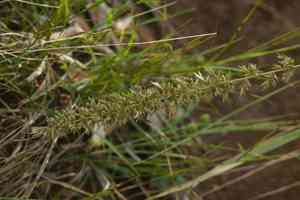
Kawelu flourishes when relocated from early spring through late spring, benefiting from mild temperatures and abundant precipitation. Select bright locations featuring soil that drains effectively; confirm adequate humidity to aid root establishment.
Essential Preparations Before Relocating Kawelu
Optimal Period for Kawelu Relocation
The prime season for moving kawelu spans from early spring through the latter part of spring. This period ensures the soil has warmed sufficiently, fostering strong root development. Transplanting during these months offers kawelu ideal growth conditions, leading to better establishment and healthier growth.
Recommended Spacing Between Kawelu Plants
When transplanting kawelu, aim for a separation of 12-18 inches (30-45 cm) between each plant. This provides ample room for growth and flourishing without resource competition.
Best Soil Mixture for Kawelu Relocation
Prepare the soil for kawelu by ensuring it is well-drained and loamy. Incorporate a foundational fertilizer, rich in nitrogen, to encourage vigorous growth. Compost or aged manure works excellently.
Optimal Location for Your Kawelu
Select a sunny spot for relocating kawelu. It thrives in full sunlight, requiring at least 6-8 hours of direct sun daily. A brightly lit area will help it flourish.
Equipment Needed Before Transplanting Kawelu
Gardening Gloves
To safeguard your hands while handling soil and plants.
Watering Can
For moistening the soil before plant removal and watering after transplanting.
Shovel or Spade
To excavate a trench around the plant for easier lifting from its original spot.
Trowel
For more precise digging and working around the root ball.
Pruning Shears
To trim any damaged or diseased roots or foliage.
Wheelbarrow
For safely moving the plant to its new location.
Mulch
To help retain moisture around the newly transplanted plant.
Stakes and Twine
To offer support if the plant is tall or top-heavy.
How to Extract Kawelu from the Soil
How to Extract Kawelu from the Soil
From Ground: First, hydrate the kawelu plant to moisten the soil. Next, dig a wide trench around the plant using a shovel or spade, ensuring the plant's root ball remains intact. Carefully work the spade beneath the root ball to lift the plant from its initial position.From Pot: Water the kawelu plant thoroughly. Gently tap the pot's sides to loosen the soil and roots. Carefully invert the pot while supporting the plant with your hand and slide the kawelu plant out, taking care not to harm the root ball.From Seedling Tray: Water the seedlings to facilitate easier soil manipulation. Use a trowel or your fingers to gently lift each kawelu seedling from the tray, ensuring as much of the root structure as possible remains intact.
Detailed Steps for Transplanting Kawelu
Prepare the New Site
Select an appropriate new location for your kawelu plant based on its sunlight and space needs. Clear the area of weeds and debris, then dig a hole slightly larger than the plant's root ball.
Ready the Plant
Trim any damaged or diseased roots or foliage from the kawelu plant using pruning shears. This helps the plant direct its energy towards establishing new roots.
Planting
Place the kawelu plant into the prepared hole, ensuring the top of the root ball is level with the surrounding soil. Backfill the hole with soil, gently pressing it down to remove air pockets.
Watering
Water the kawelu plant thoroughly after transplanting to help settle the soil around the roots and provide initial hydration.
Apply Mulch
Spread a layer of mulch around the base of the kawelu plant to help conserve moisture and regulate soil temperature.
Support
If the kawelu plant is tall or top-heavy, consider staking it with stakes and twine to provide support until it is well-established.
Post-Transplanting Care for Kawelu
Watering
Keep the soil around the kawelu consistently moist, but not waterlogged, for the initial few weeks after transplanting to aid in developing strong roots.
Monitoring
Regularly inspect the kawelu plant for signs of stress, such as wilting or yellowing leaves, and address any issues promptly.
Mulching
Maintain the mulch layer around the base of the kawelu to help retain moisture and suppress weeds.
Pruning
Trim any new shoots or leaves that appear damaged or diseased to encourage healthy growth.
Patience
Allow the kawelu plant time to adjust and establish itself in its new location. Avoid excessive handling or disturbing the plant unnecessarily.
Resolving Common Kawelu Transplantation Issues
When is the best time to transplant kawelu?
The optimal period to transplant kawelu is from early spring to late spring.
How much space should I leave between each kawelu plant?
Ensure a spacing of 12-18 inches (30-45 cm) between each kawelu plant.
How deep should I plant kawelu seedlings?
Plant kawelu seedlings at the same depth they were in their original container.
What kind of soil is best for kawelu?
Kawelu thrives in well-draining, sandy, or loamy soils with good organic matter.
Should I water kawelu immediately after transplanting?
Yes, thoroughly water kawelu right after transplanting to help the roots settle.
How can I prevent transplant shock in kawelu?
To prevent transplant shock, minimize root disturbance and keep the soil consistently moist.
What is the ideal temperature for transplanting kawelu?
The ideal temperature for transplanting kawelu is between 65-75°F (18-24°C).
How can I improve the survival rate of transplanted kawelu?
Gradually acclimate kawelu to outdoor conditions before transplanting to enhance its survival rate.
What should I do if kawelu shows signs of wilting after transplanting?
If kawelu wilts, ensure adequate watering and consider providing temporary shade.
Is fertilization needed after transplanting kawelu?
Apply a balanced, slow-release fertilizer after kawelu is established, typically a few weeks post-transplant.



