How to Prune Kawelu?
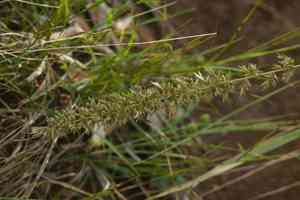
Kawelu, an indigenous grass variety, exhibits slender, fibrous foliage and is recognized for its hardiness across diverse environments. The primary trimming method entails cutting back mature growth to stimulate fresh sprouts. Ideal trimming times are early spring and winter, coinciding with its inactive and initial development phases. Consistent trimming improves air movement, lowers the chance of illness, and sustains its visual appeal. For superior outcomes, employ sanitized, keen implements and refrain from excessive trimming to safeguard the plant's vitality and inherent form.
What Are the Benefits of Pruning Kawelu?
What Are the Benefits of Pruning Kawelu?
Trimming kawelu encourages robust development, maintains its form, boosts resistance to pests and illnesses, and enhances its overall look. It aids in managing plant size, ensuring a well-maintained garden.
What Is the Best Time for Pruning Kawelu?
What Is the Best Time for Pruning Kawelu?
Trimming or cutting kawelu during early spring and winter is optimal due to its growth cycle. In early spring, before new growth starts, pruning helps shape the plant and remove any dead or damaged parts accumulated over winter. This timing ensures the plant has the entire growing season to recover and flourish, leading to vigorous growth. Winter pruning is also beneficial as kawelu is typically dormant, minimizing stress and the risk of disease or pest infestation. It allows gardeners to manage the plant's size and encourage healthy new growth in the upcoming season.
What Tools Do I Need to Prune Kawelu?
Bypass Pruners
Perfect for making precise cuts on stems without crushing them, thanks to their scissor-like action.
Hedge Shears
Useful for trimming and shaping larger clusters to maintain desired form and encourage healthy development.
Handheld Grass Shears
Effective for detailed trimming and deadheading, as they provide precise control over the cutting process.
Pruning Saw
Should be utilized for cutting through any thicker clumps or stalks that cannot be managed with shears or pruners, ensuring clean cuts and minimal plant damage.
How to Prune Kawelu
Inspect
Regularly check kawelu to spot any diseased or withered leaves. This assists in early detection and prevents further spread.
Disinfect Tools
Before beginning, sanitize your pruning tools to prevent pathogen transmission. Use a disinfectant solution like rubbing alcohol.
Remove Diseased Leaves
Carefully cut away any diseased leaves close to the base using sharp, disinfected scissors or pruners. Ensure the entire affected part is removed.
Remove Withered Leaves
Trim off withered leaves similarly close to their origin point without harming the healthy parts of kawelu. Make clean cuts to promote healing.
Clean Up
Gather all removed foliage and dispose of it properly to prevent disease spread. Keep the area around kawelu neat and free of debris.
Common Pruning Mistakes with Kawelu
Over-pruning
One of the most common errors with kawelu is removing too much of the plant at once. This can stress the plant and hinder growth, potentially causing long-term harm.
Improper technique
Using dull or dirty tools can result in jagged cuts that are more prone to disease. Avoid using blunt or contaminated tools to ensure clean cuts.
Incorrect timing
Pruning at the wrong time can lead to reduced vigor. While the best season for pruning has been covered, it's crucial to avoid any pruning during periods of extreme weather or stress.
Neglecting sanitation
Failing to disinfect pruning tools between cuts can spread disease. Always clean tools regularly when moving from one plant to another or between different sections.
Common Pruning Tips for Kawelu
Use sharp tools
Ensure all pruning tools are sharp and sterilized to make clean cuts, which helps prevent disease and promotes faster healing.
Focus on health
Promptly remove any dead, damaged, or diseased stems to maintain overall plant health. This will prevent disease spread and encourage strong growth.
Encourage air flow
Thin out crowded areas to improve air circulation and light penetration. This reduces the risk of fungus and helps the plant thrive.
Minimize stress
When pruning, only remove a small portion of the plant's total biomass (generally no more than one-third) to avoid excessive stress and promote steady growth.



