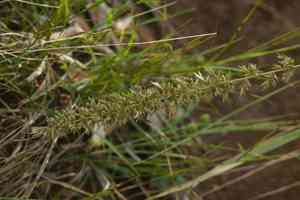
Kawelu (Eragrostis variabilis)
Also known as: Variable lovegrass
This perennial grass species shows a range of appearances. Its smooth, upright stems can grow up to or beyond 91 cm in height. The leaves and flower clusters differ in size, with panicles that can be either open and spreading or compact and spike-like. Notably, plants from the main Hawaiian islands appear distinct from those on other islands. Each pound of seeds contains approximately 3,136,000 seeds.
In This Article
Attributes of Kawelu
Lifespan
Perennial
Plant Type
Grass
Plant Height
30-80 cm
Spread
N/A
Leaf Color
Green
Flower Size
N/A
Flower Color
Pale green to brown
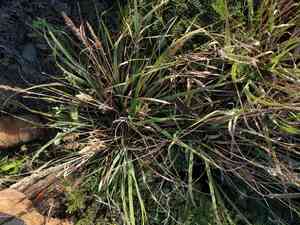
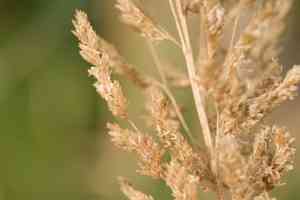
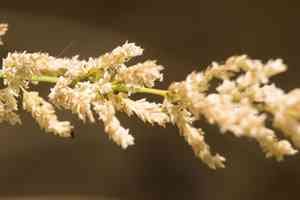
Images of Kawelu

Quickly Identify Kawelu
1
This grass can be identified by its tufted growth form, long and narrow leaves, and an inflorescence that is often a loose, open panicle. Additionally, the spikelets are small and generally have many florets.
Scientific Classification of Kawelu
Phylum
Vascular plants
Class
Monocotyledons
Order
Poales
Family
Grass
Genus
Lovegrasses
Species
Kawelu
Planting and Growing of Kawelu
Care Difficulty
Easy
Watering Schedule
Every 2 days
Sunlight Requirements
Full sun
Sunshine Duration
6-10 hours
Ideal Temperature
65-77℉
Soil Type
Potting Mix, Peat Mix
Soil pH
6.5-7.5
Fertilizer Type
Balanced
Pruning Season
Spring, Summer
Pruning Area
Branches, Leaves
Pruning Frequency
2 times a year
Repotting Season
Spring
Pot Type
Plastic, Ceramic
 How to Water Kawelu?
Eragrostis variabilis, known for its adaptability, requires a thoughtful watering approach. The key is to maintain consistently damp but not saturated soil. Aim for around 250ml per watering session to adequately moisten the root zone without leading to waterlogging.
What are the symptoms of an underwatered Kawelu?
›
What should I do if my Kawelu is not getting enough water?
›
What are the symptoms of an overwatered Kawelu?
›
How to save an overwatered Kawelu?
›
 What Are the Sunlight Requirements for Kawelu?
Eragrostis variabilis ideally requires full to partial sun, around six to eight hours daily. This exposure results in vibrant growth, prevents the plant from becoming leggy, and supports overall plant health.
What is the best lighting condition for Eragrostis variabilis?
›
How can you achieve ideal lighting conditions for this plant?
›
What are the benefits of ideal lighting conditions?
›
 What Is the Ideal Temperature Range for Kawelu?
The ideal temperature range for growing Eragrostis variabilis is between 65°F and 77°F. This range provides optimal conditions for growth and allows the plant to maintain its metabolic processes efficiently. Conditions within this temperature range help in maximizing photosynthesis, nutrient uptake, and ensuring robust plant development.
 What Soil is Best for Kawelu?
Eragrostis variabilis thrives best in well-drained soils as it prevents root rot by allowing excess water to escape quickly. This ensures the roots receive adequate oxygen, promoting robust growth and healthy foliage. This plant prefers soil with moderate nutrient levels, which means it doesn’t require overly rich or fertilized soil. Such conditions help in maintaining balanced growth without excessive foliage or weak stem structures. The plant can tolerate slightly alkaline soils which support optimal nutrient absorption and enzyme activity. This makes the mineral uptake process more efficient, ensuring healthy plant development.
 How to Fertilize Kawelu?
Eragrostis variabilis benefits from a balanced approach to fertilization. Utilize approximately 1 tablespoon of liquid fertilizer diluted to half strength per plant to avoid overfeeding. When opting for slow-release fertilizers, a single application of half a cup per square foot is effective. Adjust based on plant response and local soil conditions.
 How to Prune Kawelu?
First, identify any dead or yellowing stems in your Eragrostis variabilis. Gently separate these stems from the rest of the grass to ensure a cleaner pruning process. Snip the identified dead stems near the base of the plant. Be careful not to cut the healthy neon green stems which contribute to the plant's lush appearance. Trim around the base of the plant to maintain a pleasing shape. This can be either rounded or slightly angular, depending on your garden's design needs.
More About Pruning Techniques→
 How to Propagate Kawelu plant?
1
Fill the seed tray with a well-draining seed-starting mix. Moisten the mix slightly, ensuring it's damp but not waterlogged, to facilitate seed germination.
2
Scatter Eragrostis variabilis seeds over the surface of the mix. Cover them lightly with a thin layer of soil. Maintain consistent moisture by misting the soil gently.
3
For division propagation, gently dig up the mature plant. Using a sharp knife or spade, carefully separate the root clumps, ensuring each has viable roots and shoots.
 How to Repot Kawelu plant?
1
Knowing when to repot Eragrostis variabilis involves watching for certain signals like visible roots coming out of drainage holes, reduced growth, or water sitting on the surface longer. If any of these are present, it’s time to consider repotting.
2
Opt for a pot that provides good drainage. Eragrostis variabilis thrives in containers that ensure excess water can escape, thus preventing root rot. Ideally, choose a pot just a bit larger than the current one to give roots adequate space without overwhelming the plant.
3
Choosing the right soil is crucial for Eragrostis variabilis. A well-draining, sandy mixture is ideal, as it mimics their natural environment. This composition helps retain moisture without waterlogging the roots, promoting healthy growth.
Learn More About Kawelu Diseases
Anthracnose
Bacterial Leaf Spot
Bacterial Soft Rot
Chemical Injury
Cyst Nematode
Damping-off
Downy Mildew
Drought Stress
Fusarium Wilt
Gray Mold
Leaf Spot
Mosaic
Nutrient Deficiency
Nutrient Toxicity
Powdery Mildew
Root Rot
Root-knot Nematode
Rusts
Sooty Mold
Spider Mites
Temperature Stress
Thrips Damage
White Mold



