How to Propagate Kawelu?
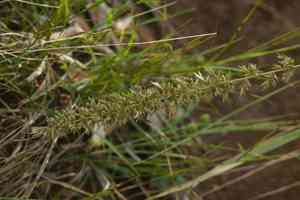
Kawelu, an indigenous perennial grass of the Hawaiian islands, is most effectively multiplied via division. This technique entails detaching the root masses and transplanting them into adequately draining soil that receives ample sunlight. Amend the soil by integrating organic material to enhance its drainage capabilities. Throughout the propagation procedure, verify that the separated portions possess robust roots and nascent shoots. Regular irrigation until fresh development takes hold is crucial for successful establishment.
What Is the Best Time To Propagate Kawelu?
Propagation Type
Division
Propagation Season
Spring,Autumn
What Tools Are Used in Kawelu Propagation?
Sharp Knife / Garden Spade
These implements are vital for cleanly separating kawelu clumps. The keen edge of the knife or spade minimizes harm to roots and plant tissues, lessening infection risk and encouraging faster recovery and development.
Rooting Hormone
A rooting hormone can be advantageous when planting divided sections to stimulate root formation and establish more robust plants quickly. It aids faster integration into new soil, especially for more delicate kawelu portions.
Garden Gloves
Wear gardening gloves to safeguard your hands while managing and dividing kawelu. They prevent injuries and help keep your hands clean and protected from any potentially harmful soil substances.
Watering Can/Drip Irrigation
Consistent and gentle hydration is crucial for newly divided kawelu sections to prevent shock and foster healthy root growth. A watering can or drip system ensures controlled and sufficient moisture levels without over-saturating.
Plant Labels
Utilizing plant labels assists in tracking divided kawelu sections and guarantees correct identification and care. This is particularly helpful if you are propagating multiple plant varieties simultaneously.
Mulch
Applying mulch around newly planted kawelu divisions helps retain soil moisture, regulate temperature, and suppress weeds, creating an optimal environment for root establishment and growth.
How to Propagate Kawelu?
Propagation Type
Easy
How to Care for Your Newly Propagated Kawelu?
How to Care for Your Newly Propagated Kawelu?
Post-propagation, kawelu needs consistent moisture, especially in the initial weeks for strong root development. Gradually decrease watering as plants become established. Avoid excessive watering to prevent root rot. Additionally, regular weeding and occasional feeding will support healthy growth. Monitor for pests and diseases, addressing issues promptly.
Common Mistakes to Avoid When Propagating Kawelu
Improper Soil Type
Using soil that is too dense or holds too much moisture can hinder root development and lead to potential root rot.
Overwatering
Excessive irrigation can create waterlogged conditions, resulting in root rot and stunted development.
Insufficient Light
A lack of adequate sunlight can cause weak, elongated growth and diminish the plant's overall vitality.
Neglecting Drainage
Failing to ensure proper drainage can lead to water accumulation around roots, encouraging fungal diseases.
Improper Spacing
Planting too close together can restrict air circulation, increasing disease risk and stunting growth.
Tips For Propagating Kawelu
Use Well-Draining Soil
Select a sandy or loamy soil mix to provide good drainage and prevent water retention problems.
Moderate Watering
Water sparingly, allowing the soil to dry out slightly between waterings to avoid root rot.
Adequate Light Exposure
Position kawelu in a spot that receives ample sunlight to ensure healthy, vigorous growth.
Ensure Good Drainage
Use pots with drainage holes or plant in well-draining areas to prevent water accumulation.
Proper Spacing
Ensure appropriate spacing between plants to maintain good airflow and reduce competition for resources.



