How to Transplant Sand lovegrass?
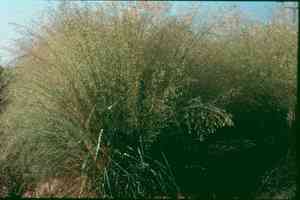
Sand lovegrass flourishes when relocated during the invigorating period of early to mid-spring or the milder mid to late autumn. Select a bright location featuring soil that drains effectively to guarantee peak development. Steer clear of overly wet zones for superior outcomes.
What Preparations are Needed Before Transplanting Sand Lovegrass?
What is the Ideal Time for Transplanting Sand Lovegrass?
Sand lovegrass, a perennial, is best moved during early to mid-spring or mid to late fall. These periods offer optimal soil moisture and moderate temperatures, aiding root establishment and growth. Transplanting at these times minimizes stress and maximizes the plantâs ability to thrive in its new spot.
How Much Space Should You Leave Between Sand Lovegrass Plants?
When relocating sand lovegrass, position each plant 12-24 inches (30-60 cm) apart to ensure proper development and air circulation.
What is the Best Soil Mix for Sand Lovegrass Transplanting?
For sand lovegrass, prepare well-draining soil enriched with compost. A sandy or loamy texture is most suitable. Incorporate a balanced base fertilizer, such as a 10-10-10 blend, to give the plants a strong start.
Where Should You Relocate Your Sand Lovegrass?
Place sand lovegrass in a sunny spot that receives full sun for 6-8 hours daily. Ample sunlight is vital for their growth and blooming.
What Equipments Should You Prepare Before Transplantation Sand Lovegrass?
Gardening Gloves
To safeguard your hands while handling soil and plants.
Shovel or Spade
For digging around and beneath the plant to lift it from its original position.
Trowel
To assist in loosening soil and for smaller excavation tasks.
Garden Fork
To carefully elevate the root ball if the soil is compacted.
Watering Can or Hose
To hydrate the plant before and after its relocation.
Mulch
To apply around the plant's base post-transplanting, helping retain moisture.
How Do You Remove Sand Lovegrass from the Soil?
How Do You Remove Sand Lovegrass from the Soil?
From Ground: First, water the sand lovegrass plant to moisten the soil. Then, dig a wide trench around the plant using a shovel or spade, ensuring the plant's root ball remains intact. Carefully work the spade under the root ball to lift the plant from its original location.From Pot: Water the sand lovegrass plant thoroughly to make the soil easier to manage. Gently tilt the pot to one side, holding the plant's base, and tap the pot's sides to loosen the root ball. Carefully slide the plant out, supporting the roots.From Seedling Tray: Water the sand lovegrass seedlings to dampen the soil. Use a trowel or your fingers to gently lift the seedlings from the tray, being careful not to harm the roots. Lift each seedling by the leaves, not the delicate stem.
Step-by-Step Guide for Transplanting Sand Lovegrass
Site Preparation
Prepare the new planting site by digging a hole twice as wide and the same depth as the root ball of your sand lovegrass plant.
Soil Amendment
Mix some compost into the excavated soil to enrich it, improving drainage and fertility.
Plant Removal
Follow the appropriate removal procedure for your sand lovegrass plant from its initial spot.
Plant Placement
Position the sand lovegrass plant in the center of the hole; the top of the root ball should be level with, or slightly above, the soil surface.
Soil Backfilling
Fill the hole with the amended soil, gently pressing around the root ball to eliminate air pockets.
Watering
Thoroughly water the relocated sand lovegrass to help settle the soil around the roots.
Mulching
Spread a layer of mulch around the plant's base, keeping it a few inches away from the stem to prevent rot.
How Do You Care For Sand Lovegrass After Transplanting?
Watering
Keep the soil around the sand lovegrass consistently moist, but not waterlogged, for the first few weeks post-transplant to aid in strong root establishment.
Monitoring
Regularly check the plant for signs of stress, such as wilting or yellowing leaves, and adjust watering as necessary.
Protection
If transplanting during hot or windy conditions, consider providing temporary shade or windbreaks to shield your sand lovegrass from extreme elements.
Fertilizing
Wait a few weeks before applying any additional fertilizer to allow the plant to adapt to its new environment.
Troubleshooting Common Issues with Sand Lovegrass Transplantation.
When is the best time to transplant sand lovegrass?
Early to mid-spring and mid to late fall are optimal for relocating sand lovegrass.
How much space should I leave between each sand lovegrass plant?
Allow ample room, 12-24 inches (30-60 cm), between each sand lovegrass plant for healthy development.
How should I prepare the soil for transplanting sand lovegrass?
Ensure well-drained soil and incorporate compost to help sand lovegrass establish roots quickly.
How deep should I plant sand lovegrass's rootball?
Plant sand lovegrass's rootball at the same depth it was in the pot for optimal results.
How often should I water sand lovegrass after transplanting?
Water moderately; keep soil moist but not saturated for the initial few weeks.
Do I need to fertilize sand lovegrass after transplanting?
A light application of balanced fertilizer can be beneficial, but avoid excessive fertilization.
What should I do if sand lovegrass shows transplant shock?
Provide additional water and avoid overexposure to direct sun. Allow it time to recover.
How can I prevent weeds around transplanted sand lovegrass?
Apply mulch around the base to retain moisture and inhibit weed growth.
Should I prune sand lovegrass before transplanting?
Trim any damaged or elongated roots, but refrain from heavy pruning to minimize stress.
How do I protect newly transplanted sand lovegrass from pests?
Use a natural insecticide and maintain a clean area to reduce pest infestations.



