The Sand lovegrass Plant Advantage: Maximizing Home and Office Appeal and Wellness
1
Sand lovegrass is recognized for its ability to prevent soil erosion, making it perfect for securing sandy ground.
2
This species tolerates dry conditions, needing little water after it's rooted.
3
Draws in beneficial insects like butterflies and bees, enhancing ecological variety.
Why is Sand lovegrass Beneficial for Soil Health?
Erosion Control
Sand lovegrass excels at preventing soil erosion. Its extensive root system binds soil particles, lessening the impact of wind and water erosion. This makes it an excellent choice for sandy areas or slopes, where soil erosion can be a significant problem.
Nutrient Retention
Beyond erosion control, Sand lovegrass also boosts soil fertility by holding vital nutrients. Its roots help capture and retain nutrients within the soil, preventing them from washing away. This is especially beneficial for agricultural lands, improving crop yields and reducing the need for chemical fertilizers.
How Does Sand lovegrass Contribute to Water Conservation?
Drought Resistance
A remarkable characteristic of Sand lovegrass is its ability to flourish in dry conditions. This plant needs minimal water once established, making it ideal for drought-prone regions. Its deep root system allows it to access water from deeper soil layers, ensuring survival during extended dry spells.
Efficient Water Usage
Sand lovegrass uses water very efficiently. Unlike many plants that need frequent watering, Sand lovegrass can maintain growth and health with significantly less water. This not only conserves water but also reduces maintenance effort, making it a sustainable option for private gardens and public landscapes.
What Role Does Sand lovegrass Play in Supporting Biodiversity?
Attracting Pollinators
Sand lovegrass is a magnet for pollinators like butterflies and bees. Its flowers offer a rich nectar source, supporting the local pollinator population. By planting Sand lovegrass, you contribute to ecosystem health by providing a habitat for these essential creatures.
Providing Habitat for Wildlife
Beyond attracting pollinators, Sand lovegrass also provides a habitat for various other wildlife species. Its dense foliage offers shelter for small animals and birds, creating a miniature ecosystem in your garden. This can enhance your area's biodiversity, making it more resilient to environmental changes.
Can Sand lovegrass Improve Aesthetic Appeal in Landscaping?
Versatile Design Options
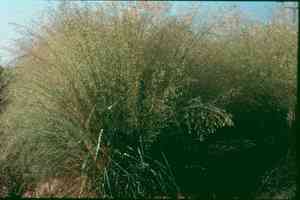
Sand lovegrass offers diverse aesthetic choices for landscaping. Its elegant, arching leaves and delicate flower heads add texture and movement to garden designs. Whether used as a border, ground cover, or in mixed plantings, Sand lovegrass can enhance any landscape's visual appeal.
Seasonal Interest
Sand lovegrass provides year-round appeal with its changing foliage colors and flowering periods. In summer, its lush green leaves and flowers are beautiful, while in autumn, the foliage turns a striking golden hue. This seasonal variation adds dynamic beauty to gardens and landscapes, keeping them attractive all year.
Is Sand lovegrass Easy to Care For?
Low Maintenance
A key benefit of Sand lovegrass is its low maintenance needs. Once established, this plant requires minimal care, making it an excellent choice for busy gardeners or beginners. Regular watering during initial growth and occasional trimming of dead foliage are usually enough to keep Sand lovegrass healthy and thriving.
Pest Resistance
Sand lovegrass is highly resistant to pests and diseases, further reducing the need for chemical treatments. Its natural resilience ensures it remains healthy and attractive with minimal effort, allowing you to enjoy its benefits without ongoing maintenance hassle.



