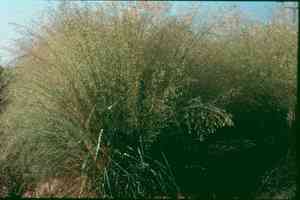
Sand lovegrass (Eragrostis trichodes)
Also known as: Sand Lovegrass
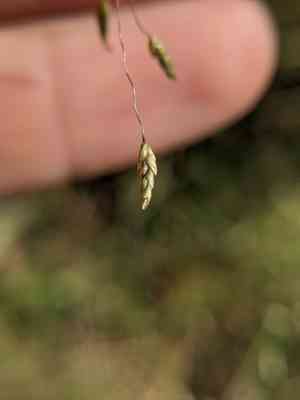
Eragrostis trichodes, or sand lovegrass, thrives predominantly in the sandy soils of the central and southern Great Plains' prairies. The plant's diffuse seedhead can make up nearly half of its total height.
In This Article
Attributes of Sand lovegrass
Lifespan
Perennial
Plant Type
Grass
Plant Height
91 cm to 1.8 m
Spread
90 cm
Leaf Color
Green
Flower Size
Not applicable (flowers are small and clustered in panicles)
Flower Color
Red Green
Images of Sand lovegrass
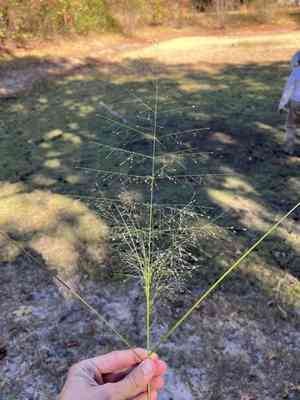
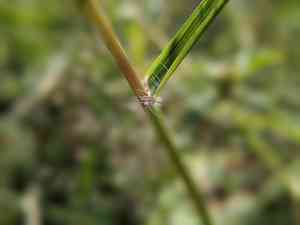
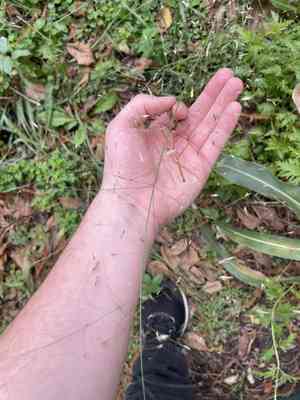
Quickly Identify Sand lovegrass
1
Eragrostis trichodes can be identified by its tall, airy flower heads and fine, hair-like leaves. The flowering panicles are open and spreading, giving the plant a delicate, feathery look.
Scientific Classification of Sand lovegrass
Phylum
Vascular plants
Class
Monocotyledons
Order
Poales
Family
Grass
Genus
Lovegrasses
Species
Sand lovegrass
Planting and Growing of Sand lovegrass
Care Difficulty
Easy
Watering Schedule
Every 2 days
Sunlight Requirements
Full sun
Sunshine Duration
4-8 hours
Ideal Temperature
65-80℉
Soil Type
Potting Mix, Peat Mix
Soil pH
6.5-7.5
Fertilizer Type
Balanced
Pruning Season
Spring, Summer
Pruning Area
Branches, Leaves
Pruning Frequency
2 times a year
Repotting Season
Spring
Pot Type
Plastic, Ceramic
 How to Water Sand lovegrass?
For Eragrostis trichodes, water until the soil is moderately moist but not soggy. This grass prefers well-drained soil, so make sure the excess water is flowing out of the pot. Aim for about 500 ml of water per session, ensuring that the roots are sufficiently hydrated but not drowning.
What are the symptoms of an underwatered Sand lovegrass?
›
What should I do if my Sand lovegrass is not getting enough water?
›
What are the symptoms of an overwatered Sand lovegrass?
›
How to save an overwatered Sand lovegrass?
›
 What Are the Sunlight Requirements for Sand lovegrass?
Eragrostis trichodes thrives best in full sun to partial sun conditions. Ensuring this light range enables optimal photosynthetic activity, leading to vigorous growth and robust foliage.
What is the best lighting solution for Eragrostis trichodes?
›
How can I ensure Eragrostis trichodes receives optimal lighting?
›
What are the benefits of providing ideal lighting to Eragrostis trichodes?
›
 What Is the Ideal Temperature Range for Sand lovegrass?
The ideal temperature range for Eragrostis trichodes is between 65°F and 80°F. This range supports robust growth and helps in maintaining healthy foliage. Temperatures within this range ensure proper photosynthesis and nutrient absorption, leading to a thriving plant.
 What Soil is Best for Sand lovegrass?
Eragrostis trichodes thrives in well-drained soils, preventing root rot and other water-related diseases. The ability of the soil to allow excess water to percolate ensures the plant remains healthy by avoiding prolonged wet conditions. This plant doesn't require nutrient-rich soils, making it adaptable to poorer soil conditions. By being less demanding, Eragrostis trichodes can be planted in areas with low soil fertility, reducing the need for heavy fertilization. Maintaining a soil pH between 6.5 and 7.5 is ideal for Eragrostis trichodes, as it optimizes nutrient uptake. This range ensures that essential nutrients are accessible, promoting healthy growth and robust foliage.
 How to Fertilize Sand lovegrass?
For Eragrostis trichodes, an ideal fertilization regime involves using a balanced fertilizer with an NPK ratio of 10-10-10 or similar. When applying liquid fertilizer bi-monthly, you should dilute it to half-strength to prevent nutrient burn. Each application should evenly cover the root zone to maximize fertilizer uptake, ensuring soil moisture assists in nutrient absorption.
 How to Prune Sand lovegrass?
Begin by identifying and removing any dead or yellowing leaves. Use sharp shears to cut the blades close to the base without damaging the healthy parts of the plant. After removing dead parts, shape the grass by trimming the upper foliage to encourage a uniform appearance. The plant will naturally grow in a graceful, fountain-like shape. Resist the urge to cut back too much foliage at once. This can stress the plant and hinder its regrowth, potentially affecting its elegant appearance. Collect all clippings and dispose of them properly. Leaving them in the garden can attract pests or lead to fungal diseases.
More About Pruning Techniques→
 How to Propagate Sand lovegrass plant?
1
Collect mature seeds from existing plants. Clean any pulp off the seeds and let them dry thoroughly. This process ensures good seed viability and helps prevent fungal infections.
2
Use a seed tray filled with well-draining potting mix. Spread the seeds evenly on the surface and lightly cover them with soil. Maintain a moist environment to facilitate germination.
3
Carefully dig up a mature clump using a garden spade. Gently separate the roots into smaller sections, ensuring each division has its own root system and shoots. Replant immediately.
 How to Repot Sand lovegrass plant?
1
It's best to repot Eragrostis trichodes when you notice that the roots are encircling the pot and drainage becomes sluggish. This typically happens every two to three years. Another sign that it's time to repot is if the plant seems stunted, as it might have outgrown its current container, impairing its overall health and vigor.
2
Select a pot that is just one size larger than the current one. It should have ample drainage holes to prevent water accumulation, which can lead to root rot. Using a slightly larger pot prevents excessive soil moisture and encourages robust root development, ensuring the plant doesn't become waterlogged.
3
Opt for a well-draining sandy soil mix with a balanced blend of organic and inorganic components. This mix prevents waterlogging and mimics the plant's natural habitat. The airy structure of sandy soil ensures roots receive plenty of oxygen, facilitating healthy plant growth and reducing the risk of fungal diseases.



