How to Prune Sand lovegrass?
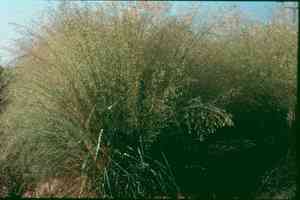
A perennial indigenous grass, sand lovegrass is prized for its delicate seed heads and slender structure. Trimming should mainly take place in early spring or during winter to eliminate aged foliage and foster new development. This practice not only preserves its form but also boosts its vitality, enabling it to flourish and more effectively withstand infestations. For sand lovegrass specifically, reducing its height to approximately 2-3 inches aids in stimulating robust new stems.
What Are the Benefits of Pruning Sand Lovegrass?
What Are the Benefits of Pruning Sand Lovegrass?
Trimming sand lovegrass promotes robust development and helps maintain its form, leading to a denser, more appealing look. Regular cutting can prevent excessive growth in garden settings and foster a healthier plant structure.
What Is the Best Time for Pruning Sand Lovegrass?
What Is the Best Time for Pruning Sand Lovegrass?
Pruning sand lovegrass in early spring is optimal, preparing the plant for strong growth during its active season. This timing allows for the removal of winter-damaged or dead foliage, encouraging healthier, denser growth as temperatures rise. Additionally, trimming before new growth begins ensures the plant's energy is directed towards developing strong new shoots, boosting overall vitality. Winter pruning is also beneficial because sand lovegrass is dormant then. This minimizes plant stress and reduces disease risk, as cuts heal faster before the active growing season. Furthermore, the absence of leaves during dormancy offers a clear view of the plant's structure, enabling more precise and effective pruning.
What Tools Do I Need to Prune Sand Lovegrass?
Hand Pruners
Perfect for trimming smaller, finer sand lovegrass clumps. They provide clean cuts without harming delicate grass blades, ensuring healthy regrowth.
Grass Shears
Effective for shaping and managing the size of sand lovegrass. Their long, sharp blades are ideal for cutting through thick clusters, allowing for precise shaping.
Garden Scissors
Suitable for detailed pruning tasks in sand lovegrass, especially in crowded garden areas where accuracy is vital to avoid damaging nearby plants.
How to Prune Sand Lovegrass
Identify
Locate and inspect sand lovegrass for any diseased or withered leaves. Carefully examine the foliage to determine which parts are unhealthy, paying close attention to any spots, discoloration, or deformities on the leaves.
Prepare
Ready your pruning tools. Ensure that the shears or scissors are clean and sharp to make precise cuts. This helps prevent disease spread and minimizes damage to sand lovegrass.
Cut
Carefully remove diseased and withered leaves from sand lovegrass. Cut the leaves at their base where they meet the stem or the nearest healthy part. Do not pull the leaves off as this may cause more damage to the plant structure.
Dispose
Properly discard the removed leaves. Do not compost diseased material; instead, throw it away or burn it if local regulations permit. This prevents the disease from spreading back to sand lovegrass or other nearby plants.
Health check
After pruning, perform a general health check of sand lovegrass,sand lovegrass ensuring no diseased areas are missed and the plant's overall structure appears healthy. Clean your tools again to prevent any cross-contamination in future uses.
Common Pruning Mistakes with Sand Lovegrass
Overpruning
A common error is removing too much growth from sand lovegrass, which can stress the plant and reduce its vigor. Sand lovegrass benefits from a gentle approach, as excessive cutting can hinder its natural form and growth.
Improper cut locations
Cutting sand lovegrass anywhere along the stem without considering the growth nodes can impede its ability to regenerate and produce new growth effectively. Properly targeting just above the nodes maximizes healthy regrowth.
Using dull tools
Utilizing dull pruning tools can damage sand lovegrass's delicate stems, leading to jagged cuts that heal poorly and increase the likelihood of disease.
Common Pruning Tips for Sand Lovegrass
Timing cuts
For optimal health and appearance, prune sand lovegrass early in the growing season to remove only dead or damaged foliage, allowing new growth to fill in.
Selective pruning
Focus on thinning rather than topping. Selective removal of some specific stems can encourage better air circulation and light penetration throughout sand lovegrass, enhancing its growth and robustness.
Clean tools
Always use sharp, clean tools to make precise cuts. This helps prevent disease from entering the pruning cuts and encourages quicker healing of the wounds.



