How to Transplant Red lovegrass?
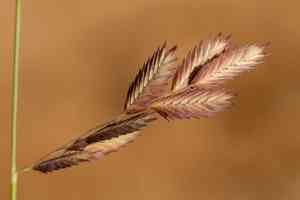
The optimal period for relocating red lovegrass extends from the mild temperatures of mid-spring through the pleasant weather of late spring. Select a bright area featuring soil that drains effectively to guarantee a successful move. Bear in mind, the placement is crucial for red lovegrass to flourish.
What Preparations are Needed Before Transplanting Red Lovegrass?
What is the Ideal Time for Transplanting Red Lovegrass?
The best period for relocating red lovegrass is during its vigorous early to mid-season growth, when warmer soil and gentle rain encourage root development. Moving red lovegrass at this time ensures a strong growth cycle, as stable temperatures and sufficient moisture create perfect conditions for root establishment. By choosing this timeframe, you give red lovegrass the best start, maximizing the season's benefits for a flourishing garden presence.
How Much Space Should You Leave Between Red Lovegrass Plants?
Before placing red lovegrass in its new spot, make sure to space them generously. Aim for 15-18 inches (38-45 cm) apartâthis provides each plant ample room to thrive and spread its beauty!
What is the Best Soil Mix for Red Lovegrass Transplanting?
The perfect bed for red lovegrass is well-draining soil with a touch of enchantment. Incorporate some compost or a balanced, slow-release fertilizer to give it a nutrient-rich beginning. A well-prepared bed will make red lovegrass feel completely at home!
Where Should You Relocate Your Red Lovegrass?
To enjoy the sun's splendor, red lovegrass requires a bright and warm location. Choose a spot where sunlight generously illuminates the garden for at least six hours daily. Red lovegrass will express its appreciation with vibrant growth!
What Equipments Should You Prepare Before Transplantation Red Lovegrass?
Gardening Gloves
To safeguard your hands while handling soil and plants.
Shovel or Spade
To excavate the plant and prepare the new planting site.
Watering Can or Hose
To hydrate the plant before and after its relocation.
Wheelbarrow or Garden Cart
For moving the plant and soil if needed.
Pruning Shears
To trim any dead or excess foliage prior to transplanting.
How Do You Remove Red Lovegrass from the Soil?
How Do You Remove Red Lovegrass from the Soil?
From Ground: First, moisten the red lovegrass plant to dampen the soil. Then, dig a wide trench around the plant using a shovel or spade, ensuring the plant's root ball stays intact. Carefully work the spade beneath the root ball to lift the plant from its original spot.From Pot: Water the red lovegrass thoroughly before beginning. Turn the pot sideways and gently tap the bottom to loosen the plant. If necessary, run a knife along the inner edge of the pot to help separate the roots from the container. Carefully slide the plant out, supporting the root ball.From Seedling Tray: Gently press from the cell's bottom to lift the red lovegrass seedling out. Hold the seedling by its root ball to avoid harming the stem or leaves.
Step-by-Step Guide for Transplanting Red Lovegrass
Preparing the New Site
Select a suitable area in your garden that meets the previously mentioned requirements. Begin by digging a hole that is twice as wide and the same depth as the root ball of your red lovegrass.
Root Ball Care
Inspect the root ball of your red lovegrass, and gently untangle any roots that are circling the edge to encourage outward growth once transplanted.
Placing red lovegrass in the Ground
Position the red lovegrass into the hole, ensuring it is at the same level it was growing before. Fill in around the root ball with the excavated soil, gently firming it down as you proceed.
Watering
Immediately after planting, water the red lovegrass generously at its base to settle the soil around the roots and help eliminate any air pockets.
Mulching
Apply a layer of mulch around the base of the red lovegrass, being careful to avoid direct contact with the stem. This will aid in retaining moisture and controlling weed growth.
How Do You Care For Red Lovegrass After Transplanting?
Monitoring Soil Moisture
Check the soil's moisture level regularly. The soil should feel damp, but avoid overwatering as this can lead to root rot.
Support Structures
If your red lovegrass is tall or appears unstable, consider using plant supports or stakes to help it maintain its structure until the roots are established.
Pruning
Remove any damaged or unhealthy leaves to direct the red lovegrass's energy towards establishing new roots rather than maintaining compromised foliage.
Pest and Disease Watch
Keep an eye out for common pests or signs of disease, as the red lovegrass may be more susceptible immediately after transplant.
Troubleshooting Common Issues with Red Lovegrass Transplantation.
What's the ideal time to transplant red lovegrass?
The perfect time is mid to late spring, allowing for strong root establishment before summer.
How far apart should I space red lovegrass when transplanting?
Aim for a spacing of 15-18 inches (38-45 cm), promoting good airflow and growth.
Why is my red lovegrass not thriving post-transplant?
Ensure you're watering sufficiently, avoiding both waterlogging and dry periods, and check for adequate sunlight.
Can I transplant red lovegrass in full sunlight?
Red lovegrass thrives in full sun. Make sure it's placed in a spot that receives ample daylight.
Should I fertilize red lovegrass after transplanting?
Light fertilization can be beneficial; however, it's crucial not to overdo it to prevent root burn.
What kind of soil is best for transplanting red lovegrass?
Choose well-draining soil that isn't overly rich; red lovegrass tolerates various soil types.
How do I prevent transplant shock in red lovegrass?
Transplant during cooler parts of the day, water thoroughly, and provide some initial shade.
How deep should I plant red lovegrass?
Plant at the same depth it grew previously to avoid burying the crown, which can cause rot.
Is mulching necessary after transplanting red lovegrass?
Mulch helps retain moisture and reduce weeds; a thin layer around but not touching the plant is ideal.
How to protect red lovegrass from pests after transplanting?
Regularly inspect for pests and use appropriate organic or chemical controls only when necessary.



