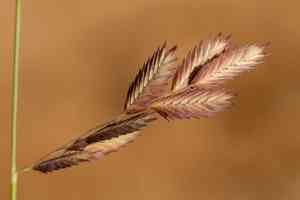
Red lovegrass (Eragrostis secundiflora)
Also known as: Red lovegrass
Red lovegrass (Eragrostis secundiflora) is a perennial bunchgrass native to North America, known for its tufted growth. It typically thrives in dry, sandy soils and is commonly found in open, sunny areas like prairies and grasslands. While it can be grazed by livestock, it is generally regarded as a low-quality forage. The name "red lovegrass" comes from the reddish hue of its flowers.
In This Article
Attributes of Red lovegrass
Lifespan
Perennial
Plant Type
Grass
Plant Height
20 cm to 70 cm
Spread
10 to 20 inches (25 to 50 cm)
Leaf Color
Green
Flower Size
1 cm to 15 cm
Flower Color
Reddish
Images of Red lovegrass
Quickly Identify Red lovegrass
1
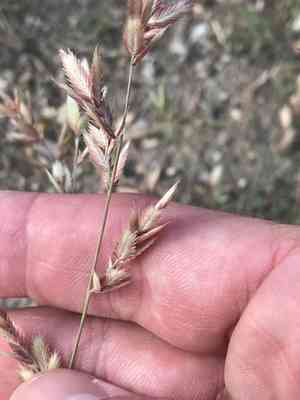
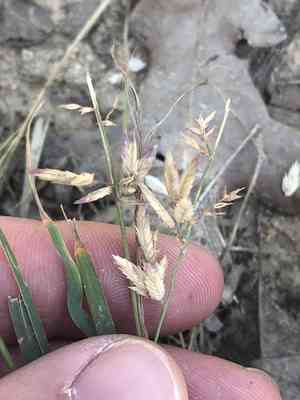
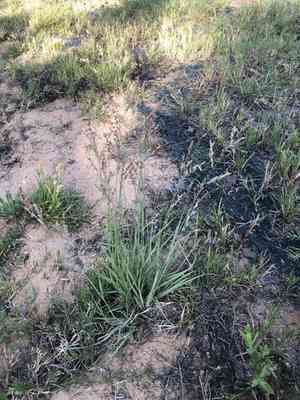
To identify Eragrostis secundiflora, look for its characteristic clump-forming growth habit, narrow leaves, and small, reddish spikelets arranged in an open panicle.
Scientific Classification of Red lovegrass
Phylum
Vascular plants
Class
Monocotyledons
Order
Poales
Family
Grass
Genus
Lovegrasses
Species
Red lovegrass
Planting and Growing of Red lovegrass
Care Difficulty
Easy
Watering Schedule
Every 2 days
Sunlight Requirements
Full sun
Sunshine Duration
4-6 hours
Ideal Temperature
70-85℉
Soil Type
Potting Mix, Peat Mix
Soil pH
6-8
Fertilizer Type
Balanced
Pruning Season
Spring, Summer
Pruning Area
Branches, Leaves
Pruning Frequency
2 times a year
Repotting Season
Spring
Pot Type
Plastic, Ceramic
 How to Water Red lovegrass?
For Eragrostis secundiflora, ensure each watering session provides about 200 milliliters of water. Water thoroughly until the soil is evenly moist but avoid waterlogging. This mimics the plant's natural environment, offering sufficient hydration while preventing root rot.
What are the symptoms of an underwatered Red lovegrass?
›
What should I do if my Red lovegrass is not getting enough water?
›
What are the symptoms of an overwatered Red lovegrass?
›
How to save an overwatered Red lovegrass?
›
 What Are the Sunlight Requirements for Red lovegrass?
Eragrostis secundiflora flourishes under full sun to partial sun. Optimal lighting enhances photosynthesis, strengthens structure, and improves drought tolerance.
What is the best light exposure for Eragrostis secundiflora?
›
How can you ensure Eragrostis secundiflora gets the ideal light?
›
What are the benefits of ideal lighting for Eragrostis secundiflora?
›
 What Is the Ideal Temperature Range for Red lovegrass?
The ideal temperature range for the growth of Eragrostis secundiflora is between 70°F to 85°F. Within this range, the plant can photosynthesize effectively, ensuring optimal growth and development. Keeping the temperature consistent with this range helps the plant to thrive and produce healthy foliage.
 What Soil is Best for Red lovegrass?
Eragrostis secundiflora thrives in well-draining soil conditions, which prevents root rot and ensures the plant doesn't sit in waterlogged conditions, offering stability and promoting healthy growth. The plant prefers soils of moderate fertility. Soils rich in organic matter support its growth, providing essential nutrients without overwhelming the plant's natural ability to adapt to varied environments. While it tolerates dry spells, consistent moisture availability can support thriving foliage and robust plant structure, maintaining the visual appeal of the plant throughout its growth cycle.
 How to Fertilize Red lovegrass?
Eragrostis secundiflora, also known as red lovegrass, responds well to moderate fertilization. When using liquid fertilizer, dilute it to half the recommended strength to prevent overfeeding. For solid fertilizers, apply approximately 1 pound of slow-release granules per 100 square feet annually.
 How to Prune Red lovegrass?
Begin by removing any dead or damaged leaves. This can be done at any time to improve appearance and airflow. Trim back any overgrown shoots, which encourages bushier growth. Cut just above a node to promote branching. Be mindful of the plant's natural shape and avoid over-pruning. After pruning, water the plant sufficiently to reduce stress and to help it recover. Adding a light layer of mulch or fertilizer can support new growth. Keep the plant in a suitable environment based on its light and temperature needs.
More About Pruning Techniques→
 How to Propagate Red lovegrass plant?
1
Fill the seed tray with a quality seed starting mix. Ensure the soil is moist but not waterlogged. This will provide the seeds with the necessary nutrients and moisture to germinate.
2
Place the Eragrostis secundiflora seeds evenly over the soil surface. Lightly press them into the soil to ensure good seed-to-soil contact, which is vital for successful germination.
3
Place the seed tray in a warm, light location. Keep the soil consistently moist but not too wet. Ideal temperature and light conditions will promote healthy seedling growth.
 How to Repot Red lovegrass plant?
1
Eragrostis secundiflora shows signs it's ready for repotting when its roots begin to circle around the pot, or if growth slows despite adequate care. Ideally, repot in spring or autumn to minimize stress, as the plant can recover better in these seasons.
2
Selecting the right pot for Eragrostis secundiflora is crucial. Opt for a container that is only slightly larger than the root ball to prevent over-watering. Ensure it has good drainage, which helps prevent root rot and promotes healthy root development.
3
For replanting Eragrostis secundiflora, choose a well-draining soil mix like sandy loam or a peat-based mix. This type of soil prevents waterlogging, encourages proper root aeration, and supports healthy plant growth by retaining the right amount of moisture.



