How to Prune Red lovegrass?
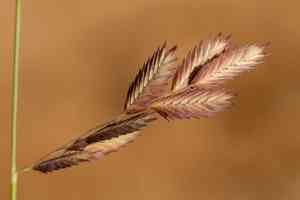
Red lovegrass, a unique warm-weather grass, flourishes with little upkeep. In early spring, cut back any deceased leaves to encourage fresh development. Trimming during winter is also beneficial, removing aged growth prior to its dormant period. Consistent cutting enhances air circulation, diminishes insect infestations, and fosters robust, thriving clumps. Performing these pruning tasks at these specific intervals corresponds with red lovegrass's natural development, guaranteeing peak vitality and the prominent display of its signature crimson flower heads.
What Are the Benefits of Pruning Red Lovegrass?
What Are the Benefits of Pruning Red Lovegrass?
Trimming red lovegrass promotes vigorous development and helps maintain its desired shape, fostering a lush and healthy foliage display. Strategic cuts improve light access and air circulation, crucial for vitality and form.
What Is the Best Time for Pruning Red Lovegrass?
What Is the Best Time for Pruning Red Lovegrass?
Pruning or trimming red lovegrass in early spring is optimal as the plant emerges from its dormant winter phase and prepares for active growth. Pruning at this time stimulates new growth, leading to a denser and healthier plant throughout the growing season. Alternatively, pruning red lovegrass in winter can also be effective since the plant's growth cycle has slowed, making it less vulnerable to pruning stress. Additionally, the plant's structure is more visible then, aiding in more precise cuts. Avoiding pruning during flowering or fruiting periods ensures the plant's reproductive capacity is unaffected and its ornamental value is preserved.
What Tools Do I Need to Prune Red Lovegrass?
Hand Pruners
Perfect for slender grass blades and small stems, allowing accurate cuts without harming red lovegrass.
Grass Shears
Excellent for shaping and trimming the edges of red lovegrass, providing a tidy overall appearance.
Long-Handled Loppers
Useful for reaching into dense clumps of red lovegrass to remove any dead or damaged foliage without straining your back.
Pruning Saw
Helpful for any thicker, tougher stems that hand pruners cannot easily cut through.
How to Prune Red Lovegrass
Sterilize tools
Before you start pruning red lovegrass, sanitize your cutting tools. This helps prevent the spread of diseases and fungi. Clean the blades with alcohol or a bleach solution and allow them to dry.
Identify
Examine red lovegrass closely to pinpoint diseased or withered leaves. These will typically appear discolored, shriveled, or visibly damaged compared to healthy, vibrant leaves.
Cut diseased leaves
Using the sterilized pruning tools, carefully remove the diseased leaves from red lovegrass. Make cuts at the base of the leaf where it meets the stem or at the next healthy node, ensuring a clean cut to aid healing.
Remove withered leaves
Similarly, trim away the withered leaves. These are usually older, lower leaves that may be drying out and can be removed to improve air circulation and overall plant health.
Cleanup
Dispose of all trimmed material away from red lovegrass to deter any pests or diseases from affecting the plant. Clean the tools again after finishing the pruning.
Common Pruning Mistakes with Red Lovegrass
Over-pruning
Removing too much foliage from red lovegrass at once can stress the plant, potentially leading to reduced vigor and fewer blooms.
Improper tool use
Using dull or dirty pruning tools can damage the stems of red lovegrass, leaving jagged cuts that make the plant susceptible to diseases.
Pruning into old wood
Cutting red lovegrass back too far into old, non-green wood can prevent the plant from sending out new shoots, as it might not regenerate effectively.
Neglecting to remove dead material
Skipping the removal of dead or diseased foliage may hinder air circulation and light penetration, which are essential for the health of red lovegrass.
Ignoring plant shape
Pruning without considering the natural shape of red lovegrass can result in an unnatural appearance and possibly impair growth.
Common Pruning Tips for Red Lovegrass
Selective thinning
Remove specific stems of red lovegrass to enhance air circulation and light penetration, encouraging healthy growth without altering the plant's natural form.
Maintain tools
Use sharp, clean pruning tools to make precise cuts that heal quickly, reducing stress and the chance of disease in red lovegrass.
Gradual rejuvenation
If red lovegrass requires significant pruning, spread it over multiple seasons. This approach avoids shocking the plant and supports steady recovery.
Height reduction
Cut back the top third of red lovegrass if height control is necessary, ensuring to make cuts above a leaf node for optimal regrowth.
Deadheading
Regularly remove spent flowers of red lovegrass to promote further blooming and prevent seed formation, which can reduce next season's growth.



