The Red lovegrass Plant Advantage: Maximizing Home and Office Appeal and Wellness
1
Red lovegrass improves soil quality with its widespread root network.
2
Excellent for preventing soil loss because of its thick growth habit.
3
Offers crucial living space for diverse animal populations.
Why is Red lovegrass Beneficial for Soil Health?
Natural Soil Enhancer
Red lovegrass is recognized for its extensive root system, which aids in breaking up compacted earth, allowing for improved air and water penetration. This, in turn, fosters a healthier and more fertile soil environment, ideal for the growth of various plants and crops.
Nutrient Recycling
The plant's inherent nutrient-recycling capabilities ensure that vital minerals are returned to the soil. This cycle boosts soil fertility, making it more suitable for other plants to flourish. It's an excellent choice for sustainable agricultural practices.
How Does Red lovegrass Assist in Erosion Control?
Dense Growth Pattern
Red lovegrass's thick growth habit makes it an effective tool in preventing soil erosion. The dense foliage covers the ground, lessening the impact of raindrops on the soil surface and minimizing the chances of soil particles being washed away.
Root Stabilization
The deep and widespread root system of Red lovegrass helps to stabilize the soil, preventing landslides and other forms of soil erosion. This is particularly advantageous in areas prone to heavy rainfall or wind erosion.
What Role Does Red lovegrass Play in Supporting Wildlife?
Habitat Creation
The plant provides an essential habitat for various wildlife species, including insects, birds, and small mammals. This makes it a key player in maintaining local biodiversity.
Food Source
Red lovegrass serves as a food source for many insects and animals, contributing to the natural food chain. By planting Red lovegrass, you're not only adding value to your garden but also supporting the ecosystem around you.
How to Incorporate Red lovegrass Into Your Garden?
Perfect for Ornamental Use
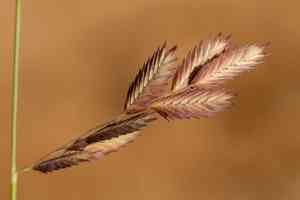
With its attractive appearance, Red lovegrass can be used as an ornamental grass in various garden settings. It adds aesthetic value while providing the ecological benefits mentioned above.
Easy Maintenance
Red lovegrass is relatively low-maintenance, making it an excellent choice for busy gardeners. It requires minimal watering and can thrive in a variety of soil types and environmental conditions.
Can Red lovegrass Be Used for Land Rehabilitation?
Restoring Degraded Lands
Because of its ability to improve soil quality and prevent erosion, Red lovegrass is often employed in land rehabilitation projects. It's an effective way to reclaim degraded lands and restore their ecological balance.
Environmental Sustainability
Using Red lovegrass in land rehabilitation supports environmental sustainability. It helps to rebuild soil structure and fertility, ensuring the long-term health of reclaimed lands.
What Are the Best Practices for Cultivating Red lovegrass?
Optimal Growing Conditions
For the best results, plant Red lovegrass in well-drained soil and ensure it receives ample sunlight. While it's a hardy plant, these conditions will help it thrive and provide the maximum benefits mentioned.
Seeding and Planting Tips
When seeding, ensure the seeds are distributed evenly and cover them lightly with soil. Water moderately until the plants are established. This will help in achieving a lush and dense growth pattern quickly.



