How to Transplant Little lovegrass?
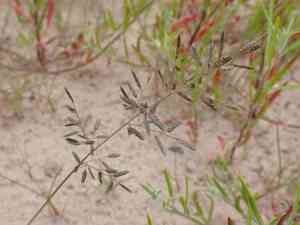
It is most favorable to transplant little lovegrass during the mild period of seasonal resurgence, specifically from the departure of frost until the sun reaches a higher elevation. Select a brightly lit spot, preserving little lovegrass's preference for illumination, thereby guaranteeing a seamless progression in its annual rhythm.
What Preparations are Needed Before Transplanting Little Lovegrass?
What is the Ideal Time for Transplanting Little Lovegrass?
The optimal period to relocate little lovegrass is during early spring, once the threat of frost has passed. This timing is vital as it allows little lovegrass to establish its root system in gradually warming soil, ensuring it benefits from the entire growing season. By choosing to move little lovegrass to your garden at this time, you provide it with the best opportunity to flourish, develop strong growth, and exhibit its full beauty throughout the summer. Additionally, the mild spring weather helps the delicate little lovegrass acclimate without the stress of extreme temperatures.
How Much Space Should You Leave Between Little Lovegrass Plants?
Hello, gardening enthusiast! Before planting your little lovegrass, plan to give them ample room to thrive. Position them 6-12 inches (15-30 cm) apart. This spacing promotes optimal development and a healthy, well-ventilated community of little lovegrass.
What is the Best Soil Mix for Little Lovegrass Transplanting?
To prepare the ground for your little lovegrass, incorporate organic material into well-draining soil. A careful application of a balanced, slow-release fertilizer will provide the gentle boost they need to settle into their new environment.
Where Should You Relocate Your Little Lovegrass?
Your little lovegrass enjoys abundant sunlight, so identify a sunny location where they will receive at least 6 hours of direct sun daily. This warm spot will help your little lovegrass flourish in the light and grow robustly!
What Equipments Should You Prepare Before Transplantation Little Lovegrass?
Gardening Gloves
To safeguard your hands while handling soil and plants.
Trowel
For excavating and shifting small quantities of soil.
Garden Spade or Shovel
To dig out little lovegrass and prepare the new planting area.
Watering Can or Hose
For hydrating little lovegrass before and after relocation.
Pruning Shears
For trimming any dead or excessive parts of little lovegrass prior to transplanting.
Wheelbarrow or Garden Cart
To move little lovegrass and soil to and from the new site.
How Do You Remove Little Lovegrass from the Soil?
How Do You Remove Little Lovegrass from the Soil?
From Ground: First, moisten little lovegrass to soften the soil, making it easier to manage. Using a trowel or garden spade, carefully dig a wide circle around little lovegrass to avoid root damage. Gently wedge the tool underneath and lift little lovegrass out with a substantial amount of surrounding soil.From Pot: Water little lovegrass thoroughly to ensure the soil is damp. Turn the pot sideways and gently tap the bottom and sides to loosen the root ball. Tilt little lovegrass slightly and carefully extract it, keeping the soil and root structure intact.From Seedling Tray: Dampen the soil before removing little lovegrass. Gently push the soil from the bottom of the cell or use a small stick to lift the seedling. Hold little lovegrass by its leaves, not the stem, to prevent harm.
Step-by-Step Guide for Transplanting Little Lovegrass
Prepare the New Site
Excavate a hole in the designated area that is twice the width of little lovegrass's root ball and of equal depth, to allow roots to spread easily.
Inspect the Plant
Examine little lovegrass's roots, trimming any dead or overly long roots with pruning shears. This promotes new growth.
Position little lovegrass
Place little lovegrass in the center of the new hole, gently spreading its roots. Ensure little lovegrass is at the same soil level as it was in its original spot.
Fill the Hole
Carefully backfill the hole with soil, gently firming it around little lovegrass to remove air pockets and provide stability.
Water Thoroughly
Immediately after planting, water little lovegrass generously to settle the soil and provide essential moisture for the roots.
Stabilize little lovegrass
If little lovegrass is tall or unstable, use plant supports to keep it upright and protect it from strong winds.
How Do You Care For Little Lovegrass After Transplanting?
Initial Watering
Water little lovegrass deeply right after transplanting. Maintain consistent moisture in the subsequent weeks, ensuring the soil stays damp but not waterlogged.
Mulching
Apply a layer of organic mulch around little lovegrass to retain moisture, regulate soil temperature, and reduce weed competition.
Weed Control
Keep the area around little lovegrass clear of weeds, which can compete for nutrients and water.
First Feeding
Refrain from fertilizing little lovegrass immediately after transplanting to avoid damaging delicate roots. Wait until little lovegrass shows signs of new growth, then use a balanced fertilizer as directed.
Troubleshooting Common Issues with Little Lovegrass Transplantation.
What's the best time to transplant little lovegrass?
The optimal period for relocating little lovegrass is from early to late spring, when temperatures are moderate.
How far apart should I transplant little lovegrass?
For ideal growth, space little lovegrass 6-12 inches (15-30 cm) apart.
Why is my little lovegrass wilting after transplant?
Wilting may be due to transplant shock. Ensure adequate watering and avoid direct sunlight for a few days.
Can little lovegrass withstand transplanting in summer?
Relocating little lovegrass in summer heat can stress the plant. Early to late spring is preferable for less stress.
How deep should the hole be for transplanting little lovegrass?
The hole should be slightly larger than little lovegrass's root ball for proper establishment.
How can I tell if my little lovegrass has enough water?
The soil should be moist but not saturated. Overwatering can cause root rot, while insufficient water may lead to wilting.
What should I do if leaves of little lovegrass turn yellow?
Yellowing leaves can indicate overwatering or poor drainage. Adjust watering and check for compacted soil.
Should I fertilize little lovegrass right after transplanting?
Wait a few weeks before fertilizing little lovegrass to prevent burning the roots while they are still fragile.
Can little lovegrass be transplanted on cloudy days?
Cloudy days are ideal for transplanting little lovegrass as they reduce stress by limiting exposure to intense sunlight.
What should I do if my little lovegrass isn't growing?
Ensure little lovegrass receives proper sunlight, water, and nutrient-rich soil. If conditions are met, patience is key; some plants require time to establish.



