How to Prune Little lovegrass?
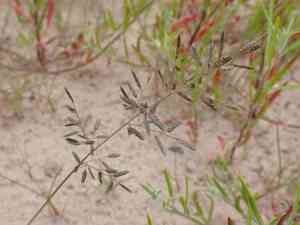
A resilient grass that grows in clumps, little lovegrass thrives with very little upkeep. Trim away any withered or discolored leaves to stimulate fresh development, usually in spring when it awakens from its dormant state. Gentle shaping during the summer months helps preserve its form and can deter seed production if preferred. In autumn, after the growing period concludes, cut it down to the soil surface to ensure a neat look and robust growth for the subsequent year. This trimming approach optimizes its well-being, fosters thick clusters, and boosts its aesthetic appeal.
Advantages of Trimming Little Lovegrass
Advantages of Trimming Little Lovegrass
Trimming little lovegrass promotes robust development by eliminating dead or weak stems, which enhances air circulation and light penetration. It also aids in preserving the desired form and size, leading to a neater, more controlled plant appearance.
Optimal Period for Pruning Little Lovegrass
Optimal Period for Pruning Little Lovegrass
Late spring is ideal for pruning little lovegrass as the risk of frost has passed, allowing the plant to recover without the stress of cold temperatures. Pruning during early summer supports healthy growth and helps to maintain the desired shape as little lovegrass is actively growing during this period. Early fall allows any new growth stimulated by pruning to harden off before the onset of winter, reducing the risk of damage from cold. These seasons align with little lovegrass's growth cycle, avoiding disruption during the flowering period and ensuring that the plant remains vigorous and can recover efficiently from pruning.
Necessary Tools for Pruning Little Lovegrass
Hand Pruners
Little lovegrass's relatively fine blades make it easy to snip without much force, which is why a pair of sharp hand pruners or secateurs is ideal. These allow for precise cuts that benefit the plant's delicate structure.
Grass Shears
Given little lovegrass's grass-like characteristics, grass shears are an excellent choice. They enable even trimming of leaves and stems to maintain shape and health.
Pruning Scissors
For thinner or smaller sections of little lovegrass, pruning scissors can be very handy for detailed work and removal of minor, unwanted growth.
How to Prune Little Lovegrass
Clean tools
Sanitize pruning shears with alcohol or a bleach solution to prevent disease transmission to little lovegrass.
Identify
Inspect little lovegrass to identify withered leaves that are dry or discolored, indicating they are no longer beneficial to the plant's growth.
Cut back
Trim the withered leaves at their base, cutting close to the ground to maintain little lovegrass's tidy appearance without damaging new shoots.
Collect
Remove and dispose of the cut material away from little lovegrass to reduce the risk of disease or pest infestation.
Monitor
Regularly monitor little lovegrass after pruning to ensure healthy regrowth and perform additional pruning if necessary.
Common Pruning Errors with Little Lovegrass
Overpruning
Removing too much foliage from little lovegrass can severely weaken the plant, as it relies on its leaves for photosynthesis and energy production. Gardeners should avoid cutting back more than one-third of the plant at a time.
Improper cut locations
Cutting little lovegrass in the wrong location can hinder its growth or cause injury to the plant. Prunes should be made just above a leaf or node to encourage new growth.
Pruning active growth
Trimming little lovegrass when it's actively growing can result in stress and diminished vitality. Gardeners should be cautious not to prune during growth periods unless removing dead or diseased foliage.
Neglecting sanitation
Failing to sanitize tools before pruning little lovegrass can introduce diseases to the plant. It's essential to clean and disinfect all cutting instruments before and after use.
Ignoring plant structure
Not considering the natural form of little lovegrass can lead to a loss of the plant's aesthetic and structural integrity. Pruning should maintain or enhance the plant's shape, not work against it.
General Pruning Advice for Little Lovegrass
Sharp tools
Using sharp, clean pruning shears or scissors ensures clean cuts that heal quickly, reducing the chance of disease and stress on little lovegrass.
Focused pruning
Concentrate on removing dead or dying foliage, along with any thin, weak stems. This helps to improve air circulation and focus little lovegrass's energy on healthy growth.
Natural shape
Prune little lovegrass in a way that maintains its natural shape and density, which is typically a mounded or tufted form, to minimize stress and keep it looking its best.
Gradual rejuvenation
For older or overgrown plants, prune gradually over the course of a few seasons rather than all at once. This allows little lovegrass to recover strength and minimizes the shock of a heavy prune.
Post-bloom trimming
After little lovegrass has finished flowering, light trimming can encourage a second bloom and help maintain denser foliage, ensuring the plant remains visually appealing throughout the growing season.



