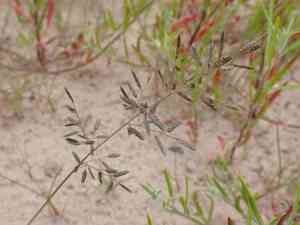
Little lovegrass (Eragrostis minor)
Also known as: Small love-grass, Spreading lovegrass
Needle-and-Thread Grass (Hesperostipa comata) is a common wild grass that forms tufts and serves as valuable fodder for livestock. Its seeds are equipped with small hooks, allowing them to hitch a ride on animal fur and spread far from the original plant.
In This Article
Attributes of Little lovegrass
Lifespan
Annual
Plant Type
Grass
Plant Height
46 cm to 61 cm
Spread
Not applicable
Leaf Color
Green
Flower Size
4 cm to 6 cm
Flower Color
Yellow Green Purple Brown
Images of Little lovegrass
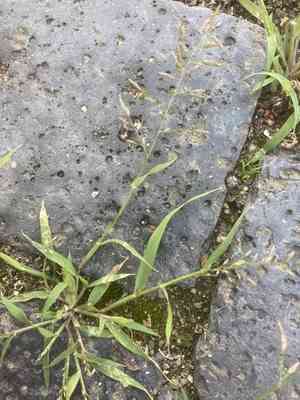
Quickly Identify Little lovegrass
1
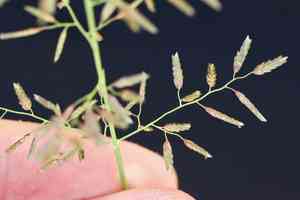
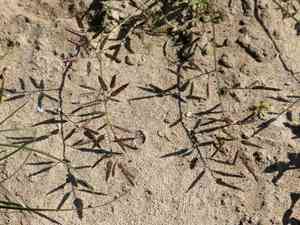
Eragrostis minor can be identified by its small size, delicate and wiry stems, and its distinctive inflorescence, which is an open, airy panicle with small, spikelet-like branches. The leaves are narrow and linear, often with a rough texture.
Scientific Classification of Little lovegrass
Phylum
Vascular plants
Class
Monocotyledons
Order
Poales
Family
Grass
Genus
Lovegrasses
Species
Little lovegrass
Planting and Growing of Little lovegrass
Care Difficulty
Easy
Watering Schedule
Every 2 days
Sunlight Requirements
Full sun
Sunshine Duration
6-10 hours
Ideal Temperature
68-77℉
Soil Type
Potting Mix, Peat Mix
Soil pH
6.5-7.5
Fertilizer Type
Balanced
Pruning Season
Spring, Summer
Pruning Area
Branches, Leaves
Pruning Frequency
2 times a year
Repotting Season
Spring
Pot Type
Plastic, Ceramic
 How to Water Little lovegrass?
Eragrostis minor, commonly known as lesser lovegrass, thrives in moderate moisture conditions. When watering, ensure the soil is moistened evenly without becoming waterlogged, typically requiring around 250 milliliters per session. Adequate watering facilitates healthy root development without causing stress from excess water.
What are the symptoms of an underwatered Little lovegrass?
›
What should I do if my Little lovegrass is not getting enough water?
›
What are the symptoms of an overwatered Little lovegrass?
›
How to save an overwatered Little lovegrass?
›
 What Are the Sunlight Requirements for Little lovegrass?
Eragrostis minor florets optimally under full to partial sun, where it receives at least 4-8 hours of sunlight. Adequate light supports healthy photosynthesis, enhances its lush green color, and aids flowering.
What is the optimal sunlight for Eragrostis minor?
›
How can we provide this ideal light setup?
›
What are the benefits of ideal lighting for Eragrostis minor?
›
 What Is the Ideal Temperature Range for Little lovegrass?
Eragrostis minor thrives best in temperatures ranging from 68°F to 77°F. This range provides optimal conditions for growth and metabolic functions, ensuring the plant remains healthy and lush. Proper monitoring and maintenance of this temperature range can significantly enhance the plant's growth potential and vigor.
 What Soil is Best for Little lovegrass?
Eragrostis minor thrives in nutrient-rich soils that provide essential minerals for robust growth. Utilizing a soil mix with adequate organic matter enriches the soil, promoting healthy root development and lush foliage. The plant prefers soils with excellent drainage capabilities, preventing waterlogging that could lead to root rot. Ensuring good aeration in the soil supports the plant's hydration needs without accumulation of excess water. While drainage is vital, the soil should also be able to retain some moisture to sustain the plant during dry spells. This balance aids in maintaining consistent access to water, essential for optimum plant health.
 How to Fertilize Little lovegrass?
Eragrostis minor, also known as little lovegrass, generally requires light fertilization. Use a balanced 10-10-10 fertilizer at a rate of 0.5 to 1.0 pound per 1,000 square feet. An excess in fertilizer can lead to nutrient run-off and damage to the plant itself.
 How to Prune Little lovegrass?
First, carefully inspect your Eragrostis minor for any dead or diseased blades, as well as crowded areas that need thinning. By identifying the parts that require attention, you can ensure your pruning efforts are targeted and effective, enhancing the plant's overall health and appearance. Use sharp pruning shears to remove dead foliage at the base of the plant. Trim back excess growth and thin out dense clusters to improve airflow and sunlight absorption. Be careful not to over-trim, as this can stress the plant. Aim to maintain its natural shape while reducing unwanted overgrowth.
More About Pruning Techniques→
 How to Propagate Little lovegrass plant?
1
Select healthy, viable seeds from Eragrostis minor. Ensure the seeds are clean and free from any damage or disease, which could affect germination and future plant health.
2
Fill the seed tray with a well-draining potting mix, and sprinkle the seeds evenly across the surface. Lightly cover the seeds with a thin layer of soil, as they require sunlight to germinate.
3
Gently water the seeds using a fine mist or watering can to avoid displacing them. Maintain consistent moisture in the soil to aid germination but ensure excess water can drain to prevent rot.
 How to Repot Little lovegrass plant?
1
Eragrostis minor should be repotted when you notice signs such as the roots appearing through the drainage holes, soil compacting, or the plant being top-heavy. Spring and summer are ideal seasons as the plant actively grows and can recover more swiftly from the stress of being repotted.
2
Select a pot that is just one size larger than the current one, with adequate drainage holes. A pot too large can hold excess moisture, leading to root rot, while a well-sized pot ensures space for growth without retaining excess water, promoting healthy root aeration.
3
Opt for a well-draining sandy loam soil. This provides good drainage and mimics the plant's natural environment, ensuring that excess water passes through easily, preventing root rot while also allowing the roots to take up necessary nutrients efficiently.



