The Little lovegrass Plant Advantage: Maximizing Home and Office Appeal and Wellness
1
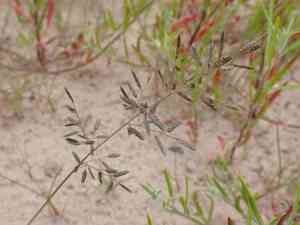
Eragrostis minor is recognized for its outstanding ability to prevent soil erosion.
2
This type of grass fosters diverse life by offering a home to different creatures.
3
Eragrostis minor is an easy-to-care-for plant that flourishes in diverse environmental settings.
Why Little Lovegrass is an Environmentally Friendly Option
Ecological Advantages
A primary advantage of Little lovegrass is its capacity to prevent soil erosion. Its dense root network binds the soil, preventing runoff and preserving soil integrity. This is especially beneficial in regions prone to heavy rainfall or land degradation. Furthermore, Little lovegrass thrives in poor soil, requiring minimal fertilizer and water, thereby conserving water and reducing chemical use.
Biodiversity Support
Little lovegrass offers a habitat for various insects, birds, and small mammals, fostering biodiversity. Its thick foliage provides shelter and nesting sites, while its seeds serve as a food source. Incorporating Little lovegrass into landscapes and gardens helps sustain local ecosystems and boost the area's biodiversity.
Benefits of Little Lovegrass for Landscaping and Gardening
Effortless Landscaping
Little lovegrass is an excellent option for low-maintenance landscaping. It demands less water and fertilizer compared to other grass types, making it a sustainable choice for gardens and green areas. Its resistance to drought and poor soil conditions means it can flourish with minimal human intervention, saving time, effort, and resources.
Visual Appeal
Beyond its practical uses, Little lovegrass also enhances the visual appeal of gardens and landscapes. Its fine texture and delicate, airy look can complement various garden styles, from naturalistic settings to formal designs. The plant's gentle swaying in the breeze adds a dynamic and calming effect to outdoor spaces, making it a visually pleasing addition.
The Importance of Little Lovegrass in Sustainable Agriculture
Soil Health Improvement
Little lovegrass significantly contributes to soil health. Its root system aids in aerating the soil, improving its fertility and structure. Organic matter from decaying plant material enriches the soil, boosting its nutrient content. This enhances the soil's ability to retain moisture and support healthy plant growth, making Little lovegrass vital for sustainable agricultural practices.
Reduced Agricultural Inputs
The minimal input requirements of Little lovegrass make it a cost-effective choice for sustainable farming. It lessens the need for synthetic fertilizers and pesticides, lowering overall input costs and minimizing the environmental impact of agricultural practices. This makes Little lovegrass an appealing option for farmers seeking more sustainable and eco-friendly farming methods.
Integrating Little Lovegrass into Urban Green Spaces
Green Roofs and Walls
Little lovegrass is well-suited for urban green spaces, including green roofs and living walls. Its low maintenance needs and adaptability to diverse conditions make it an ideal choice for these applications. Green roofs planted with Little lovegrass can help mitigate urban heat islands, manage stormwater runoff, and improve air quality.
Public Parks and Recreational Areas
In public parks and recreational areas, Little lovegrass offers a sustainable ground cover solution. Its resilience to foot traffic and ability to recover quickly after damage make it suitable for high-traffic zones. Additionally, its role in supporting biodiversity and enhancing the aesthetic value of parks makes it a valuable asset to urban landscape design.



