How to Transplant Water horsetail?
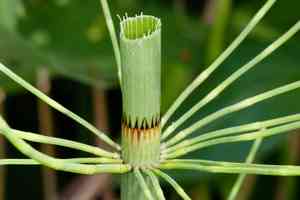
The optimal period for relocating water horsetail is mid-spring, a phase characterized by robust development. Select a location featuring moist earth and dappled sunlight. Should it be necessary, augment moisture retention around water horsetail following its transfer to aid in its establishment.
What Preparations are Needed Before Transplanting Water Horsetail?
What is the Ideal Time for Transplanting Water Horsetail?
Relocate water horsetail when the air is gentle and the ground begins to warm, typically from the emergence of early-season blooms until the start of summer. This period provides water horsetail with the mild temperatures and increasing daylight it needs for successful rooting. Moving water horsetail during this window ensures roots establish before summer's heat, free from frost stress. A friendly reminder: water horsetail flourishes when given a head start in calm weather, much like we enjoy a peaceful morning!
How Much Space Should You Leave Between Water Horsetail Plants?
When arranging your water horsetail, aim for a snug but not overly crowded environment. Ideally, position them approximately 12-24 inches (30-61 cm) apart. This provides each plant ample room to thrive while maintaining an organized garden.
What is the Best Soil Mix for Water Horsetail Transplanting?
Prepare a comfortable bed for your water horsetail using rich, loamy soil. Incorporate some all-purpose, slow-release fertilizer to provide them with initial nutrients. They will flourish with this early advantage!
Where Should You Relocate Your Water Horsetail?
Find a location for water horsetail where sunlight filters through. Partial shade is perfect — bright but protected from the intense midday sun. It's the cozy spot your plants will adore!
What Equipments Should You Prepare Before Transplantation Water Horsetail?
Gardening Gloves
To safeguard your hands while handling soil and plants.
Shovel or Spade
For excavating the plant and preparing the new planting site.
Watering Can or Hose
To thoroughly hydrate the plant before and after relocation.
Wheelbarrow or Garden Cart
To move water horsetail from its original spot to the new location.
Pruning Shears
For trimming any damaged roots or foliage prior to transplanting.
How Do You Remove Water Horsetail from the Soil?
How Do You Remove Water Horsetail from the Soil?
From Ground: First, moisten the water horsetail plant to soften the soil. Then, dig a wide trench around the plant using a shovel or spade, ensuring the plant's root ball remains intact. Carefully work the spade beneath the root ball to lift the plant from its original position.From Pot: Begin by watering water horsetail to facilitate the removal process. Turn the pot on its side, and gently tap the base and sides to loosen the root ball. Grasp the plant at its base and carefully ease it out of the pot, keeping the soil around the roots.From Seedling Tray: Water the seedling gently to dampen the soil. Use a small tool or stick to carefully remove the seedling from its cell, ensuring support for the root ball and minimal disturbance to the roots.
Step-by-Step Guide for Transplanting Water Horsetail
Preparation
Clear the area designated for transplanting. Remove any weeds or debris, and ensure all necessary tools are readily available.
Root Ball
Assess the size of the water horsetail's root ball. This will dictate the dimensions of the new hole, which should be twice as wide and equally deep as the root ball.
New Site Hole
Use the shovel or spade to excavate a hole at the new location. Ensure it's appropriately sized for the root ball and that the depth allows water horsetail to sit at the same level as its original position.
Transplanting
Gently place water horsetail in the center of the newly dug hole. Backfill around the root ball with soil and press down firmly to eliminate any air pockets.
Watering
Water the water horsetail thoroughly immediately after transplanting. This helps settle the soil and provides essential moisture for the plant.
How Do You Care For Water Horsetail After Transplanting?
Mulching
Apply a layer of mulch around the base of water horsetail to help retain moisture and suppress weeds. Avoid piling mulch directly against the stem or foliage.
Monitoring
Regularly inspect water horsetail for signs of stress such as wilting or yellowing leaves. Address any issues promptly to ensure healthy development.
Supporting Growth
Utilize stakes or plant supports if water horsetail exhibits instability or if it aligns with your garden's aesthetic to maintain an upright and structured appearance.
Continued Care
Continue providing adequate water, especially during the initial growing season after transplanting, until water horsetail is well-established.
Troubleshooting Common Issues with Water Horsetail Transplantation.
What's the best time to transplant water horsetail for optimal growth?
Relocate water horsetail from mid-spring to late spring, allowing it time to establish in mild temperatures.
How far apart should I space water horsetail when transplanting?
Space water horsetail 12-24 inches (30-60 cm) apart to ensure ample room for growth without overcrowding.
Why are my transplanted water horsetail plants wilting?
Wilting may be due to transplant shock. Ensure roots remain moist and avoid initial direct sunlight.
Should I fertilize water horsetail right after transplanting?
Wait a few weeks before applying fertilizer to prevent root burn while they are still delicate.
Why isn't my transplanted water horsetail thriving in its new spot?
Check for sufficient lighting, water, and if soil conditions match water horsetail's preferences. Adjust care as needed.
Can I divide water horsetail during transplanting? How?
Yes, gently separate at root nodes ensuring each section has roots and shoots, then replant immediately.
How do I prepare the soil for transplanting water horsetail?
Enrich the soil with organic matter and ensure good drainage to suit water horsetail's requirements.
Is it necessary to prune water horsetail when transplanting?
Trim damaged or excessive growth, but keep pruning minimal to avoid further stressing water horsetail.
What signs indicate successful transplanting of water horsetail?
New growth and the absence of prolonged wilting or discoloration are indicators that water horsetail is adapting well.
How should I water water horsetail after transplanting?
Water deeply immediately after transplanting and then maintain consistent moisture without waterlogging the soil.



