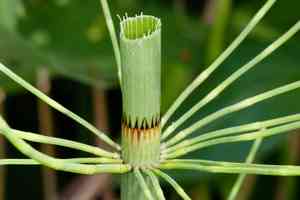
Water horsetail (Equisetum fluviatile)
Also known as: Swamp horsetail
Horsetail, an aggressive aquatic plant, is known for its ability to dominate other water plants. This winter-hardy species thrives in shallow waters with partial to full sunlight. Historically, its high silica content made it useful for scouring and sanding by early peoples.
In This Article
Attributes of Water horsetail
Lifespan
Perennial
Plant Type
Herb
Plant Height
61 cm to 1.2 m
Spread
70 cm
Leaf Color
Green Yellow Variegated
Flower Size
N/A (Horsetails do not produce flowers)
Flower Color
N/A (Horsetails do not produce flowers)
Images of Water horsetail
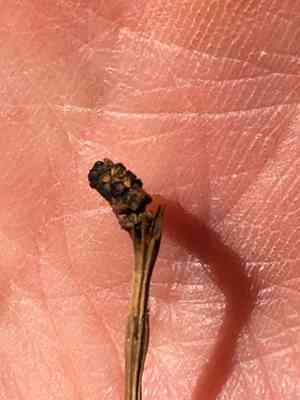
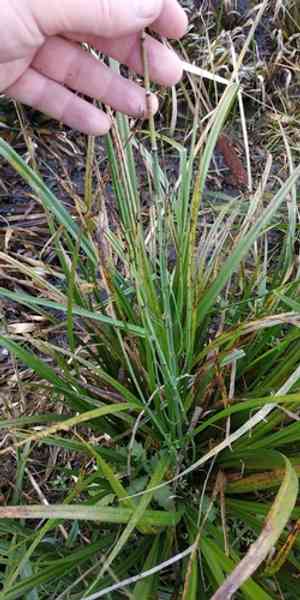
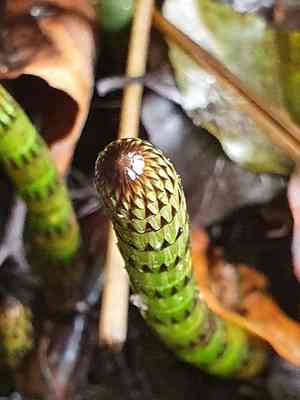
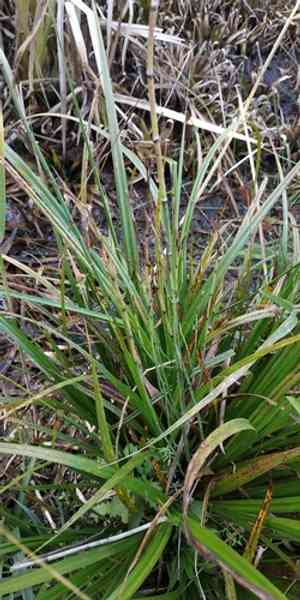
Quickly Identify Water horsetail
1
Equisetum fluviatile can be identified by its hollow, jointed stems that are typically green and have a rough texture. The stems are usually unbranched or have very few branches and can grow up to 1 meter tall.
Scientific Classification of Water horsetail
Phylum
Vascular plants
Class
Equisetopsida
Order
Equisetales
Family
Horsetail
Genus
Horsetails
Species
Water horsetail
Planting and Growing of Water horsetail
Care Difficulty
Easy
Watering Schedule
Every 6 days
Sunlight Requirements
Partial sun
Sunshine Duration
6-10 hours
Ideal Temperature
60-75℉
Soil Type
Potting Mix, Peat Mix
Soil pH
6.5-7.5
Fertilizer Type
Balanced
Pruning Season
Spring, Summer
Pruning Area
Branches, Leaves
Pruning Frequency
2 times a year
Repotting Season
Spring
Pot Type
Plastic, Terracotta
 How to Water Water horsetail?
For Equisetum fluviatile, water until the soil is thoroughly soaked. This plant thrives in wet conditions and often grows in marshy environments, so it appreciates a generous amount of water. Ensure the water penetrates deeply into the soil, reaching the roots, which can enhance its growth.
What are the symptoms of an underwatered Water horsetail?
›
What should I do if my Water horsetail is not getting enough water?
›
What are the symptoms of an overwatered Water horsetail?
›
How to save an overwatered Water horsetail?
›
 What Are the Sunlight Requirements for Water horsetail?
Partial sun with 4 to 6 hours of daily exposure is ideal. This range maintains optimal chlorophyll synthesis, ensuring lush foliage and robust structural growth, vital for maintaining ecological balance in its native habitat.
More About Sunlight Requirements Techniques→
How much light does Equisetum fluviatile need?
›
How to achieve ideal lighting conditions?
›
What are the benefits of ideal lighting?
›
 What Is the Ideal Temperature Range for Water horsetail?
The ideal temperature range for Equisetum fluviatile, also known as water horsetail, is between 60°F to 75°F. This range allows the plant to thrive and supports robust growth. Ensuring that the temperature remains within this range helps the plant to maximize its photosynthesis and reduces stress.
 What Soil is Best for Water horsetail?
Equisetum fluviatile thrives in wet soils. It requires consistently moist environments to simulate its natural habitats which are often boggy or marshy. This moisture ensures its rhizomes stay hydrated and promotes healthy growth. The plant benefits from nutrient-rich loamy soil. Rich soil provides essential nutrients that assist in its robust growth and vibrant health, enhancing its ability to photosynthesize efficiently. While it thrives in wet conditions, good drainage is still needed to prevent waterlogged roots. Proper drainage prevents root rot and other moisture-related diseases, ensuring longevity and vigor.
 How to Fertilize Water horsetail?
Equisetum fluviatile, commonly found in wetlands, doesn't demand heavy fertilization. When using liquid fertilizer, aim for a dilution to about half of the normal strength. For slow-release fertilizers, application should be modest, approximately one to two tablespoons per square foot of planting area.
 How to Prune Water horsetail?
To prune Equisetum fluviatile, start by using sharp scissors or pruning shears. Focus on removing any yellow or damaged stems as they might hinder the plant's growth. Trim the plant down to the desired height, usually around one-half of its current size, to maintain its aesthetic shape without inhibiting natural growth. Make clean cuts at an angle to encourage water runoff and inhibit disease development.
More About Pruning Techniques→
 How to Propagate Water horsetail plant?
1
Select a healthy Equisetum fluviatile plant with established, vigorous growth. The parent plant should not be too young, as the division of younger plants can stress them and hinder growth.
2
The soil should be prepped to be moist and rich, with good drainage capabilities. Ensure that the area is free from weeds and debris to facilitate healthy root establishment.
3
Carefully dig around the base of the plant with a garden spade to expose the rhizomes. Gently separate the rhizomes into clumps, ensuring each division contains several roots and shoots.
 How to Repot Water horsetail plant?
1
Equisetum fluviatile, commonly known as Water Horsetail, signals its need for repotting when you notice a significant slowdown in its growth or roots emerging from the drainage holes of the pot. These signs typically indicate that the plant has outgrown its current container and needs more space to thrive.
2
Selecting the appropriate pot for Equisetum fluviatile involves opting for a container slightly larger than the current one, ideally with ample drainage holes. A wider pot will accommodate its spreading root system and prevent waterlogging, which is crucial for a semi-aquatic plant like this one.
3
The ideal soil for repotting Equisetum fluviatile comprises equal parts of peat moss and sand. This mix ensures that the soil retains moisture necessary for its growth while also providing excellent drainage, mimicking the natural marshy environment to which it is accustomed.
Toxicity
Ingestion
WARNING
The judgment on toxicity and danger is for reference only. We DO NOT GUARANTEE any accuracy of such judgment. Therefore, you SHALL NOT rely on such judgment. It is IMPORTANT TO SEEK PROFESSIONAL ADVICE in advance when necessary.



