How to Propagate Water horsetail?
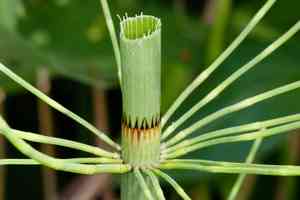
Equisetum fluviatile flourishes in damp settings and propagates through vegetative means. Cultivators must provide elevated moisture in the air to facilitate root development, which prospers in waterlogged or partially submerged substrate. Dividing robust stems or underground runners is crucial, ensuring correct node positioning. This method emulates the natural propagation of Equisetum fluviatile, so root formation should initiate readily, requiring only slight oversight for successful establishment.
Optimal Period for Water Horsetail Propagation
Propagation Method
Cutting
Propagation Period
Spring,Summer
Tools Required for Water Horsetail Propagation
Sharp cutting tool (such as pruning shears)
Essential for making clean, precise cuts during the propagation process, this tool minimizes damage to the parent plant and ensures a healthy cutting. Smoother cuts reduce infection risks and improve the chances of successful rooting and growth for water horsetail.
Rooting hormone powder or gel
This product boosts root development and increases the success rate of water horsetail cuttings. By stimulating root growth, the hormone helps cuttings establish themselves more quickly and effectively, vital for water-loving species like water horsetail that need strong roots for water and nutrient uptake.
Sterile planting medium
A sterile, well-draining soil mix, or a water-based medium like clean sand, is vital for water horsetail propagation. It prevents contamination and disease in new cuttings, supports healthy root growth, and maintains proper moisture levels, mimicking water horsetail's natural habitat.
Propagation tray or container
Used to hold the sterile medium and maintain an optimal growing environment for water horsetail, these containers help manage moisture levels and provide physical support to the cuttings. Proper containers also facilitate a controlled environment crucial during the early stages of water horsetail's root development.
Plastic covering or mini greenhouse
This tool maintains high humidity around water horsetail cuttings, crucial for root formation without dehydration. The covering simulates a microclimate similar to water horsetail's natural swampy environments, boosting overall propagation success.
Steps to Propagate Water Horsetail
Propagation Type
Easy
Post-Propagation Care for Water Horsetail
Post-Propagation Care for Water Horsetail
Once water horsetail has rooted and begun to grow, ensure the soil remains consistently moist, as water horsetail thrives in wet conditions. Avoid direct sunlight; it prefers partial to full shade. Gradual fertilization can start a month after rooting, using a balanced, slow-release fertilizer suitable for aquatic plants. Regular monitoring for pests or fungal diseases is also recommended. As water horsetail spreads readily, ensure ample space or consider planting barriers to restrict growth within desired areas.
Common Errors to Avoid When Propagating Water Horsetail
Improper Watering
Both overwatering and underwatering can severely impact water horsetail's health. Since water horsetail thrives in moist environments, insufficient watering can lead to drying out and death. Conversely, water stagnation from overwatering can cause fungal infections and root rot.
Substandard Soil Mix
Using a poorly draining or unsuitable soil mix can lead to water retention problems, which is detrimental for water horsetail, potentially causing root rot due to excessive moisture.
Ignoring Light Requirements
While water horsetail adapts to various light conditions, placing it in overly shaded or excessively bright environments can hinder its growth. It needs a balance for healthy photosynthesis without scorching.
Neglecting Growth Control
Water horsetail can be highly invasive if not properly managed. Allowing water horsetail to propagate unchecked can lead to it overtaking areas and potentially impeding the growth of other plant species.
Advice for Propagating Water Horsetail
Maintain Moisture Balance
Keeping the soil consistently moist without waterlogging is crucial for water horsetail's propagation. Aim to mimic water horsetail's natural environment by ensuring adequate drainage and steady moisture.
Utilize the Correct Soil Mix
Prepare a soil mix that allows for good drainage while retaining sufficient moisture. A mix of sand and peat can be ideal for water horsetail, simulating its preferred wetland habitat.
Provide Adequate Light
Ensure water horsetail is situated in an area that receives moderate light without being exposed to the intense midday sun. Dappled sunlight or partial shade often mirrors the natural growing conditions of water horsetail.
Control Through Division
Regularly dividing water horsetail and monitoring its spread is essential for managing its invasive nature. Propagate water horsetail by division to prevent overcrowding and to promote healthy growth conditions for both water horsetail and neighboring plants.



