How to Prune Water horsetail?
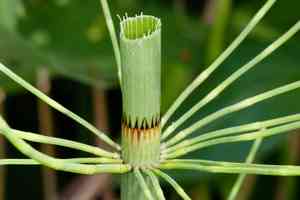
Distinguished by its segmented, hollow stalks and delicate, plume-like look, water horsetail is a perennial aquatic flora flourishing close to aquatic environments. Crucial trimming methods entail cutting back deceased or aged stems at their foundation to stimulate new development. The prime intervals for pruning are during spring and summer, periods of vigorous growth. Trimming in these seasons can boost the plant's robustness and avert excessive density, thereby improving air movement and light access within the plant's thick canopy.
Advantages of Trimming Water Horsetail
Advantages of Trimming Water Horsetail
Trimming water horsetail promotes robust development by reallocating energy to stronger shoots and preserves its desired form, helping to manage its expansion in aquatic environments.
Optimal Period for Trimming Water Horsetail
Optimal Period for Trimming Water Horsetail
The ideal time for pruning or trimming water horsetail is during Spring and Early Summer. These periods are favorable for trimming because water horsetail is actively growing, meaning cuts will heal faster, reducing disease risk and plant stress. Spring trimming allows for removal of dead or damaged stalks from winter, preparing water horsetail for vigorous growth. Early Summer trimming ensures the plant maintains an optimal shape and prevents overgrowth or excessive shading of nearby plants. Avoid trimming in late summer or fall, as new growth may not harden sufficiently before colder weather, which can harm the plant's health.
Tools Required for Trimming Water Horsetail
Sharp Scissors or Hand Pruners
Perfect for cutting through the relatively thin, hollow stems of water horsetail. They enable precise cuts without crushing stems, which is crucial to prevent plant damage.
Gloves
Recommended to shield the gardener's hands from the rough, silica-rich texture of water horsetail stems.
Garden Shears
Useful for trimming a larger section of water horsetail when needed. Ensure blades are clean and sharp for quick, clean cuts.
Waste Bin or Bucket
To collect and dispose of cut water horsetail stems efficiently, helping to keep the area tidy and reduce the spread of potential pests or diseases.
How to Trim Water Horsetail
Selective Removal
Identify and mark all diseased or withered leaves and stems on water horsetail, indicated by discoloration, spots, or an overall unhealthy appearance.
Sanitation
Sterilize your pruning tools with a solution of 1 part bleach to 9 parts water to prevent the spread of plant diseases during trimming.
Precise Cutting
Using sharp, clean scissors or hand pruners, carefully cut away diseased and withered leaves at their base where they meet the stem or shoot to prevent damage to the healthy parts of water horsetail.
Bisection Trim
Prune diseased stems of water horsetail by making a cut at least several inches below the affected area, ensuring you are into healthy, green plant tissue.
Post Prune Care
Remove all trimmed material from the area to decrease the likelihood of future disease transmission and consider applying a fungicide to the cut areas to protect water horsetail if disease was the reason for trimming.
Common Trimming Errors with Water Horsetail
Over-trimming
Removing too much of water horsetail's foliage can weaken the plant. It's crucial to trim only the necessary parts to maintain the plant's health and vigor.
Trimming Healthy Stems
Cutting back green, healthy stems of water horsetail is a mistake, as these are essential for the plant's growth and photosynthesis.
Tearing Stems
Using dull or improper tools can lead to tearing water horsetail's stems, which creates wounds susceptible to disease and pests. Clean cuts are important for the plant's recovery.
Ignoring Dead Material
Failing to remove dead or decaying elements can hinder water horsetail's growth and may lead to rot or fungal infections.
General Trimming Advice for Water Horsetail
Sharp Tools
Use sharp, clean pruning shears or scissors to make clean cuts on water horsetail, minimizing damage and the risk of disease.
Minimal Trimming
As water horsetail is a non-flowering, perennial plant, minimal trimming is usually required, focusing mostly on dead or damaged stems to encourage new growth.
Post-Trimming Care
After trimming water horsetail, ensure proper care, such as watering and providing adequate sunlight, to help the plant recover and thrive.
Protective Measures
Because water horsetail can be quite aggressive and even considered invasive, dispose of the trimmed material properly to prevent unintended spreading in other areas.



