How to Transplant Broad-leaved helleborine?
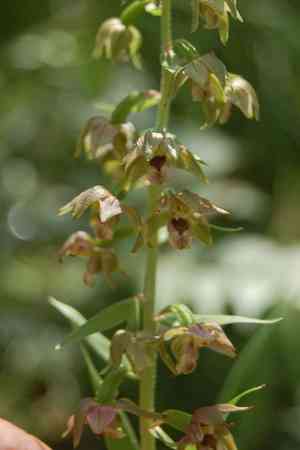
The most suitable period for relocating broad-leaved helleborine is in the milder weather of mid to late spring, which facilitates robust root development. Preferably, position broad-leaved helleborine in areas with partial shade and damp, adequately draining soil. During the transfer, guarantee very little disruption to the roots to promote an easy adjustment.
Essential Preparations Before Relocating Broad-leaved Helleborine
Optimal Period for Relocating Broad-leaved Helleborine?
The ideal window for moving broad-leaved helleborine is during the core of spring, specifically from mid to late spring. This timeframe is perfect because the ground has warmed sufficiently to promote root growth, yet it's not excessively hot to cause plant stress. Transplanting broad-leaved helleborine at this time ensures ample opportunity for a strong root system to develop before the full intensity of summer. It also aligns with broad-leaved helleborine's natural growth cycle, as it emerges from dormancy in spring, maximizing its ability to adapt to a new site. This approach aids in quicker recovery from transplant shock and vigorous growth.
Recommended Spacing Between Broad-leaved Helleborine Plants?
Good news! Moving broad-leaved helleborine is simpler than you might imagine. Just remember to maintain approximately 1-2 feet (30-60 cm) of distance between each plant. This will allow them to expand and flourish unhindered.
Preferred Soil Blend for Broad-leaved Helleborine Relocation?
You'll require soil that drains well, enriched with some foundational fertilizer. Broad-leaved helleborine thrives in slightly acidic to neutral, nutrient-rich, organic soil. Aim for a soil pH between 6-7. And always remember, healthier soil leads to a more robust plant!
Optimal Location for Your Broad-leaved Helleborine?
Let's discuss the perfect spot for broad-leaved helleborine. This plant favors filtered sunlight. Therefore, select a site that receives some sun, but also offers partial shade. The correct amount of sunlight can significantly impact how well broad-leaved helleborine develops.
Tools Required Before Moving Broad-leaved Helleborine
Gardening Gloves
To safeguard your hands while handling the broad-leaved helleborine plant and its surrounding soil.
Garden Shovel or Spade
For excavating the broad-leaved helleborine plant from its original spot and assisting in preparing its new home.
Garden Trowel
This smaller implement offers greater precision when working near the roots of the broad-leaved helleborine.
Watering Can
For hydrating the plant after its relocation to settle the soil around its root system.
Garden Pruners
To trim any damaged roots or foliage. Remember, a healthy broad-leaved helleborine plant is crucial for a successful transplant.
Method for Extracting Broad-leaved Helleborine from the Ground
Method for Extracting Broad-leaved Helleborine from the Ground
From the Ground: Begin by moistening the soil around the broad-leaved helleborine using a watering can. This facilitates digging and minimizes root damage. Excavate a wide trench around the plant with your garden shovel or spade, taking care not to harm the roots. Gently lift the plant from the ground, preserving as much of the root structure as possible.From a Pot or Container: Water the broad-leaved helleborine first to easily slide the root ball out of the pot. Afterward, invert the pot and gently tap it to release the plant, being cautious not to pull the plant by its stems, as this can cause injury.From a Seedling Tray: Water the broad-leaved helleborine seedlings before commencing the process. Carefully pry out the seedling using a dibber or pencil, ensuring gentleness with the plant's delicate roots. Lift the seedling by the leaf, not the stem, to prevent damage.
Step-by-Step Guide for Relocating Broad-leaved Helleborine
Preparation
Prior to relocation, thoroughly water the broad-leaved helleborine. This makes the plant less susceptible to shock.
Digging
At the new site, excavate a hole that is twice the width and the same depth as the root ball of your broad-leaved helleborine plant. This will provide ample space for the roots to spread and grow.
Positioning the Plant
Place the broad-leaved helleborine in the hole so that it sits at the same level it occupied in its original location. This can be verified by placing a stick or straight edge across the hole.
Refilling the Hole
Backfill the hole with soil, firming the earth around the lower roots. Remember not to cover the root collar (where the roots meet the stem) with soil, as this can lead to rot.
Watering
After relocation, thoroughly water the plant to settle the soil around the roots. This also helps eliminate any large air pockets that may have formed.
Post-Relocation Care for Broad-leaved Helleborine
Watering
Ensure the broad-leaved helleborine plant receives sufficient water, especially during the initial weeks after relocation. The soil should remain consistently moist, but never waterlogged.
Mulching
Help retain moisture and suppress weed growth by applying a layer of mulch around the plant, but be sure to leave a gap around the stem to prevent rot.
Pruning
Remove any dead or dying leaves from the broad-leaved helleborine to allow it to direct its energy towards new growth. Always remember to be gentle.
Resolving Common Issues with Broad-leaved Helleborine Relocation.
When is the best time to move broad-leaved helleborine?
The optimal period to move broad-leaved helleborine is during late spring or early summer (S2-S3). This timeframe allows sufficient time for new roots to establish.
What is the appropriate spacing for broad-leaved helleborine plants during relocation?
Space broad-leaved helleborine plants approximately 1-2 feet (30-60 cm) apart. This provides each plant with adequate room to grow without impeding others.
Why is my relocated broad-leaved helleborine plant wilting?
Broad-leaved helleborine may wilt after relocation due to shock. Water generously, maintain stable temperature and humidity, and the plant should recover.
How should I prepare the ground for broad-leaved helleborine relocation?
Ensure the soil is well-drained and enriched with compost or organic matter. Prior preparation helps broad-leaved helleborine establish more quickly post-relocation.
Why are the leaves of my relocated broad-leaved helleborine turning yellow?
This could be due to excessive watering or poor drainage. Ensure broad-leaved helleborine is watered correctly and the site has good drainage to prevent root rot.
How do I know if my broad-leaved helleborine plant is ready for relocation?
When broad-leaved helleborine has outgrown its container or its roots become congested, it indicates a need for more space and readiness for relocation.
Can I relocate broad-leaved helleborine in the autumn?
It is not advisable. Relocating broad-leaved helleborine in early summer helps it acclimate to its new environment before winter.
How to water broad-leaved helleborine after relocation?
Water broad-leaved helleborine generously immediately after relocation. Afterward, water regularly, keeping the soil moist but not waterlogged.
How deep should I plant broad-leaved helleborine?
Plant broad-leaved helleborine at the same depth it was in its previous pot. Planting too deep can cause root rot, while too shallow can lead to root desiccation.
What if my relocated broad-leaved helleborine is not blooming?
Lack of blooming could be due to stress from relocation or insufficient sunlight. Provide ample light and avoid sudden temperature changes to encourage flowering.



