How to Overwinter Broad-leaved helleborine
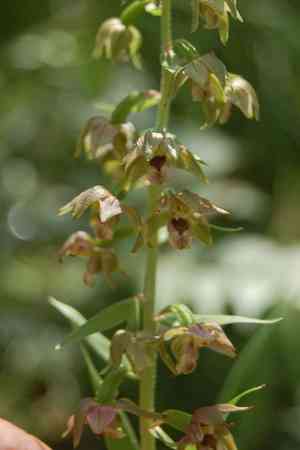
1
Broad-leaved helleborine tolerates cold well, simplifying its care during winter months compared to less resilient varieties.
2
Periodically inspect for typical cold-weather pests like slugs and aphids, which can harm your plants.
3
Applying mulch aids in preserving soil hydration and offers a protective layer for plant roots against freezing conditions.
Winter Care for Broad-leaved helleborine
Winter Care for Broad-leaved helleborine
Broad-leaved helleborine is well-adapted to colder climates due to its robust nature. Nevertheless, specific conditions must be met to guarantee the plant's health throughout the winter season. It's vital to position the plant where it receives some daylight but avoids becoming waterlogged. Additionally, a substantial layer of mulch can safeguard its roots from freezing temperatures.
Preparing the Site for Winter
Selecting the Ideal Spot
When getting your Broad-leaved helleborine ready for winter, location is paramount. Choose an area with partial to full shade, protected from strong winds. This plant prefers a sheltered spot to minimize the risk of frost damage.
Soil Preparation
For optimal overwintering, ensure the soil drains effectively. Broad-leaved helleborine thrives in rich, well-draining soil. Before the initial frost, loosen the top 5-10 centimeters (2-4 inches) of soil and incorporate some compost to enhance nutrient content and drainage.
Mulching and Insulating Broad-leaved helleborine
Mulch Varieties
To safeguard your Broad-leaved helleborine, using the correct type of mulch is essential. Organic materials such as straw, bark chips, or shredded leaves are excellent choices, offering good insulation and enriching the soil as they decompose.
Proper Mulch Application
Apply mulch around the plant's base, ensuring it covers an area as wide as the plant's canopy. The mulch layer should be approximately 5-8 centimeters (2-3 inches) deep. Be careful not to pile mulch directly against the plant stem, as this can lead to rot.
Winter Watering Requirements
Watering Frequency
During winter, Broad-leaved helleborine does not need frequent watering. Check the soil moisture every 2-3 weeks and water only if the top 2-3 centimeters (1 inch) are dry. Excessive watering can be harmful, leading to root rot.
Preventing Waterlogging
To prevent waterlogging, ensure the soil drains properly. If you observe standing water around your plants, improve drainage by adding more organic matter or creating raised beds if necessary. Using a well-draining mulch can also help prevent excessive moisture accumulation.
Managing Winter Pests and Diseases
Common Winter Pests
Winter pests like slugs, snails, and aphids can still pose a problem. These pests may hide in the mulch, so regular inspections are necessary.
Preventative Measures
To protect your plant, remove any debris or dead leaves from the base, as they can harbor pests. Consider using non-toxic slug pellets or diatomaceous earth to deter slugs and snails.
Treatment Options
For aphids, spraying a solution of water and a few drops of mild dish soap can be effective. Neem oil is also useful against various pests and is safe for Broad-leaved helleborine.
Monitoring and Maintaining Broad-leaved helleborine During Winter
Regular Inspections
Periodically examine your Broad-leaved helleborine for indications of stress or pest activity. Aim to do this at least once a week throughout the winter months.
Signs of Stress to Observe
Look for yellowing leaves, stunted growth, or mold. These symptoms can point to issues with watering, pests, or disease.
Adjusting Care as Needed
Modify your care routine based on these observations. If the plant appears waterlogged, reduce watering and enhance drainage. Address any pest problems promptly to prevent their spread.



