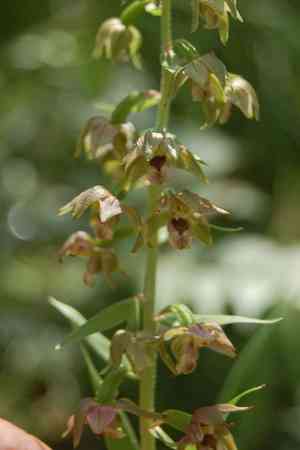
Broad-leaved helleborine (Epipactis helleborine)
Also known as: Bastard helleborine
The Broad-leaved helleborine (Epipactis helleborine) is a typical woodland orchid reaching heights of 30 to 91 cm. This plant features greenish-purple flowers that appear from late summer to early fall, drawing in bees with its enticing nectar. It thrives in shaded locations, such as along roadsides or within woodlands.
In This Article
Attributes of Broad-leaved helleborine
Lifespan
Perennial
Plant Type
Herb
Plant Height
92 cm
Spread
10 cm to 50 cm
Leaf Color
Green
Flower Size
3 mm to 4 mm
Flower Color
Green White Pink Purple
Images of Broad-leaved helleborine
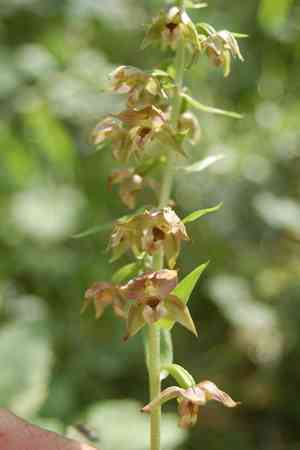
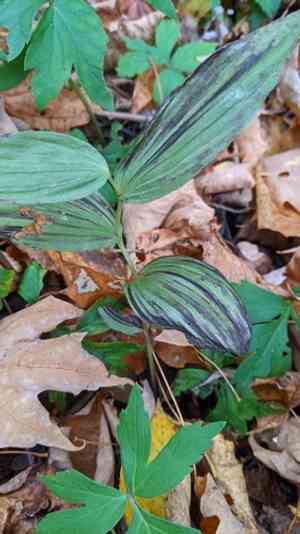
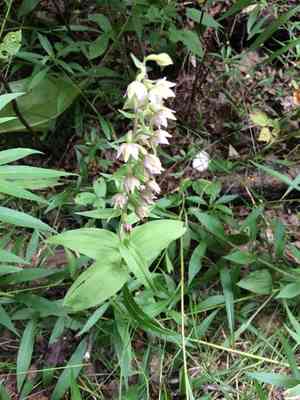
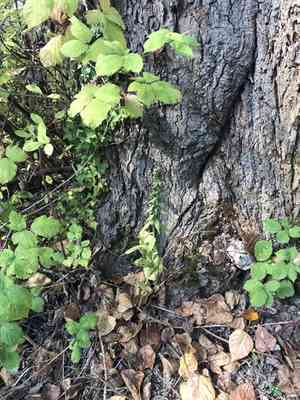
Quickly Identify Broad-leaved helleborine
1
Look for elliptical, dark green leaves that are arranged alternately along the stem. The flowers are small, greenish-pink to purplish, and clustered in a loose spike. The plant often has a slightly arched stem.
Scientific Classification of Broad-leaved helleborine
Phylum
Vascular plants
Class
Monocotyledons
Order
Asparagales
Family
Orchid
Genus
Helleborines
Species
Broad-leaved helleborine
Planting and Growing of Broad-leaved helleborine
Care Difficulty
Easy
Watering Schedule
Every 2 days
Sunlight Requirements
Partial sun
Sunshine Duration
4-8 hours
Ideal Temperature
60-75℉
Soil Type
Potting Mix, Peat Mix
Soil pH
6.5-7.5
Fertilizer Type
Balanced
Pruning Season
Spring, Summer
Pruning Area
Branches, Leaves
Pruning Frequency
2 times a year
Repotting Season
Spring
Pot Type
Plastic, Ceramic
 How to Water Broad-leaved helleborine?
Epipactis helleborine prefers moist, well-drained soil. Water until the soil is evenly moist, around 250ml, ensuring it is not waterlogged. The goal is to mimic its natural habitat, balancing moisture without oversaturating the roots.
More About Watering Techniques→
What are the symptoms of an underwatered Broad-leaved helleborine?
›
What should I do if my Broad-leaved helleborine is not getting enough water?
›
What are the symptoms of an overwatered Broad-leaved helleborine?
›
How to save an overwatered Broad-leaved helleborine?
›
 What Are the Sunlight Requirements for Broad-leaved helleborine?
Epipactis helleborine prefers a mix of partial sun to full shade, replicating woodland conditions. Such lighting fosters healthier foliage, optimal growth, and flowering, aligning well with the plant's adaptive nature in its native environments.
More About Sunlight Requirements Techniques→
What are the ideal lighting conditions for Epipactis helleborine?
›
How can one ensure these ideal lighting conditions indoors?
›
What are the benefits if ideal lighting conditions are met?
›
 What Is the Ideal Temperature Range for Broad-leaved helleborine?
For Epipactis helleborine, the ideal temperature range for optimal growth is between 60°F and 75°F. This range ensures that the plant can photosynthesize efficiently and absorb nutrients effectively. Maintaining this temperature helps prevent stress and promotes healthy development.
 What Soil is Best for Broad-leaved helleborine?
Epipactis helleborine thrives in well-drained soil, which prevents water stagnation around its roots. This is crucial as excess moisture can lead to root rot, a common issue in poorly drained soils. Well-drained conditions help maintain the plant's vitality, ensuring robust growth and flowering. This plant requires soil that retains some moisture yet isn't waterlogged. Sandy loam and loam are excellent as they provide the perfect balance, allowing for adequate water retention while still draining efficiently. This balance facilitates steady growth, especially during drier periods. Nutrient-rich soil is essential for the healthy development of Epipactis helleborine. A fertile ground rich in organic matter ensures a steady supply of nutrients, fostering strong root development and enhancing the plant's resistance to pests and diseases.
More About Soil→
 How to Fertilize Broad-leaved helleborine?
Epipactis helleborine prefers a gentle hand when it comes to fertilization. A diluted liquid orchid fertilizer is ideal, applied at half the recommended strength. For monthly liquid feedings, use about 1/2 teaspoon of 20-20-20 fertilizer mixed with one gallon of water.
More About Fertilizing Techniques→
 How to Prune Broad-leaved helleborine?
Always ensure your pruning tools are clean and sharp. This prevents the inadvertent spread of diseases and ensures clean cuts which promote faster healing. Dull tools can cause ragged cuts, which can be entry points for pathogens. Epipactis helleborine produces stunning flowers; hence, it's important to avoid cutting flowering stems during the blooming season. This ensures the plant's blooming cycle remains uninterrupted, allowing you to enjoy its beauty.
More About Pruning Techniques→
 How to Propagate Broad-leaved helleborine plant?
1
Collect ripe seeds from mature plants in late summer. Clean and dry the seeds before storing or planting. It’s crucial to ensure seeds are healthy and free from mold or pests.
2
Fill seed trays with a suitable orchid-friendly growing medium. Sprinkle seeds evenly across the surface and lightly press them into the soil. Do not cover them as they require light for germination.
3
Ensure the environment is warm and humid by utilizing germination mats and humidity domes. Check regularly to maintain appropriate moisture and temperature levels necessary for seed growth.
 How to Repot Broad-leaved helleborine plant?
1
Repotting should be done when the plant's roots are filling its current pot, often indicated by roots emerging from drainage holes or visible on the surface. Additionally, stunted growth or yellowing leaves might signal a need for fresh soil. The best seasons for repotting are spring and autumn when the plant is actively growing but not in full bloom or dormancy.
2
Select a pot that is one size larger than the current one. Ensure it has ample drainage holes to prevent waterlogging, which can lead to root rot. Pots made from breathable materials like terracotta are ideal as they allow excess moisture to evaporate, keeping the soil aerated and roots healthy.
3
Choose a rich, well-draining mix specific for orchids or that includes a mix of bark, perlite, and sphagnum moss. This kind of soil helps retain adequate moisture while providing the aeration necessary for healthy root development, mimicking the plant's natural environment and preventing root rot.
Toxicity
Ingestion
WARNING
The judgment on toxicity and danger is for reference only. We DO NOT GUARANTEE any accuracy of such judgment. Therefore, you SHALL NOT rely on such judgment. It is IMPORTANT TO SEEK PROFESSIONAL ADVICE in advance when necessary.
Learn More About Broad-leaved helleborine Diseases
Anthracnose
Bacterial Leaf Spot
Bacterial Soft Rot
Bacterial Wilt
Black Spot
Chemical Injury
Crown Gall
Cyst Nematode
Damping-off
Downy Mildew
Drought Stress
Fusarium Wilt
Gray Mold
Leaf Spot
Mosaic
Nutrient Deficiency
Nutrient Toxicity
Powdery Mildew
Root Rot
Root-knot Nematode
Rusts
Sooty Mold
Spider Mites
Temperature Stress
Thrips Damage
White Mold



