How to Transplant Siskiyou willowherb?
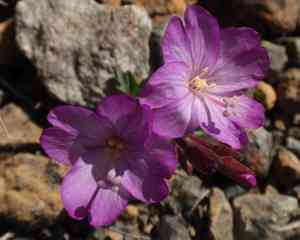
Relocating siskiyou willowherb is most successful from early to mid-spring or during mid-autumn. These intervals provide ideal ground moisture and warmth for root development. Select a site receiving full sun to partial shade with soil that drains effectively. Moving the plant during these seasons reduces strain on siskiyou willowherb.
What Preparations are Needed Before Transplanting Siskiyou Willowherb?
What is the Ideal Time for Transplanting Siskiyou Willowherb?
Siskiyou willowherb, a perennial, flourishes when moved in early to mid-spring or mid-fall due to mild temperatures and increased soil moisture. These conditions lessen transplant shock, promoting better root establishment. Relocating during these periods enhances the plantâs adaptation to its new setting, ensuring vigorous growth and resilience.
How Much Space Should You Leave Between Siskiyou Willowherb Plants?
Ensure each siskiyou willowherb plant is spaced approximately 18 to 24 inches (45 to 60 cm) apart to allow ample room for growth and comfortable spreading.
What is the Best Soil Mix for Siskiyou Willowherb Transplanting?
Prepare well-draining soil enriched with compost. A loamy soil with a balanced base fertilizer containing equal parts nitrogen, phosphorus, and potassium is optimal for siskiyou willowherb. Avoid dense, clay-rich soil.
Where Should You Relocate Your Siskiyou Willowherb?
Select a site with full sun or partial shade. Siskiyou willowherb thrives best in spots where it can receive at least 6 hours of daily sunlight.
What Equipments Should You Prepare Before Transplantation Siskiyou Willowherb?
Gardening Gloves
To safeguard your hands while handling soil and the plant.
Shovel or Spade
To excavate the planting hole and aid in removing the plant from its original spot.
Garden Trowel
For more precise digging around the root ball.
Watering Can or Hose
To hydrate the plant before and after its relocation.
Pruning Shears
To trim any damaged or excess roots or foliage.
How Do You Remove Siskiyou Willowherb from the Soil?
How Do You Remove Siskiyou Willowherb from the Soil?
From Ground: First, water the siskiyou willowherb plant to moisten the soil. Then, dig a wide trench around the plant using a shovel or spade, ensuring the plant's root ball remains intact. Carefully work the spade beneath the root ball to lift the plant from its original location.From Pot: Water the siskiyou willowherb plant thoroughly before removal. Gently tap the pot's sides to loosen the soil. Hold the plant at its base and carefully invert the pot, allowing the plant to slide out. If roots are tangled, gently separate them.From Seedling Tray: Water the siskiyou willowherb seedling before removal. Use a garden trowel to gently lift the seedling from the tray, ensuring you keep as much of the root system intact as possible.
Step-by-Step Guide for Transplanting Siskiyou Willowherb
Hole Preparation
Dig a hole in the new location that is twice as wide and just as deep as the siskiyou willowherb's root ball.
Soil Preparation
Improve the soil at the bottom of the hole to enhance drainage and nutrient levels.
Plant Positioning
Place the siskiyou willowherb plant into the hole, ensuring the top of the root ball is level with the ground surface. Fill in around the root ball with the excavated soil, gently compacting it to remove air pockets.
Watering
Water the siskiyou willowherb thoroughly after transplanting to help settle the soil around the roots.
Mulching
Apply a layer of mulch around the base of the siskiyou willowherb to retain soil moisture and regulate temperature.
How Do You Care For Siskiyou Willowherb After Transplanting?
Watering
Keep the soil around the siskiyou willowherb consistently moist, but not waterlogged, for the initial weeks post-transplant to aid in strong root establishment.
Monitoring
Regularly check the siskiyou willowherb for signs of transplant shock, such as wilting or yellowing leaves. Provide additional care if needed.
Pruning
Trim any damaged or dead foliage to encourage new growth.
Mulching
Replenish mulch as necessary to maintain soil moisture and temperature.
Troubleshooting Common Issues with Siskiyou Willowherb Transplantation.
When is the best time to transplant siskiyou willowherb?
Transplant siskiyou willowherb in early to mid-spring or mid-fall for optimal root establishment.
What spacing should be maintained when transplanting siskiyou willowherb?
Ensure a spacing of 18-24 inches (45-60 cm) between each siskiyou willowherb to allow proper growth.
How deep should the planting hole be?
Dig a hole twice as wide and just as deep as the root ball of siskiyou willowherb.
What type of soil is ideal for siskiyou willowherb?
Use well-draining soil enriched with organic matter to provide the best conditions for siskiyou willowherb.
How do I prevent transplant shock in siskiyou willowherb?
Water thoroughly and keep the soil consistently moist to help siskiyou willowherb acclimate to its new location.
Should siskiyou willowherb be fertilized after transplanting?
Yes, apply a balanced fertilizer after transplanting to encourage robust root development in siskiyou willowherb.
Is mulching beneficial for siskiyou willowherb after transplanting?
Mulch around siskiyou willowherb to retain moisture and regulate soil temperature, but keep mulch away from the stem.
How can I ensure siskiyou willowherb gets enough sunlight?
Plant siskiyou willowherb in a location with full to partial sunlight to ensure it thrives.
What signs indicate that siskiyou willowherb is stressed after transplanting?
Wilting leaves, slow growth, and yellowing foliage can be signs of transplant stress in siskiyou willowherb.
How often should I water siskiyou willowherb after transplanting?
Water siskiyou willowherb consistently, keeping the soil evenly moist but not waterlogged, especially in the first few weeks.



