How to Prune Siskiyou willowherb?
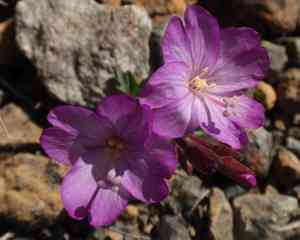
Siskiyou willowherb features thin, foliage-rich stalks and subtle, rosy blossoms. Trimming is best performed in late winter or early spring, prior to the emergence of new shoots. Remove any lifeless or compromised stems and reduce crowded sections to enhance air movement. This practice supports the plant's well-being and fosters abundant flowering. Refrain from severely cutting the primary stems to avert inhibited development. Consistent trimming can result in a more attractive plant and avert excessive density.
What Are the Benefits of Pruning Siskiyou Willowherb?
What Are the Benefits of Pruning Siskiyou Willowherb?
Siskiyou willowherb thrives with pruning, promoting robust growth and maintaining its form. Consistent trimming encourages healthy development, manages size, improves appearance, and directs the plant's energy towards strong growth, thereby boosting resistance to pests and diseases.
What Is the Best Time for Pruning Siskiyou Willowherb?
What Is the Best Time for Pruning Siskiyou Willowherb?
Trimming siskiyou willowherb in early spring and late winter is optimal as it coincides with the plant's dormant phase, just before new growth starts. During these periods, sap flow is reduced, minimizing stress and fostering vigorous new growth. Additionally, pruning before flowering ensures no potential flower buds are removed, leading to a more abundant bloom cycle.
What Tools Do I Need to Prune Siskiyou Willowherb?
Hand Pruners
Perfect for precise cuts on smaller branches and stems of siskiyou willowherb, offering better control and less damage.
Lopping Shears
Useful for cutting thicker branches that hand pruners cannot manage. Suitable for shaping the plant and removing diseased or dead wood.
Pruning Saw
Required for larger, more mature shrubs of siskiyou willowherb. Effective for cutting through thicker, woody stems too large for lopping shears.
Bypass Pruners
Recommended for making clean cuts on live, green wood, which aids in promoting healthy new growth in siskiyou willowherb.
Hedge Shears
Can be utilized for shaping and controlling the size of siskiyou willowherb, especially if it's part of a mixed border or formal garden.
How to Prune Siskiyou Willowherb
Identify
Thoroughly inspect siskiyou willowherb to locate all diseased and withered leaves.
Prepare tools
Sanitize pruning shears with rubbing alcohol to prevent disease transmission.
Cut diseased
Carefully remove any diseased leaves using the sterilized shears, cutting just below the affected area.
Cut withered
Remove withered leaves by cutting them at their base, where they connect to the stem, ensuring a clean cut.
Dispose properly
Discard all trimmed leaves away from siskiyou willowherb to prevent any potential disease from spreading back to the plant.
Common Pruning Mistakes with Siskiyou Willowherb
Over-pruning
Removing too many stems and leaves at once can severely stress siskiyou willowherb and hinder its growth and flowering potential.
Improper cutting technique
Using dull or unsuitable tools results in jagged cuts that can make siskiyou willowherb vulnerable to disease and pests.
Pruning at the wrong growth stage
Cutting back siskiyou willowherb when it is actively flowering or setting seeds disrupts its natural growth cycle, potentially leading to poor performance in the following season.
Neglecting disinfecting tools
Failing to clean and disinfect pruning tools can introduce pathogens to siskiyou willowherb, leading to infections and diseases.
Ignoring plant structure
Excessive cutting without considering siskiyou willowherb's natural shape and growth pattern can result in an unattractive and uneven plant structure.
Common Pruning Tips for Siskiyou Willowherb
Use sharp, clean tools
Always ensure your pruners and shears are sharp and sterilized before making any cuts to prevent infections and create clean wounds that heal quickly.
Remove dead or diseased wood first
Prioritize cutting away any dead, damaged, or diseased branches to promote the overall health of siskiyou willowherb, reducing the risk of spreading disease.
Make precise cuts
Cut just above a node or bud at a slight angle to encourage new growth and to prevent water from accumulating on the cut surface.
Foster an open structure
Thin out the interior branches to allow better air circulation and light penetration, which helps to prevent fungal diseases and encourages even growth throughout siskiyou willowherb.
Be mindful of plant size
When pruning, consider the mature size of siskiyou willowherb and avoid cutting back excessively which can hinder its natural form and blooming potential.
Regular maintenance
Prune siskiyou willowherb lightly and regularly rather than infrequently and heavily, ensuring that it maintains its health and shape over time.



