How to Propagate Siskiyou willowherb?
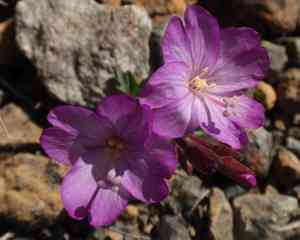
Siskiyou willowherb is a perennial plant native to the Siskiyou Mountains. For successful propagation, plant seeds in a soil blend that drains well and retains moisture. It is vital to ensure proper air movement and sufficient hydration without oversaturation. Gently press the seeds onto the soil's top layer and keep the humidity steady. Consistent inspection for pests and diseases is critical for robust development.
When Is the Optimal Time to Propagate Siskiyou Willowherb?
Propagation Method
Sowing
Propagation Period
Spring
What Equipment Is Utilized in Siskiyou Willowherb Propagation?
Seed Tray
Seed trays are crucial for initiating siskiyou willowherb seeds in a regulated setting. They offer a suitable framework for sowing and managing seeds, ensuring even distribution and ample room for root growth.
Seedling Heat Mat
Seedling heat mats maintain the soil at an ideal temperature for siskiyou willowherb seed germination, typically around 21°C (70°F). Consistent warmth promotes quicker and more uniform sprouting.
Humidity Dome
Humidity domes maintain elevated humidity levels and stable temperatures, both vital for the germination and initial development of siskiyou willowherb. They help prevent the soil from drying out too rapidly.
Fine Mist Sprayer
Fine mist sprayers deliver gentle watering to siskiyou willowherb seeds without dislodging them. Appropriate moisture levels are essential for seed germination and early seedling growth.
Seed Starting Mix
A sterile, well-draining seed starting mix provides the correct balance of nutrients and texture to support siskiyou willowherb seed germination and lower the chance of disease.
Plant Labels
Plant labels assist in tracking various plantings, which is important if you are propagating multiple batches of siskiyou willowherb. Accurate labeling ensures proper care and record-keeping.
Timing Device
A timing device, such as a timer for grow lights or heat mats, aids in creating a consistent environment for siskiyou willowherb seedlings, fostering healthy growth by maintaining regular light and temperature cycles.
How to Propagate Siskiyou Willowherb?
Propagation Difficulty
Easy
How to Nurture Your Newly Propagated Siskiyou Willowherb?
How to Nurture Your Newly Propagated Siskiyou Willowherb?
After transplanting, continue to provide consistent moisture to siskiyou willowherb, ensuring the soil remains damp but not waterlogged. Provide a location with full sun to partial shade. Apply a balanced, water-soluble fertilizer monthly during the growing season to support healthy growth. Mulch around the plants to help retain soil moisture and suppress weeds. Regularly check for pests and diseases, addressing any issues promptly with appropriate measures tailored for siskiyou willowherb.
Common Errors to Avoid When Propagating Siskiyou Willowherb
Poor Soil Choice
Utilizing soil that drains poorly or lacks nutrients can lead to root rot or stunted plant growth, impacting the propagation success of siskiyou willowherb.
Overwatering
Excessive watering can cause waterlogged soil, leading to root rot and ultimately the failure of the cuttings or seedlings to develop properly.
Incorrect Cutting Technique
Taking cuttings from the wrong part of the plant, or using dull tools, can damage the plant tissue and reduce the likelihood of successful rooting.
Lack of Light
Providing insufficient light can hinder photosynthesis, causing weak growth and poor establishment of new plants.
Ignoring Pest Control
Failing to manage pests and diseases can result in damaged plant tissues and reduced vigor, impeding successful propagation.
Tips For Propagating Siskiyou Willowherb
Use Well-Draining Soil
Select a soil mix that provides good drainage and contains organic material to ensure adequate root aeration and nutrient availability for siskiyou willowherb.
Moderate Watering
Water the plants consistently but avoid overwatering. Keep the soil moist but not soggy to promote healthy root growth.
Sharp and Clean Tools
Use sterilized, sharp tools to take cuttings. This minimizes damage to the plant and reduces the risk of disease transmission.
Adequate Lighting
Place the cuttings or seedlings in a location where they receive sufficient light, ideally indirect sunlight, to support photosynthesis and robust growth.
Pest Management
Regularly inspect the plant for pests and diseases. Use appropriate measures to control any issues early to ensure healthy development of siskiyou willowherb.



